
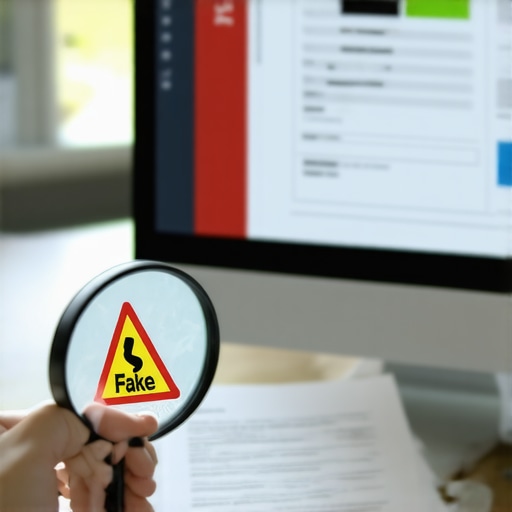
Why You Should Be Wary of Fake Ozempic Prescriptions in 2026
Let me be blunt: the surge in telehealth prescriptions for Ozempic this year is a game of chess played by amateurs and scammers. You might think that obtaining this popular weight-loss drug online is straightforward, but beneath the surface, a dangerous undercurrent flows. Fake prescription sites, shady clinics, and counterfeit drugs threaten to turn your weight loss journey into a nightmare. I argue that if you’re not vigilant, you risk more than just losing money—you could end up with counterfeit medication that harms your health.
In this piece, I will expose the five warning signs that your telehealth Ozempic prescription might be fake. Recognizing these red flags is crucial because, as I discussed in this guide, the market is flooded with illegitimate sources making it nearly impossible for the untrained eye to distinguish genuine from counterfeit. Think of the situation like a sinking ship—if you’re not alert to the leaks, you’ll go under.
The Market is Lying to You
First, let’s acknowledge the hype: everybody wants Ozempic for weight loss, and many are willing to bend the rules to get it. This creates an environment where fake prescriptions thrive. But not all online clinics are equal—some are outright scams. So, how do you spot the fakes? These warning signs are your lifeboats in this treacherous sea.
Warning Sign 1: Unbelievably Low Prices
Genuine Ozempic prescribed through reputable clinics costs a fair amount. If a site promises the medication at a fraction of the usual cost, be suspicious. As I noted in this article, price gouging or deep discounts are classic indicators of counterfeit drugs or illegitimate sources.
Warning Sign 2: Lack of Professional Oversight
When prescriptions are handed out without proper medical evaluation, red flags wave wildly. Legit clinics require a consultation—either virtual or in-person—to assess your health. If you’re tempted by sites that skip this step, you’re rolling the dice with your health. For insight, see this comprehensive guide.
Warning Sign 3: Poor Website Quality and Contact Transparency
Fake operators often hide behind poorly designed websites with broken links, vague contact info, or no physical address. Can you easily reach a licensed medical professional? If not, run the other way. Reliable providers prioritize transparency, as I emphasize in this article.
Warning Sign 4: No Clear Prescribing Protocol
Legitimate telehealth services follow strict guidelines—doctors review your medical history and monitor your progress. If a site promises Ozempic with minimal questions or review, that’s a red flag. Remember, drug safety in 2026 requires ongoing doctor oversight—see this detailed post.
Warning Sign 5: Counterfeit Packaging and Labels
Counterfeit drugs may look authentic but often have misspelled labels, unusual packaging, or inconsistent batch numbers. Never accept medication that isn’t in tamper-proof, sealed packaging. When in doubt, verify with official sources—online pharmacies or clinics listed in trusted directories.
In the end, the fight against fake Ozempic prescriptions is a matter of awareness. The landscape is riddled with hazards, but if you keep your wits about you, avoid these warning signs, and prioritize legitimate, doctor-supervised care, you will significantly lower your risk. Do not let the allure of quick fixes blind you to the real dangers lurking behind the screen. Your health isn’t a game—it’s your life.
The Evidence: How Fake Prescriptions Thrive Amid Regulatory Gaps
In 2026, the proliferation of counterfeit Ozempic prescriptions isn’t a coincidence; it’s a calculated consequence of regulatory loopholes. When authorities failed to close the online pharmacy gap last year, scammers saw their opening. These illicit operators often operate under the guise of legitimate clinics, knowing that the regulatory framework can’t keep pace with the digital tide. As a result, unregulated websites flood the market, promising miracle weight-loss results while secretly peddling counterfeit drugs. This situation directly correlates with the lack of stringent enforcement and oversight, allowing fraudsters to exploit vulnerable consumers with ease.
The Root Cause: Why Are Regulations Falling Short?
The core of this epidemic isn’t just the scammers’ ingenuity; it’s the systemic failure of regulatory agencies to adapt swiftly. Historically, new technologies—like telehealth—are met with a lag in policy response. This delay creates a vacuum—one filled by bad actors who see opportunity. The zero-sum game here is that pharmaceutical oversight hasn’t kept pace with online commerce. When the FDA and global counterparts delayed implementing stricter digital pharmacy controls, they inadvertently opened the floodgates. This negligence benefits not just scammers but also unlicensed clinics that cut corners, offering cheap, unverified prescriptions that lure desperate weight-loss seekers.
The Follow the Money: Who Gains From the Chaos?
When profits are at stake, nothing gets in the way—certainly not patient safety. The counterfeit drug trade in Ozempic is lucrative. Fake pill manufacturers and online black markets reap astonishing margins—those deep discounts attracting consumers aren’t accidental; they’re deliberate bait. These illicit sources often operate from regions where pharmaceutical regulations are lax or nonexistent, minimizing their costs and maximizing their gains. Meanwhile, some online clinics capitalize on this chaos by branding themselves as quick-fix providers, pocketing substantial fees for prescriptions that bypass necessary medical oversight. Their common denominator is profit—period. Every illegitimate sale chips away at the integrity of the legitimate medical system, creating a cycle where greed overrides patient well-being.
The Evidence of Deception: Why Consumers Are Vulnerable
Compounding the issue is the increasing sophistication of counterfeit packaging. Fake labels now mimic authentic branding so convincingly that even trained eyes can be duped. Yet, the absence of proper prescriptions, clear contact information, and transparent protocols remains a glaring warning sign. Consumers, often driven by desperation or misinformation, become unwitting pawns in this elaborate scheme. The allure of lower prices fuels their trust—trust that scammers manipulate with ease, knowing that many buyers don’t know what to look for. This dynamic underscores how systemic neglect, coupled with consumer naivety, creates a fertile ground for fraud to flourish.
Conclusion (Implicit)
In essence, the surge in fake Ozempic prescriptions isn’t merely a matter of rogue operators pulling strings behind the scenes; it reflects a broader failure to regulate, oversee, and enforce compliance in an increasingly digital world. While individual consumers bear the brunt, the real culpability lies with institutions that allowed these cracks to widen. The consequences are costly—either you pay with your health or your wallet, and in 2026, both are at risk.
The Trap
I understand why many believe that the primary issue with Ozempic prescriptions stems from consumers being naive or overly trusting of online sources. It’s easy to see why people think that caution is enough—after all, education and vigilance seem like simple solutions to a complex problem. Critics often argue that if individuals were more aware or skeptical about suspiciously cheap offers or poorly designed websites, the scam landscape would be considerably shrunk. This perspective emphasizes personal responsibility and slightly dismisses systemic failure.
Challenges to the Opposing View
While personal vigilance is undoubtedly important, this view overlooks the systemic and technological realities that make such scams remarkably sophisticated and enticing. Counterfeiters now craft websites that look almost indistinguishable from legitimate clinics, complete with fake licenses, professional patient portals, and convincing reviews. Simply advising consumers to be cautious assumes they possess specialized knowledge and resources they don’t realistically have, especially amidst targeted misinformation and digital deception. This shortsightedness ignores the scope of technological advancements that empower scammers and the regulatory gaps that allow their methods to flourish.
I used to believe that increasing awareness alone could stem the tide of fraud—until I delved into the latest mechanisms scammers use. They deploy deepfake websites, mimic hosting patterns of legitimate clinics, and exploit the lag in regulatory enforcement. These tactics trick even cautious users, revealing that individual vigilance is no longer sufficient to protect consumers in this environment.
The Wrong Question
Many focus their concern on raising individual awareness or policing online pharmacies, but the real question is whether our regulatory frameworks and technological defenses are robust enough to keep pace. The misconception is that education is the ultimate tool to combat fraud. While important, it neglects the larger picture: the need for systemic overhaul and technological safeguards to prevent the creation of convincing counterfeit sites in the first place.
It’s essential to challenge the narrative that scams are solely the fault of uninformed consumers. The epidemic of fake Ozempic prescriptions reveals a deeper failure—our healthcare and regulatory systems are not synchronized with the digital age’s demands. Without stronger enforcement, digital identity verification, and international cooperation, the scams will continue to evolve faster than our defenses.
Addressing the Oversight
Another misconception is that increasing penalties or chasing after scammers post hoc will solve the problem. This approach is outdated because it ignores the dynamic and highly adaptive nature of online fraud. Stopping a scammer today doesn’t prevent the next one from popping up tomorrow, especially when they operate from regions with lax laws and oversight. The real solution requires preventative technological infrastructure—such as blockchain verification of licensed clinics and AI-driven detection of counterfeit sites.
In my earlier years, I believed that stricter regulations and consumer warnings would suffice. But as fraud methods have grown more sophisticated, it became clear that our defenses must be equally innovative and proactive. Merely telling consumers to
The Point of No Return in the Ozempic Fake Prescription Epidemic
If we continue down this path unchecked, the consequences will cascade into a healthcare nightmare, threatening not only individual lives but the integrity of our entire medical system. The surge of counterfeit Ozempic prescriptions signifies a breach in our defenses—once this breach widens, recovery becomes exponentially harder. This is not merely about fake drugs; it’s about the erosion of trust in medical authorities, the rise of preventable health crises, and the undermining of regulatory frameworks designed to protect us. Right now, every ignored warning, every lax regulation, and every consumer complacency adds fuel to an unstoppable wildfire.
What are we waiting for?
Imagine a world where patients, desperate for quick results, unknowingly consume counterfeit medication that contains harmful substances. Skin infections, organ failure, or life-threatening allergic reactions become commonplace, all because we failed to act decisively. This scenario is no longer science fiction; it’s a looming reality if preventive measures falter. The longer we delay tightening regulations, verifying online pharmacies, and educating consumers, the faster this epidemic spirals beyond control. It’s akin to neglecting a small crack in a dam—what begins as a minor gap evolves into a catastrophic breach, flooding everything in its path.
The Slippery Slope and the Chain Reaction
Ignoring this crisis unleashes a domino effect that impacts every layer of healthcare. First, legitimate patients lose confidence in telehealth options, leading to increased demand for unverified, unsafe alternatives. Next, counterfeit drug producers capitalize on this mistrust, flooding the market further with substandard products. Hospitals and clinics then face an influx of adverse events tied to counterfeit medications, overwhelming already strained systems. Insurance costs soar, public health initiatives falter, and the fundamental trust between doctor and patient disintegrates. This chain reaction demonstrates that neglect today seeds a healthcare disaster tomorrow.
The Future if We Do Nothing
Without immediate action, the landscape will resemble a dystopian marketplace where authenticity is uncertain, and safety is a gamble. In five years, counterfeit Ozempic may be indistinguishable from genuine drugs—an invisible enemy lurking in every prescription. Patients will suffer avoidable health complications, increasing mortality rates and long-term disabilities. The credibility of digital healthcare initiatives will diminish, rendering telemedicine a risky gamble rather than a safe alternative. This deterioration of trust will stall innovation, hinder access, and deepen health disparities. The cost of inaction isn’t just monetary; it’s measured in suffering, loss of life, and the unraveling of public confidence in our healthcare system.
Are you willing to gamble your health on the allure of quick weight loss? The rise of counterfeit Ozempic prescriptions isn’t just a scam—it’s a signal that the entire system is crumbling. As I detailed in this guide, the gaps in regulation are a vast opening for fraud. The market’s chaos has turned into a minefield, where each fake pill can devastate your health and derail your progress.
This isn’t just about dodging scams; it’s about confronting a harsh reality: trust in a system that, in 2026, seems to be failing us at every turn. Fake prescriptions thrive because our regulatory oversight hasn’t kept pace. With websites mimicking legitimate clinics and deepfake digital identities, the line between real and counterfeit disappears. The question remains: how many more lives will this deception consume before we act?
Look at how scammers exploit the system—promising miracle results at a fraction of the cost, bypassing essential doctor oversight, and hiding behind untraceable websites. This connects to my argument in this article that vigilance goes hand-in-hand with regulation. If you’re not cautious, you’re likely to be the next victim of a counterfeit nightmare.
But the real challenge isn’t just recognizing the red flags. It’s understanding the broader picture: a regulatory framework so ill-equipped that it allows this chaos to flourish. With each unregulated website, with every counterfeit label slipping past verification, the foundation of medical trust erodes. We are witnessing a landscape where systemic neglect feeds the counterfeit machinery, making the danger more imminent than ever.
So, what is your move? Will you continue to chase cheap cures in a marketplace riddled with fraud? Or will you demand a safer, more accountable system? The choice isn’t merely about individual vigilance; it’s about collective action. Inspect your sources, question the transparency, and advocate for regulation that keeps pace with deception. The future of medical weight loss in 2026 depends on it.
Ignore this warning at your peril. The system is increasingly unrecognizable, and counterfeit Ozempic is just the start. Without decisive action now, we’re heading for a public health disaster. The time to challenge the status quo is before the illusion shatters and real harm is done. Will you be part of the change or a casualty of neglect? It’s a question only you can answer.