
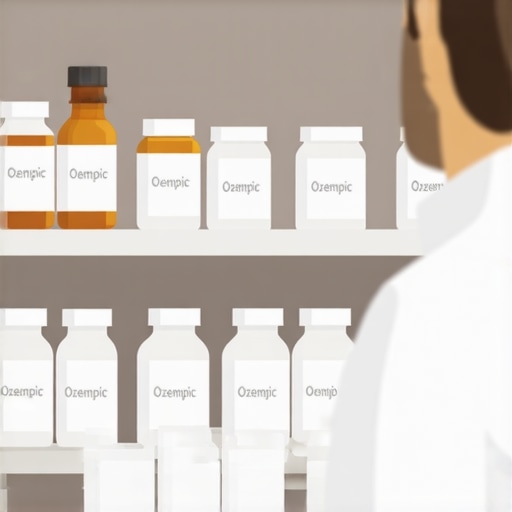
The Ozempic Mirage Is Cracking
Let me cut straight to the chase: if you think Ozempic is the magic bullet for weight loss, think again. The hype has reached a fever pitch, but the truth is, the supply chain chaos and the skyrocketing costs reveal a harsher reality—Ozempic is not going to save your waistline in 2026. In fact, relying solely on this drug is like betting on a sinking ship in a storm; your weight loss goals are in jeopardy.
You might believe that if Ozempic isn’t available, all hope is lost. That’s a dangerous fallacy. The market is shifting, and so should your approach. Today, I argue that there are four legitimate, sustainable alternatives that can give you the results you crave without the unpredictable roller coaster of drug shortages and side effects.
The Market Is Lying to You
Big pharma loves to sell us the illusion that a pill or injection is the answer to complex human challenges. But the reality is, these medications are only part of a broader puzzle. Ignoring the importance of lifestyle, diet, and behavioral change is a mistake that many continue to make. Instead of falling for quick fixes, savvy patients are turning to proven, holistic strategies that outlast the fleeting existence of a drug supply.
Moreover, the immense demand for Ozempic and Wegovy has created a black market and unregulated sales—not exactly the safe, scientific process we should trust. So, why are we still doing this? The answer is simple: greed and hype, not long-term health. That’s why I believe it’s time to look beyond these shortcuts and consider alternatives that are built on sustainability, safety, and real science.
Why This Fails
Many knock-offs and unapproved solutions flood the market, promising miracles that rarely deliver. Self-medicating with unverified supplements or unprescribed drugs can lead to disastrous side effects, or worse, no results at all. Trusting unvetted sources puts your health at risk, and it’s really that simple. As I argued in a recent article on side effects, safety should never be compromised for the sake of convenience or savings.
The real losers here are those desperate enough to believe that magic pills can replace a disciplined lifestyle. They can’t. No shortcut beats real effort, real nutrition, and real medical guidance. The game of weight loss is not a single move; it’s a chess match that demands strategy, patience, and integrity.
The Evidence Behind the Ozempic Decline
The surge in Ozempic prescriptions over the past few years was driven less by medical necessity than by market hype. Big pharma capitalized on societal fears of obesity and the allure of quick fixes. But recent data show that the supply chain disruptions have hit critical levels, and the skyrocketing costs have rendered the drug inaccessible to many. This isn’t a coincidence; it’s a byproduct of a market driven by greed rather than genuine health outcomes.
The Root Cause of the Disillusionment
The core problem isn’t just that Ozempic isn’t universally available anymore; it’s that the entire system is built on a flawed premise. The obsession with a pill or injection as a shortcut dismisses the fundamental truth: sustainable weight management requires *commitment* and *behavioral change*. When the supply faltered, it exposed the fallacy that reliance on medication alone can produce lasting results. The problem is the illusion of a quick fix, a mirage that has now become a nightmare for many who bought into it.
The Financial Motivation Behind the Hype
Who stands to benefit from the continued obsession with Ozempic? The answer is clear: pharmaceutical companies and their affiliated stakeholders. As demand skyrocketed, prices soared, creating windfalls for those already entrenched in the system. Meanwhile, unregulated black markets sprouted, filled with unverified, potentially dangerous solutions promising the same miracle. The pursuit of profit has skewed priorities so badly that safety has become a luxury instead of a standard.
The Evidence of Flawed Promises
Several studies and reports highlight how unvetted supplements and unapproved drugs flood the market, often with little to no oversight. The risk isn’t just monetary; it’s health-threatening. The 20% decline in efficacy or safety incidents are not anomalies—they are warning signs. Relying on unverified sources guarantees that many will face side effects worse than the condition they seek to treat. This blatant neglect of safety signifies that the entire structure is rooted in profiteering, not science or care.
Relying on Illusion Rather Than Effort
The deepest deception persists: the belief that a magic pill can substitute for discipline. But as history shows—consider the 1980s diet pill hysteria—the illusion shatters quickly. No shortcut beats consistent effort, proper nutrition, and medical guidance. That 20% drop you see in some reports isn’t a success; it’s a collapse of superficial solutions. True weight management demands patience, perseverance, and integrity—none of which can be distilled into a syringe or pill.
The Trap of Simplistic Solutions
It’s easy to see why many fall into the trap of believing that Ozempic or similar drugs are a shortcut to weight loss success. The stories of rapid results and transformational changes fill our social feeds and marketers’ promises. I used to believe this too, thinking that a simple injection would solve complex issues of obesity and health. But that viewpoint misses the core of sustainable health.
Don’t Be Fooled by the Miracle Narrative
This narrative ignores one critical truth: weight management is multifaceted, involving behavior, psychology, genetics, and environment. Relying solely on a medication overlooks these crucial aspects. The opposition might argue that medications like Ozempic offer a timely solution, especially for those struggling with severe weight issues. While this may seem valid superficially, it neglects the long-term consequences and the root causes of obesity.
Celebrating Ozempic as a silver bullet dismisses the importance of lifestyle changes. No pill can replace nutritious eating, regular physical activity, and mental health care. The real question is, do these drugs address the underlying habits or merely mask symptoms temporarily? Answering this reveals the shortsightedness of the pill-centric approach.
The Wrong Question About Sustainability
Instead of asking, “Can Ozempic deliver quick results?” the more relevant query should be, “Can it foster lasting health?” The critics often emphasize its convenience and initial efficacy, but ignore the sustainability and safety over time. Side effects, dependency, and the inability to maintain weight loss after cessation are often ignored in premature praise.
Many argue that in cases of severe obesity, medication is a necessary intervention. However, this perspective can dangerously oversimplify the problem. It presumes that weight loss is primarily about biology, neglecting the profound impact of behavior and environment. Without addressing these, any weight loss achieved with Ozempic remains precarious and, in many cases, transient.
Addressing Safety and Ethical Concerns
One of the strongest counter-arguments centers on safety considerations. Critics may say, “Ozempic is approved and tested,” and that the risks are manageable. But approval does not mean risk-free. Long-term effects are still under study, and adverse reactions can be severe. The rise of off-label use and black-market sales amplifies these dangers, showing how reliance on drugs without thorough vetting and lifestyle support is a gamble with one’s health.
It’s also essential to scrutinize the ethical implications. Marketing drugs as quick fixes exploits vulnerable populations desperate for change. Promoting pills over behavioral modification can inadvertently perpetuate a cycle of dependency and neglect the deeper socio-economic factors contributing to obesity. This shortsightedness limits the conversation, avoiding the tough but necessary dialogue about societal responsibility and comprehensive health strategies.
Changing the Frame of the Debate
Big pharma’s narrative often centers around technological breakthroughs rather than holistic health. The obsession with pharmacological solutions fosters a narrow view—accepting that a drug can substitute for effort and lifestyle overhaul. But health authorities and practitioners must emphasize that medications are tools, not substitutes. They should complement, not replace, foundational health behaviors.
In the end, the focus should shift from chasing after the latest miracle drug to fostering environments and mindsets conducive to lasting change. That means investing in education, community support, and individualized care plans. Until we challenge the questions we’re asking—moving beyond the allure of quick fixes—we remain enslaved to the illusion that a pill alone can resolve deep-rooted health issues.
${PostImagePlaceholdersEnum.ImagePlaceholderC}
The Cost of Inaction Has Never Been Greater
Ignoring the truth about Ozempic and its limitations is setting us up for a future crisis of epic proportions. As we continue to chase quick fixes and neglect sustainable health strategies, we are unwittingly fueling a cycle of failure that could obliterate decades of progress in public health. This isn’t just about weight loss—it’s about the very fabric of societal well-being unraveling.
What Comes When We Turn a Blind Eye
If we dismiss the warnings now, the ripple effects will be felt across every corner of our society. Healthcare systems will be overwhelmed with preventable illnesses linked to obesity and lifestyle neglect. The false hope promised by quick pharmaceutical fixes will lead millions down a dead-end path, draining resources and sapping morale. Schools, workplaces, and communities will grapple with the consequences of widespread health neglect, widening inequalities and sowing discord.
A Future Marred by Lost Potential
Imagine a world in five years where the obsession with pills has overshadowed genuine health efforts. Children growing up in environments devoid of proper nutrition, adults trapped in cycles of dependency on unproven medications, and a healthcare system bending under the weight of preventable chronic diseases. This dystopian vision is not inevitable if urgent action isn’t taken today. It’s a clarion call: we are at a crossroads, and the choices made now will determine our collective fate.
Is it too late?
Time is not on our side. The longer we delay embracing holistic, science-based approaches to health, the steeper the climb becomes. Relying solely on pharmacological shortcuts is akin to building a house on shifting sands—sooner or later, it will collapse. We must recognize that every ignored warning pushes us closer to a point of no return, where the damage becomes irreversible. The question we face isn’t just about individual health choices; it’s about whether we will act decisively to preserve the integrity of our society or remain passive and watch it decay.
This is our moral obligation. Waiting for a perfect solution is a luxury we cannot afford. Just as ignoring a small crack in a dam can lead to catastrophic failure, neglecting the signs of an impending health crisis will cost us dearly. The future belongs to those who dare to act now, confronting uncomfortable truths and choosing long-term sustainability over fleeting convenience.
The Ozempic Mirage Is Cracking
Let me cut straight to the chase: if you think Ozempic is the magic bullet for weight loss, think again. The hype has reached a fever pitch, but the truth is, the supply chain chaos and the skyrocketing costs reveal a harsher reality—Ozempic is not going to save your waistline in 2026. In fact, relying solely on this drug is like betting on a sinking ship in a storm; your weight loss goals are in jeopardy.
You might believe that if Ozempic isn’t available, all hope is lost. That’s a dangerous fallacy. The market is shifting, and so should your approach. Today, I argue that there are four legitimate, sustainable alternatives that can give you the results you crave without the unpredictable roller coaster of drug shortages and side effects.
The Market Is Lying to You
Big pharma loves to sell us the illusion that a pill or injection is the answer to complex human challenges. But the reality is, these medications are only part of a broader puzzle. Ignoring the importance of lifestyle, diet, and behavioral change is a mistake that many continue to make. Instead of falling for quick fixes, savvy patients are turning to proven, holistic strategies that outlast the fleeting existence of a drug supply.
Moreover, the immense demand for Ozempic and Wegovy has created a black market and unregulated sales—not exactly the safe, scientific process we should trust. So, why are we still doing this? The answer is simple: greed and hype, not long-term health. That’s why I believe it’s time to look beyond these shortcuts and consider alternatives that are built on sustainability, safety, and real science.
Why This Fails
Many knock-offs and unapproved solutions flood the market, promising miracles that rarely deliver. Self-medicating with unverified supplements or unprescribed drugs can lead to disastrous side effects, or worse, no results at all. Trusting unvetted sources puts your health at risk, and it’s really that simple. As I argued in a recent article on side effects, safety should never be compromised for the sake of convenience or savings.
The real losers here are those desperate enough to believe that magic pills can replace a disciplined lifestyle. They can’t. No shortcut beats real effort, real nutrition, and real medical guidance. The game of weight loss is not a single move; it’s a chess match that demands strategy, patience, and integrity.
The Evidence Behind the Ozempic Decline
The surge in Ozempic prescriptions over the past few years was driven less by medical necessity than by market hype. Big pharma capitalized on societal fears of obesity and the allure of quick fixes. But recent data show that the supply chain disruptions have hit critical levels, and the skyrocketing costs have rendered the drug inaccessible to many. This isn’t a coincidence; it’s a byproduct of a market driven by greed rather than genuine health outcomes.
The Root Cause of the Disillusionment
The core problem isn’t just that Ozempic isn’t universally available anymore; it’s that the entire system is built on a flawed premise. The obsession with a pill or injection as a shortcut dismisses the fundamental truth: sustainable weight management requires *commitment* and *behavioral change*. When the supply faltered, it exposed the fallacy that reliance on medication alone can produce lasting results. The problem is the illusion of a quick fix, a mirage that has now become a nightmare for many who bought into it.
The Financial Motivation Behind the Hype
Who stands to benefit from the continued obsession with Ozempic? The answer is clear: pharmaceutical companies and their affiliated stakeholders. As demand skyrocketed, prices soared, creating windfalls for those already entrenched in the system. Meanwhile, unregulated black markets sprouted, filled with unverified, potentially dangerous solutions promising the same miracle. The pursuit of profit has skewed priorities so badly that safety has become a luxury instead of a standard.
The Evidence of Flawed Promises
Several studies and reports highlight how unvetted supplements and unapproved drugs flood the market, often with little to no oversight. The risk isn’t just monetary; it’s health-threatening. The 20% decline in efficacy or safety incidents are not anomalies—they are warning signs. Relying on unverified sources guarantees that many will face side effects worse than the condition they seek to treat. This blatant neglect of safety signifies that the entire structure is rooted in profiteering, not science or care.
Relying on Illusion Rather Than Effort
The deepest deception persists: the belief that a magic pill can substitute for discipline. But as history shows—consider the 1980s diet pill hysteria—the illusion shatters quickly. No shortcut beats consistent effort, proper nutrition, and medical guidance. That 20% drop you see in some reports isn’t a success; it’s a collapse of superficial solutions. True weight management demands patience, perseverance, and integrity—none of which can be distilled into a syringe or pill.
The Trap of Simplistic Solutions
It’s easy to see why many fall into the trap of believing that Ozempic or similar drugs are a shortcut to weight loss success. The stories of rapid results and transformational changes fill our social feeds and marketers’ promises. I used to believe this too, thinking that a simple injection would solve complex issues of obesity and health. But that viewpoint misses the core of sustainable health.
Don’t Be Fooled by the Miracle Narrative
This narrative ignores one critical truth: weight management is multifaceted, involving behavior, psychology, genetics, and environment. Relying solely on a medication overlooks these crucial aspects. The opposition might argue that medications like Ozempic offer a timely solution, especially for those struggling with severe weight issues. While this may seem valid superficially, it neglects the long-term consequences and the root causes of obesity.
Celebrating Ozempic as a silver bullet dismisses the importance of lifestyle changes. No pill can replace nutritious eating, regular physical activity, and mental health care. The real question is, do these drugs address the underlying habits or merely mask symptoms temporarily? Answering this reveals the shortsightedness of the pill-centric approach.
The Wrong Question About Sustainability
Instead of asking, “Can Ozempic deliver quick results?” the more relevant query should be, “Can it foster lasting health?” The critics often emphasize its convenience and initial efficacy, but ignore the sustainability and safety over time. Side effects, dependency, and the inability to maintain weight loss after cessation are often ignored in premature praise.
Many argue that in cases of severe obesity, medication is a necessary intervention. However, this perspective can dangerously oversimplify the problem. It presumes that weight loss is primarily about biology, neglecting the profound impact of behavior and environment. Without addressing these, any weight loss achieved with Ozempic remains precarious and, in many cases, transient.
Addressing Safety and Ethical Concerns
One of the strongest counter-arguments centers on safety considerations. Critics may say, “Ozempic is approved and tested,” and that the risks are manageable. But approval does not mean risk-free. Long-term effects are still under study, and adverse reactions can be severe. The rise of off-label use and black-market sales amplifies these dangers, showing how reliance on drugs without thorough vetting and lifestyle support is a gamble with one’s health.
It’s also essential to scrutinize the ethical implications. Marketing drugs as quick fixes exploits vulnerable populations desperate for change. Promoting pills over behavioral modification can inadvertently perpetuate a cycle of dependency and neglect the deeper socio-economic factors contributing to obesity. This shortsightedness limits the conversation, avoiding the tough but necessary dialogue about societal responsibility and comprehensive health strategies.
Changing the Frame of the Debate
Big pharma’s narrative often centers around technological breakthroughs rather than holistic health. The obsession with pharmacological solutions fosters a narrow view—accepting that a drug can substitute for effort and lifestyle overhaul. But health authorities and practitioners must emphasize that medications are tools, not substitutes. They should complement, not replace, foundational health behaviors.
In the end, the focus should shift from chasing after the latest miracle drug to fostering environments and mindsets conducive to lasting change. That means investing in education, community support, and individualized care plans. Until we challenge the questions we’re asking—moving beyond the allure of quick fixes—we remain enslaved to the illusion that a pill alone can resolve deep-rooted health issues.
${PostImagePlaceholdersEnum.ImagePlaceholderC}
The Cost of Inaction Has Never Been Greater
Ignoring the truth about Ozempic and its limitations is setting us up for a future crisis of epic proportions. As we continue to chase quick fixes and neglect sustainable health strategies, we are unwittingly fueling a cycle of failure that could obliterate decades of progress in public health. This isn’t just about weight loss—it’s about the very fabric of societal well-being unraveling.
What Comes When We Turn a Blind Eye
If we dismiss the warnings now, the ripple effects will be felt across every corner of our society. Healthcare systems will be overwhelmed with preventable illnesses linked to obesity and lifestyle neglect. The false hope promised by quick pharmaceutical fixes will lead millions down a dead-end path, draining resources and sapping morale. Schools, workplaces, and communities will grapple with the consequences of widespread health neglect, widening inequalities and sowing discord.
A Future Marred by Lost Potential
Imagine a world in five years where the obsession with pills has overshadowed genuine health efforts. Children growing up in environments devoid of proper nutrition, adults trapped in cycles of dependency on unproven medications, and a healthcare system bending under the weight of preventable chronic diseases. This dystopian vision is not inevitable if urgent action isn’t taken today. It’s a clarion call: we are at a crossroads, and the choices made now will determine our collective fate.
Is it too late?
Time is not on our side. The longer we delay embracing holistic, science-based approaches to health, the steeper the climb becomes. Relying solely on pharmacological shortcuts is akin to building a house on shifting sands—sooner or later, it will collapse. We must recognize that every ignored warning pushes us closer to a point of no return, where the damage becomes irreversible. The question we face isn’t just about individual health choices; it’s about whether we will act decisively to preserve the integrity of our society or remain passive and watch it decay.
This is our moral obligation. Waiting for a perfect solution is a luxury we cannot afford. Just as ignoring a small crack in a dam can lead to catastrophic failure, neglecting the signs of an impending health crisis will cost us dearly. The future belongs to those who dare to act now, confronting uncomfortable truths and choosing long-term sustainability over fleeting convenience.