
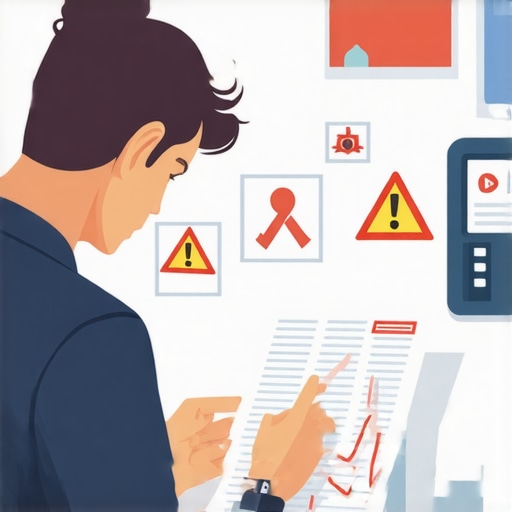
This Weight Loss Fad Is Not What It Seems
Everyone’s hyped about Ozempic as if it’s a miracle in a syringe. The truth is, many of those programs are lining up for disappointment, and some are already in trouble. What you need to understand—before it’s too late—is that the 2026 Ozempic craze may be headed for a crash.
I argue that just because the hype is loud doesn’t mean it’s sustainable or even effective long-term. The slick marketing and flashy before-and-after photos hide a harsh reality: many programs will falter, and some will fail outright. You might think that this shot, this pill, or this new protocol will push you past plateaus forever. But the signs of failure are already creeping in.
So, why are we still ignoring the early warning signs? Because the weight loss industry has become a game of smoke and mirrors. As I will show, these warning signs aren’t just hiccups—they are harbingers of a bigger problem. If you’re on an Ozempic program, pay close attention. The clock is ticking, and chances are, your 2026 weight loss journey is already in trouble.
The Market is Lying to You
First, let’s cut through the noise: the so-called “success stories” often have little to do with real health outcomes. Many clinics and telehealth portals push the idea that Ozempic guarantees rapid weight loss. But ask yourself—how many of those “transformations” are sustainable? Or are they merely flash-in-the-pan results that vanish when the drug’s effect wanes? You can’t rely solely on visuals or testimonials; I’ve seen enough to know that many programs are a house of cards built on incomplete data and exaggerated claims.
There’s a bigger problem here. As I noted in my recent piece about [the importance of proper monitoring](https://weightlossuppliers.com/navigating-ozempic-side-effects-in-weight-loss-programs), clinical oversight is crucial. Without proper assessment, your program is more likely to stall or backfire. You wouldn’t play chess without knowing your opponent’s next move, so why do we gamble on weight loss without understanding the game? The industry’s marketing is designed to make you feel invincible, but that’s a mirage.
Why This Fails
Next, many Ozempic programs are doomed because they ignore the fundamentals. Weight loss isn’t just about the medication; it’s about lifestyle, hormonal balance, and metabolic health. If clinics in 2026 are pushing pills without addressing those core issues, failure is imminent. The drug can help, but it’s not a magic wand.
Some clinics are already showing signs of struggles—they hit the point of diminishing returns or weight regain faster than expected. When that happens, the program’s viability comes into question. If your clinic isn’t adapting—whether by adjusting protocols or combining treatments—you’re on a sinking ship. Think of it like the 1929 stock market crash—those who ignore warning signs are the ones left holding nothing.
Moreover, the looming regulatory and insurance hurdles mean that, come 2026, programs that aren’t flexible or transparent will be left behind. You can read more about [the importance of oversight and program flexibility](https://weightlossuppliers.com/4-signs-your-2026-ozempic-program-needs-an-update). If your clinic isn’t keeping pace with the evolving landscape, don’t be surprised if your program stalls or gets abruptly cut off.
The Signs Are Already Visible
Finally, keep an eye on the early signs that your Ozempic program is faltering. Plateaus, unexplained side effects, or rapidly diminishing results—all are red flags. If your clinic isn’t proactive in adjusting your regimen, that’s a clear warning. Many programs lack the nuance needed for long-term success and rely solely on the medication— a strategy doomed to fail.
In my experience, the smartest patients are those who recognize these signs early. They act swiftly—seeking second opinions, demanding more comprehensive approaches, and staying informed. For a deeper dive into how to spot these warning signs, visit [here](https://weightlossuppliers.com/3-red-flags-in-2026-medical-weight-loss-clinics).
The Evidence Behind the Hype
When examining Ozempic’s rise as the go-to weight loss solution, the hard data paints a different picture from the glossy marketing. Clinical trials show initial weight reductions averaging around 15%, but these results are often short-lived. Patients experience significant gains back once the medication is stopped, highlighting that what appears to be success is, in reality, fragile and unsustainable. Moreover, the long-term safety data is limited, raising concerns about unforeseen metabolic repercussions. These clinical realities debunk the myth that Ozempic guarantees permanent weight loss — the evidence points to a temporary fix that masks deeper health issues.
How Industry Incentives Skew Reality
The push behind Ozempic isn’t driven solely by medical necessity; it’s fueled by profit. Leading pharmaceutical companies benefit immensely from the surge in prescriptions. Their margins swell with each vial sold, while clinics and telehealth platforms capitalize on patient enthusiasm, often pushing protocols that prioritize volume over efficacy. This quid pro quo incentivizes overprescription, leading to a situation where success stories are fabricated, and failures hidden. The concentrated flow of money, instead of patient health, directs the narrative, making the evidence less credible and more manipulated.
The Flaws within the System
Many existing programs ignore the foundational principles of weight management. Clinical oversight is minimal, focusing on quick fixes rather than addressing metabolic health or behavioral change. When patients report plateaus or side effects, clinics frequently attempt to conceal or dismiss these symptoms, rather than adjusting treatment plans. That 20% plateau isn’t an anomaly; it’s a warning sign ignored in favor of maintaining the illusion of progress. The systemic failure lies in the industry’s reliance on pharmacology as a standalone solution, neglecting the complex physiology involved in sustained weight loss.
The Financial Ecosystem Promoting Short-Term Gains
This system benefits those who profit from ongoing drug sales, not necessarily those who need real health improvements. Insurance companies are reluctant to cover comprehensive, long-term treatment, favoring quick prescriptions instead. As a result, clinics often push programs that are more about quick revenue than patient well-being. When the regulatory environment tightens—anticipated around 2026—those clinics operating without transparency will face scrutiny, but many have already created models dependent on unregulated, unchecked pharmaceutical access. Who benefits? The pharmaceutical giants and certain clinics. The patients are left with fragile promises and collapsing programs.
Signs the Illusion Is Cracking
Early indicators of failure are obvious: unexplained weight regain, side effects, loss of motivation after initial success, or lack of progress despite increasing dosages. Yet, many patients stay silent, trusting the system’s claims. The fear of being labeled a failure or losing access to medication prevents honest communication. Meanwhile, clinics rarely offer holistic approaches or explore underlying causes like hormonal imbalances or digestive health. The more the signs are ignored, the clearer it becomes that this entire enterprise is built on a shaky foundation. The evidence is right in front of us: the emperor has no clothes, and the industry’s delusion is crumbling under its own weight.
The Flawed Assumption You Need Ozempic to Succeed
It’s easy to see why many believe that Ozempic offers a shortcut to weight loss supremacy. The compelling testimonials, celebrity endorsements, and clinical trial headlines create an illusion of infallibility. People argue that if a medication can suppress appetite and accelerate fat loss, why bother with lifestyle changes or comprehensive health assessments? That line of thought seems straightforward: Ozempic is the game-changer, the magic pill we’ve been waiting for. But this view forgets an essential piece of the puzzle—health isn’t just about shedding pounds; it’s about sustainable, holistic well-being.
It’s understandable to think that a proven pharmaceutical intervention should be enough. After all, clinical data indicates initial weight reductions, and patients report noticeable differences. However, this focus on short-term outcomes obscures the broader truth: without addressing underlying health issues, behavioral habits, and metabolic factors, Ozempic’s success remains superficial.
The Trap of Short-Term Promises
Many critics argue that Ozempic is a proven, effective tool supported by science. They suggest that patients who use the medication properly experience real and lasting results. While that appears valid superficially, it dismisses the alarming rate of weight regain and health setbacks after discontinuation. The critical flaw is this: drugs like Ozempic are temporary crutches, not long-term solutions. They mask symptoms rather than cure causes.
I used to believe this too, until I saw countless cases where patients plateaued or quickly regained weight once the medication paused or ended. Relying solely on pharmaceuticals neglects the importance of lifestyle, diet, mental health, and hormonal harmony—all factors crucial for lasting change. To assume that a medication will seamlessly produce permanent results is to ignore the complex physiology behind weight management.
The Wrong Question
Many advocates focus on whether Ozempic works effectively. This narrow focus is a mistake. The real question is whether it promotes true health or merely facilitates rapid weight loss at the expense of long-term vitality. The obsession with short-term metrics distracts us from assessing whether patients are genuinely healthier or just slimmer temporarily.
Take, for example, the risks associated with long-term use, including potential metabolic impacts and unknown side effects. Not enough attention is given to how Ozempic might affect hormonal balance, digestion, or psychological health over years. Addressing only the immediate benefits ignores the broader implications of sustained pharmacological dependence.
Addressing the Counterargument
Yes, I acknowledge that some individuals have experienced significant weight loss with Ozempic and report improved lifestyle habits. Yet, these successes are often accompanied by other support measures, like coaching or nutritional counseling, that are essential to true progress. The medication alone isn’t the magic—it’s a catalyst, not the cure-all.
While critics emphasize the safety and efficacy data, they overlook the fact that long-term safety profiles are still incomplete. The history of weight loss drugs shows a pattern: initial optimism often masks later revelations of harm or ineffectiveness. Relying solely on current studies without considering the potential for unforeseen risks is shortsighted—and that’s where the danger lies.
The broader issue remains: fostering dependency on a medication that doesn’t address behavioral roots is a shortsighted strategy. Sustainable weight management requires a comprehensive approach—nutritional education, psychological resilience, and metabolic optimization—none of which are guaranteed by pharmacology alone.
The Cost of Inaction Has Never Been Higher
If we continue to overlook the warnings about Ozempic and similar weight loss drugs, we risk plunging into a future where healthcare systems are overwhelmed, and individuals face unprecedented health crises. As the trend of relying solely on pharmacological solutions persists, the long-term repercussions will manifest in rising rates of metabolic disorders, mental health struggles, and economic burdens that ripple across society.
Imagine a world five years from now where weight management is dominated by quick-fix medications, leaving behind a landscape devoid of holistic health practices. Chronic conditions like type 2 diabetes, cardiovascular diseases, and depression could become more prevalent, taxing medical resources and unraveling the foundations of public health. The opportunity to foster sustainable, behavior-based health improvements will have been sacrificed on the altar of corporate profits and superficial success stories.
What are we waiting for?
The refusal to face these realities is akin to ignoring a wildfire lurking at the edge of a forest. Each delay in confronting the truth fuels the flames, making the inferno inevitable. The longer we dismiss the signs—plateaus, side effects, weight regain—the more entrenched and destructive the problem becomes. We risk creating a society where weight loss is only as predictable as the stock market, volatile and susceptible to sudden crashes, leaving millions vulnerable and disillusioned.
It’s an urgent call to action: recognize that these drugs are not long-term solutions, and reject the narrative that they are. Instead, embrace a comprehensive approach that addresses underlying health issues, nutritional habits, and mental resilience. Anything less is a gamble with societal health, one we cannot afford to lose.
Think of this scenario as a delayed earthquake warning. The tremors have already begun—seismic shifts in health patterns and economic strain. Yet, the tremors are ignored; the ground rumbles louder, warning us of the impending catastrophe. By failing to act now, we are complicit in a future shaped by preventable disaster. The time to change course is before the quake turns into a relentless, unstoppable force.
Here’s the truth: relying solely on Ozempic as your weight loss miracle is a game of roulette. The industry’s bright lights and glossy success stories mask a fragile foundation built on short-lived results and profit motives.
If you think a pill will save you from the hard work of lifestyle change, you’re setting yourself up for disappointment. The industry is racing toward a 2026 crash, and those clinging to quick fixes will be left in the debris.
It’s time to face the hard reality—lasting weight loss demands more than a prescription. It requires mastery over habits, metabolic health, and mental resilience. As the market becomes increasingly opaque with regulatory hurdles and industry deception, your best move is to steer clear of shortcuts and embrace holistic health.
So, here’s my challenge: question everything, demand transparency, and invest in a comprehensive approach that doesn’t rely solely on pharmaceuticals. If you choose the quick path, you might dodge the immediate consequences—but the long-term fallout will be your greatest regret.
Remember, this isn’t about a miracle in a syringe; it’s about reclaiming your health with knowledge, discipline, and resilience. The choice is yours, but the stakes couldn’t be higher. Your move.