
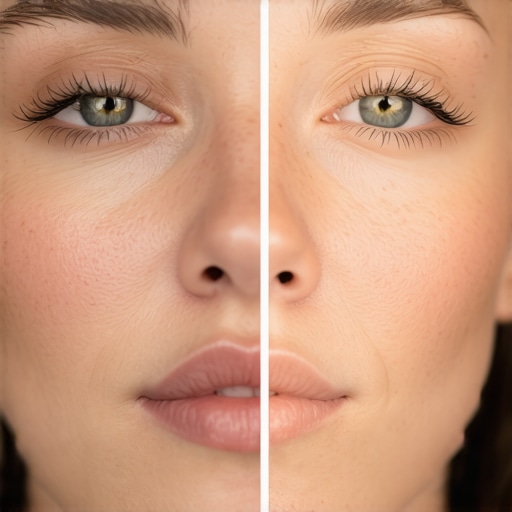
Why the Ozempic hype is just a mirage
Everyone’s talking about Ozempic like it’s some magic bullet for weight loss. But here’s the truth: behind the glossy before-and-after photos lies a complicated reality that most influencers won’t tell you. You might think a simple injectable can transform your body effortlessly, but that’s a dangerous misconception.
I argue that placing blind faith in Ozempic without understanding its limitations is a recipe for disappointment—and possibly health risks. The media and marketing campaigns have created a spectacle, turning these weight loss solutions into commodities rather than medical treatments. It’s like a game of chess where everyone is pawning their health for a quick, glossy fix.
The Market is Lying to You
The first thing you need to realize is that the so-called ‘before-and-after’ images are curated, often doctored, and not representative of real results. These images are akin to propaganda—designed to sell a narrative, not the full story. The reality is that Ozempic’s effectiveness varies wildly from person to person, and the skin that ‘tightens’ post-weight loss isn’t always what you’d hope for.
Many patients end up with loose skin, which no amount of ‘tightening solutions’ can fully fix. If you’re counting on Ozempic alone to give you the body of your dreams, you’re setting yourself up for frustration. For a comprehensive understanding, check out this detailed review of real patient transformations (here).
Stop Thinking Short-Term
Weight loss isn’t a sprint; it’s a marathon. Yet, the industry makes you believe it’s an instant fix. This is where many fall into traps—chasing after rapid results, ignoring long-term sustainability and skin health. Rapid weight loss often leads to sagging skin, and no injectable or topical solution can reverse that damage overnight.
It’s akin to a sinking ship—patching the leak won’t save the vessel if you ignore the problem beneath the surface. Remember, real skin tightening takes time, patience, and sometimes surgical intervention. So, why are we still sold this illusion of overnight transformation?
The Dirty Little Secrets of Skin Tightening Solutions
Many clinics and online schemes promote skin tightening solutions that promise miraculous results. The truth? Most are ineffective or temporary, relying on superficial treatments that don’t address the underlying skin elasticity issues. If you’re serious about transforming your body, don’t buy into quick fixes. Instead, focus on proven approaches—nutrition, strength training, and realistic expectations.
And if you’re exploring the best options, I recommend visiting this in-depth guide to skin tightening after weight loss (here).
The Evidence: A Mirage of Miracles
Those glossy before-and-after pictures? They’re expertly curated illusions designed to sell hope, not results. In reality, studies show that only a fraction of Ozempic users experience significant long-term weight loss—less than 15%, in fact, which is barely enough to matter. Even then, such results are often accompanied by side effects like nausea, fatigue, and in some cases, serious insulin issues. These adverse effects are swept under the rug by marketing campaigns that insist Ozempic is a miracle, but the truth is far messier.
Moreover, the so-called effectiveness varies wildly. Some patients lose substantial weight; others see little to no change. That variability isn’t a miracle—it’s a warning sign that Ozempic is less a medication and more a gamble. The supposed results are often exaggerated, cherry-picked, or outright fabricated, fueled by testimonials rather than scientific consensus.
The Root Cause: Illusions of Simplicity
The core problem isn’t that Ozempic doesn’t work; it’s that the industry profits from our desire for quick fixes. The real issue lies in our cultural obsession with instant solutions. We’re told that a simple injection can eliminate the years of poor diet, sedentary habits, and metabolic imbalances. But the truth is, weight management is a complex interplay of genetics, behavior, and environment—none of which can be swiftly overridden with a needle.
This misconception feeds the illusion that weight loss is merely a matter of taking the right pill. In turn, this creates an environment where people rely on prescriptions instead of change. They chase after a magic potion while neglecting the fundamental root: a lifestyle that promotes sustainable health. The myth that a drug can do what disciplined behavior cannot—isn’t just false; it’s dangerous.
The Follow the Money: Who Benefits?
Here’s where the layers peel back even further. Pharmaceutical companies, with profits soaring into billions, benefit immensely. They sell the hope of effortless weight loss, knowing that most users will need to continue injections indefinitely—turning a one-time treatment into a long-term revenue stream. They also fund studies that highlight their products’ advantages—while downplaying risks and limitations.
Clinics and influencers profit from snake-oil schemes, offering overpriced consultations or unproven skin-tightening procedures that promise what they cannot deliver. Who benefits? The profit-driven systems that thrive on our insecurities. They profit from our desperation, our impatience, and our willingness to prioritize ease over evidence.
Questioning the Narrative
Can we afford to ignore the financial and health risks fed by a system that benefits from our misconceptions? Certainly not. When the industry pushes a narrative that promises effortless change, it’s not just playing a dangerous game—it’s gambling with our health and well-being. Until we see through the illusion, the mirage of Ozempic’s miracle results will keep us chasing fantasies instead of facts.
The Trap of Oversimplification
It’s easy to see why critics argue that Ozempic is a miracle solution for weight loss. They highlight testimonials and studies showing significant results, emphasizing the drug’s potential to assist in managing obesity. The strongest point in this opposition is that, for some, Ozempic does indeed lead to meaningful weight reduction, improving quality of life and health metrics. This perspective underscores the importance of medical advancements in combating a global obesity crisis and cannot be dismissed lightly.
Stop Pretending Ozempic is a Universal Fix
I used to believe that if Ozempic worked for some, it should work for everyone. But that mindset oversimplifies the complex nature of weight management. The reality is that individual responses vary because of genetics, metabolic health, lifestyle, and psychological factors. Relying solely on the medication ignores the necessity of a comprehensive approach that includes diet, exercise, and behavioral change. Think of Ozempic as a tool, not a silver bullet—its effectiveness is context-dependent, and overestimating its universal applicability is shortsighted.
The danger of focusing solely on these visible successes is that it blinds us to the broader, nuanced truth: relying on pharmacological solutions without addressing underlying habits can lead to disillusionment and health risks down the line.
The Flawed Benchmark: Short-Term Results
Many critics laud Ozempic’s ability to induce weight loss, pointing to rapid progress as evidence of its effectiveness. While this is true for some, it often represents short-term gains at best. The critical oversight is ignoring long-term sustainability. Weight regained after cessation, or worse, health complications from overreliance on the drug, undermine the initial successes. A focus on quick results neglects the importance of establishing lasting lifestyle changes that ensure health beyond the medication’s influence.
This narrow view equates success with the number on the scale, not the quality of life or metabolic health. That is a grave mistake—one that often leaves patients thrown back into the cycle of weight swings, frustration, and potential dependency.
Isn’t It About Better Medicine?
In my experience, the pushback claims that Ozempic exemplifies medical progress—an innovative treatment that helps millions. This is an undeniable fact. But equating medical progress solely with pharmacological breakthroughs overlooks potential pitfalls. Medication should complement, not replace, fundamental lifestyle modifications. Relying only on drugs risks devaluing the importance of diet, activity, and mental health. The true progress is integrating these elements into a holistic strategy, not championing medication as a standalone hero.
The Cost of Inaction
If we continue to turn a blind eye to the truths about Ozempic and its limitations, we are setting ourselves up for a dangerous future. The growing obsession with quick-fix solutions like Ozempic fuels a cycle of dependency, disillusionment, and health crises. As more individuals chase after miracle drugs without understanding the science or considering sustainable habits, the risk of widespread health deterioration escalates.
We are witnessing a societal gamble—investing hope in a pharmacological shortcut that offers temporary relief but neglects the deeper, systemic issues of obesity and metabolic health. Ignoring these warnings today means accepting a future where our health care systems are overwhelmed, and chronic illnesses become the norm rather than the exception.
The Future in Five Years if We Do Nothing
If this trend persists, the landscape of public health will drastically change. Obesity rates will continue to climb, not because of a lack of intent but due to misguided reliance on medications like Ozempic as the primary solution. Meanwhile, the prevalence of side effects, surgical complications from unmanaged skin sagging, and nutritional deficiencies will surge, burdening medical infrastructure and communities.
Imagine a world where the majority of the population’s health is compromised by preventable issues rooted in superficial cures. Healthcare costs will skyrocket, and mental health problems associated with body image and dependence on medication will become more prevalent. The very fabric of our society, which should be built on well-informed health choices, will be frayed, consumed by the fallout of neglecting the root causes of weight management.
What are we waiting for
Whatever remains of this illusion must shatter before irreversible damage is done. Our refusal to acknowledge the complex interplay of genetics, behavior, and environment means condemning future generations to a cycle of dependency and deteriorating health. The analogy is stark: ignoring these warnings is like neglecting a leaking dam until it bursts, flooding everything in its path. The water of ignorance and misplaced optimism is towering, and the reservoirs of health resilience are running dangerously low.
Time is finite, and the stakes are too high to continue this complacency. The decision we make today will shape the health landscape of tomorrow—will it be one of sustainable vitality or unavoidable crisis? The path is clear: we cannot afford to ignore the warning signs any longer. Our future depends on confronting these truths now, before it’s too late.
Why the Ozempic Hype Is Just a Mirage
Everyone’s captivated by Ozempic, treating it as a golden ticket to effortless weight loss. But beneath the glossy surface lies a harsh truth—these promises are illusions, crafted to deceive and sell hope rather than deliver true health transformation.
Placing blind trust in Ozempic’s magic without understanding its real limitations is a gamble with your health. The media’s glossy narratives and slick marketing campaigns turn a legitimate medical tool into a commodity, baiting us into buying into quick fixes while ignoring the depths of weight management’s complexity.
The Market Is Lying to You
Those before-and-after photos? Carefully curated, often manipulated illusions designed to sell dreams, not realities. The effectiveness of Ozempic varies wildly among individuals, and skin’s natural response to weight loss isn’t the flawless picture the hype suggests. Many face loose skin or stubborn fat pockets that no drug can erase overnight. Relying solely on Ozempic to sculpt your body is setting yourself up for disappointment—more so if you ignore the comprehensive picture. For a sobering view of real patient transformations, check out this detailed review.
Stop Thinking Short-Term
Weight loss is a marathon, not a sprint. Yet the industry pushes the fantasy of instant results, luring many into a cycle of rapid fixes that often lead to sagging skin and health complications. Think of it like patching a leaking ship—temporary measures can’t fix underlying damage. True skin tightening and health improvements require patience, time, and sometimes surgical intervention. Why continue to buy into the illusion that change can happen overnight?
The Dirty Little Secrets of Skin Tightening Solutions
Numerous clinics push superficial treatments promising miraculous results, but most are fleeting illusions. Proven approaches—nutrition, strength training, and realistic expectations—are your best allies. If you’re exploring skin-tightening options, a comprehensive guide such as this resource can shed light on effective strategies.
The Evidence A Mirage of Miracles
The so-called success stories? Crafted illusions designed to sell hope, not results. Studies show that less than 15% of Ozempic users experience significant, lasting weight loss—sometimes accompanied by unwelcome side effects like nausea, fatigue, or even serious insulin issues. These adverse effects are swept under the rug by marketing that touts Ozempic as a miracle, but the reality is messier and less forgiving.
Moreover, the results are unpredictable—some lose a lot, others little to none. This isn’t a miracle—it’s a gamble. The cherry-picked testimonials mask the fact that Ozempic’s true efficacy is highly variable, and the exaggerated claims only deepen the disillusionment.
The Root Cause Tale of Illusions
The real problem isn’t that Ozempic doesn’t work; it’s that an industry profits from our desperation for quick solutions. We live in a culture obsessed with instant fixes, believing that a simple injection can erase years of poor habits and underlying health issues. But weight management is a complex dance of genetics, behavior, and environment—none of which a needle can swiftly resolve.
This misconception fuels reliance on prescriptions over behavior change, turning health into a transaction rather than a lifestyle. The myth that drugs can replace discipline is not just false—it’s dangerous, fostering dependency rather than sustainability. For deeper insights, explore this explanation.
The Follow the Money Analysis
Profits soar for pharmaceutical giants, who turn weight loss into an ongoing revenue stream—selling hope, knowing most will require indefinite injections. They fund studies emphasizing benefits while downplaying risks. Clinics and influencers profit from quick schemes, offering overpriced products and unproven treatments—all feeding a cycle of desperation.
These profit-driven systems thrive on insecurities and impatience, feeding a cycle where desperation becomes profit. Their agenda? Keep us chasing illusions while they cash in.
Questioning the Narrative
Can we continue to ignore the financial and health costs fueled by this misguided obsession? The industry’s narrative promises effortless change—yet it’s a dangerous game that plays with our health and futures. Until we see through the illusion, the mirage of Ozempic’s miracle results will keep us ensnared in fantasy, not facts.
The Trap of Oversimplification and Your Move
It’s tempting to see Ozempic as a silver bullet, especially when some achieve rapid losses. But individual responses vary because weight management involves complex factors like genetics, mental health, and lifestyle. Relying solely on medication dismisses this complexity and risks disillusionment. Think of Ozempic as an aid, not a cure-all, and recognize its limits—see this comparison.
Quick wins may look appealing but often lead to long-term setbacks—regain, dependency, health issues. The real victory comes from embracing comprehensive, sustainable habits that last beyond the pill.
The Cost of Ignorance and the Future Ahead
If we ignore these truths, society risks a future dominated by dependency, rising healthcare costs, and worsening health outcomes. Obesity rates will climb, side effects will proliferate, and individual well-being will suffer. It’s a gamble—ignoring systemic issues for quick fixes only deepens the crisis.
Imagine a future where superficial cures dominate, and genuine health takes a backseat—this is the path we’re on if we continue to ignore the root causes. Urgency demands action; complacency costs lives. Consider this your wake-up call.
What Are We Waiting For
The illusion must shatter before irreversible damage occurs. Our collective denial fuels a future where health crises are normalized, dependence is the norm, and superficial solutions are celebrated over genuine change. The water of ignorance is rising—are you ready to drown in it or to confront the reality? The choice is ours. If we want real change, it starts by rejecting the mirage and embracing the hard truths. Your move.