
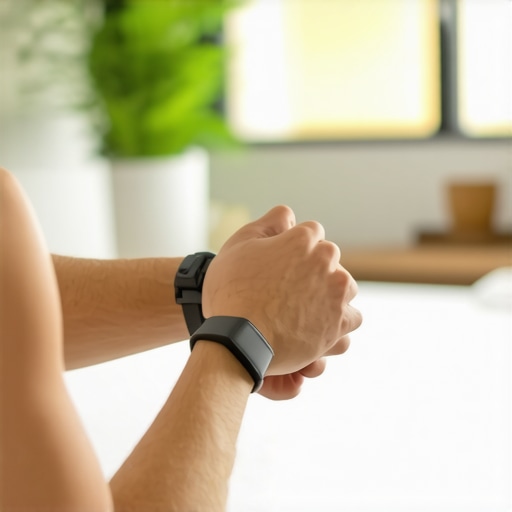
Why This New Trend Could Be a Double-Edged Sword for Your Weight Loss Journey
Let me make one thing crystal clear: relying solely on wearable technology to measure fat loss in Ozempic programs is about as wise as trusting a fish to climb trees. The shiny gadgets and sleek apps claiming to ‘monitor’ your progress have turned into a marketing frenzy, but are they really delivering what they promise? Or are they just another distraction in the relentless chase for quick fixes?
Here’s the bitter truth: these programs, boosted by 2026’s latest wearable tech, sell the illusion of complete control over your fat loss story. But progress in weight management isn’t a line graph optimized by a smartwatch—it’s a complex dance involving genetics, behavior, and often, medical oversight. Yet, the industry is pushing hard to convince you that a device strapped to your wrist can tell you exactly how much fat you’ve lost. So, why are traditional methods being sidelined in favor of this high-tech charade?
It’s simple—because the weight loss industry is a game of perception and profit. As I argued in my previous articles, the obsession with instant gratification has distorted what it truly means to shed pounds. Instead of focusing on sustainable habits, many programs now prioritize digital readouts, making fat loss a scoreboard rather than a lived experience. This shift risks turning your health into a data point rather than a lifelong journey.
Imagine navigating a stormy sea with a GPS that signals false coordinates—this is what measuring fat loss purely through wearable tech feels like. Sure, these devices can offer insights—heart rate, activity levels, perhaps even sleep quality—yet they falter when it comes to actual fat loss verification. For real results, you need a comprehensive approach that integrates medical assessments, nutritional coaching, and, yes, patience. Don’t fall for the mirage that a wearable can shortcut your progress or validate your efforts without context.
Ultimately, the obsession with high-tech solutions risks diverting attention from the fundamental truth: sustainable fat loss, especially when using medications like Ozempic, relies on the right combination of science, lifestyle change, and professional guidance. If you want results that last, look beyond the gadgets. Trust your doctor, not your device. In the end, no app—no matter how shiny or smart—can replace the nuanced understanding that comes from a seasoned clinician. For more on why this matters, check out this detailed breakdown.
The Evidence: Tech Can’t Substitute Clinical Insight
Despite the avalanche of claims, wearable devices fall drastically short in verifying fat loss, especially when medications like Ozempic are involved. Studies show that these gadgets often overestimate progress. For instance, a person might shed 10 pounds according to their app, but medical assessments reveal only a 2-pound reduction of fat mass. That disparity isn’t just a data glitch—it’s a misrepresentation that can deceive users into complacency or false hope. The reliance on surface-level metrics masks the complex biological reality of fat loss, which requires nuanced interpretation beyond a wristband’s capabilities.
A Broken System: Profit Over Authenticity
The drive for profit fuels the obsession with high-tech solutions. Companies marketing Ozempic alongside wearable tech don’t prioritize health; they chase sales. The industry’s focus on quick-fix devices aligns with an outdated paradigm that equates progress with measurable data rather than sustainable change. By overstating what gadgets can deliver, they create a false sense of mastery over a deeply biological process. This systemic flaw means individuals invest heavily in devices that promise results but rarely deliver lasting change—because, fundamentally, they substitute *clinical judgment* with digital illusions.
Where the Math Fails: The Cost of Convenience
Another point often overlooked is the financial incentive. Telehealth Ozempic prescriptions, supported by weight loss suppliers, thrive because they capitalize on demand for instant results. This cycle benefits a few—doctors, corporations, app developers—at the expense of genuine health outcomes. The supposed precision of these programs is a mask for a broken calculus that ignores the multi-layered factors influencing fat reduction: genetics, hormone levels, mental health, and lifestyle habits. The math here is simple: rely solely on technology, and you risk overestimating progress, underestimating setbacks, and overlooking the necessity of comprehensive medical care.
The Root Cause: Misplaced Dependence on Data
At the core, the issue isn’t just the malfunction of devices or the profiteering, but a cultural fixation on data that promises control. This obsession feeds into the illusion that a pill and a gadget can replace the intricate, often unpredictable, human body. In reality, consistent medical oversight, personalized dietary plans, and behavioral counseling remain irreplaceable. Without them, these programs are little more than sophisticated illusions—a mirage of control that vanishes upon closer inspection.
The Trap of Overreliance on Technology
It’s easy to see why many proponents of digital monitoring argue that wearable devices provide objective, real-time data that can optimize weight loss strategies involving Ozempic. They highlight the convenience of tracking activity, sleep, and even calorie expenditure with a tap on your wrist. For many, this technological aid feels like an empowering tool that enhances accountability and motivation.
However, this reliance on gadgets assumes that these devices can accurately measure fat loss and provide meaningful insights into the complex biological processes at play. Critics point out that wearables are limited in their ability to gauge true body composition changes, often conflating water weight fluctuations with fat reduction, and they tend to oversimplify the multifaceted nature of weight loss.
Is the Data Truly Trusted?
I used to believe that these devices could serve as reliable markers of progress—until I realized they often give a distorted picture. The sensors cannot differentiate between fat loss and other factors like muscle gain or hydration levels. When used as the sole metric, they can mislead individuals into false confidence or unnecessary despair. In the context of Ozempic, which primarily induces hormonal changes affecting appetite and metabolism, surface-level data becomes even more unreliable.
While the technological allure is undeniable, it ignores the deeper reality: genuine fat loss requires clinical assessment, personalized medical guidance, and an understanding of individual physiology—elements that no gadget can replicate.
The Wrong Question: Can Devices Replace Medical Oversight?
Many advocates suggest that technology can substitute frequent doctor visits for monitoring Ozempic’s effects. This is a dangerous misconception. The complexity of pharmacological weight management involves understanding hormone levels, blood glucose control, and potential side effects—areas that demand professional expertise. The notion that a wearable can substitute medical judgment undervalues the importance of clinical insight and personalized treatment plans.
It’s tempting to think that more data points from wearables translate into better outcomes, but the reality is different. These devices are adjuncts, not alternatives, to medical oversight. Ignoring this essential aspect can lead to overlooked complications or inadequate adjustments, putting health at risk.
Challenging the Convenience Paradigm
The Cost of Inaction
If we neglect the warnings about the limitations of wearable technology and the importance of comprehensive medical oversight in Ozempic weight loss programs, the consequences could be devastating. Relying solely on gadgets creates a false sense of progress, masking real health issues and leading to misguided decisions that jeopardize long-term well-being.
In the immediate future, individuals may experience weight plateaus or regain lost weight, believing they are advancing when, in fact, their bodies remain unchanged or worse—harmed. This disconnect can cause frustration, disillusionment, and abandonment of healthy habits, pushing people toward even more harmful quick fixes. Furthermore, misinterpretations of data may lead to skipped medical appointments, delayed diagnoses, and unaddressed side effects, amplifying health risks.
As this trend persists, the broader societal impact becomes apparent. Healthcare systems could become overwhelmed with preventable complications acquired from misguided at-home management. The false assurance provided by overhyped technology fosters a culture that undervalues medical expertise, diminishing trust between patients and healthcare providers. In this climate, health becomes a commodity, and genuine care is sidelined in favor of superficial metrics—creating a hazardous environment where critical health decisions are driven by unreliable data.
The Future Looks Bleak Without Action
If we continue down this path, within five years, the landscape of weight management and health will be unrecognizable. Expect a proliferation of individuals relying on unvalidated data, leading to increased health disparities as vulnerable populations fall further behind in effective treatment. Obesity-related conditions—diabetes, cardiovascular diseases, and metabolic syndromes—could surge, overwhelming medical resources and increasing mortality rates.
This trajectory resembles a ship heading toward rocky shores, ignoring the warnings of captains who understand the waters. Without a decisive shift back to holistic, evidence-based care involving medical oversight and behavioral support, we risk steering our society into a health crisis that could have been mitigated or avoided altogether.
What are we waiting for?
Inaction is a choice—one that values convenience over caution, surface over substance. Recognizing the limitations of technology and the irreplaceable role of clinical insight is the first step toward safeguarding our future. Ignoring this reality is akin to building a house on shifting sand; sooner or later, it will collapse under its own weight. It’s time to demand more responsible, comprehensive approaches to weight loss, lest we face an irreversible health catastrophe that could have been prevented.
${PostImagePlaceholdersEnum.ImagePlaceholderD}
The Final Verdict: Relying solely on wearable tech to gauge fat loss in Ozempic programs is a mirage—trust authentic medical guidance over digital illusions.
The Twist: Your fat loss journey isn’t a scoreboard; it’s a nuanced dance best guided by experienced clinicians, not gadgets trying to mimic expertise.
It’s time to stop chasing shiny devices that promise control but deliver false security. The technology may be seductive, but it cannot replace the deep understanding a seasoned healthcare professional provides. Instead of falling for the illusion of instant clarity, embrace a comprehensive approach—medically supervised, behaviorally tailored, and grounded in science. Learn why clinical oversight beats digital metrics every time.
If you want sustainable fat loss, then demand more. Question the temptation of quick fixes wrapped in high-tech glamour. Because in the realm of weight management, shortcuts are often false starts. Trust your body’s complexity over any app’s simplicity. The true measure of success isn’t in the data, but in the integrity of your care.
Are you ready to challenge the status quo? To shift from superficial metrics to genuine, medically guided progress? Your journey deserves that level of commitment. The question is not whether you can trust your device but whether you’re willing to trust the expertise that knows your body best.
Take control of your health. Ditch the distractions. Seek real answers from real professionals. Because when it comes to weight loss with Ozempic, your most reliable partner is not your wrist but your doctor.