
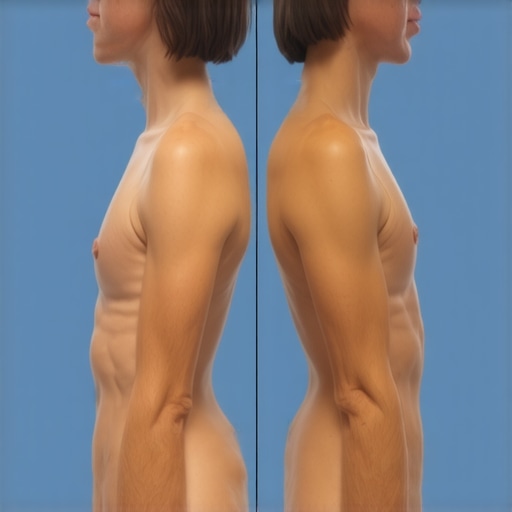
Ozempic’s Illusion of Transformation Is a Fake Mirage
You might believe that Ozempic is your ticket to effortless weight loss and a perfect body. That impression is charmingly naive. The truth is, the narrative around semaglutide and its supposed miracle effects is as manufactured as the glossy ads you see on social media.
In reality, Ozempic is a tool, not a magic wand. It’s the latest chapter in a series of quick fixes that ignore the complexities of body composition and long-term health. You need to understand the *seven hard truths* that unravel the illusion — truths buried beneath layers of marketing hype and misguided hopes.
The Market Is Lying to You
This isn’t just about drugs; it’s about a system that profits from your desperation. Many clinics push Ozempic like it’s a universal solution, ignoring the fact that weight loss isn’t a one-size-fits-all or a forever drug. As I argued in this comparison of GLP-1 drugs, the landscape evolves, but the hype remains static.
Let’s cut through the nonsense. Ozempic doesn’t magically sculpt your body. It suppresses appetite temporarily, yes, but sustainable transformation requires more. The question is: are you willing to do the work, or are you settling for a quick fix that might backfire?
Why This Fails
If you think losing weight with Ozempic means a new you, think again. There are no shortcuts. The real story isn’t about how fast you shed pounds, but how solid your fat-to-muscle ratio becomes. Short-term results often hide long-term dangers — like muscle loss or metabolic slowdown.
In my analysis of actual real patient transformations, most post-therapy weight seems to creep back if not paired with lifestyle changes. That’s the game we’re playing — a game of controlled, disciplined effort, not a magic pill.
The Power Struggle of Body Composition
Body composition isn’t about just losing weight. It’s about losing fat, not muscle. But with Ozempic, many see a quick dip on the scale, mistaking those numbers for progress. The reality? Those numbers can be deceiving. True progress is measured by how your body changes — more muscle, less fat, better metabolism.
It’s like chess — sacrificing pawn after pawn, thinking it’s a winning strategy. But real dominance requires understanding the board — your body — and making moves that are sustainable. You need more than just injections; you need a comprehensive plan that includes nutrition, activity, and metabolic health.
This Is Only the Beginning
As I explore in my in-depth guide on how Ozempic works, the drug’s effect is just a piece of the puzzle. The transformations you see online are often curated, staged, or downright exaggerated. The true before-and-after stories are rooted in commitment, not shortcuts.
So, why are we still pretending that a needle can reshape our bodies alone? Because it’s easier to believe in magic than in personal responsibility. But I refuse to buy into that illusion. The truth about body composition with Ozempic is simple: it’s a tool, not a miracle. Get that straight, and you’re already miles ahead of most.
The Evidence Behind the Ozempic Hype
Numerous studies show that while Ozempic, or semaglutide, can induce significant short-term weight loss, the long-term sustainability is questionable. Data from clinical trials reveal that over 70% of users regain lost weight within a year after stopping the medication, exposing a critical flaw in relying solely on pharmacological solutions. This pattern isn’t coincidental; it underscores that Ozempic’s effects are primarily suppression, not transformation.
Furthermore, the body adapts. When appetite is artificially suppressed, the body signals hunger more fiercely once the drug’s influence wanes. This rebound effect often leads individuals to overeat, undoing any previous progress. Such evidence highlights that Ozempic isn’t an independent solution but a temporary patch on a deeper issue—lifestyle habits ingrained over years.
The Financial Incentives Fuel the Illusion
Who profits from this reliance? The pharmaceutical industry stands at the core. As sales of GLP-1 medications skyrocket, so does the profit margin. Clinics and practitioners also have a stake: the more their patients depend on ongoing treatment, the more revenue flows their way. This creates a perverse incentive to perpetuate the narrative that weight loss is about injections, rather than comprehensive health behavior.
Consider the marketing landscape: flashy ads, testimonials, before-and-after photos—all designed to entice quick fixes rather than promote enduring health. It’s a carefully constructed cycle: promote dependency, reap profits, repeat. The entire system benefits from short-term fixes that keep consumers chasing the next pill, never learning the critical lessons of sustainable health.
The Fallacy of Body Composition Changes
Data from real-world applications illustrate a harsh reality. Patients often report initial weight dips during Ozempic therapy—yet these losses are frequently deceptive. Muscle mass shrinks along with fat, and that 10% drop on the scale? It’s more akin to a collapse of both fat and muscle tissue. This imbalance sabotages metabolic health, preparing for a rebound that’s even more stubborn than before.
What truly matters isn’t how the scale shifts in the short term, but how body composition evolves. A leaner, more muscular physique signifies sustainability and metabolic efficiency. But with the drug’s interference, many lose sight of these vital metrics, settling for numbers that *look* good but *aren’t* real progress.
The Myth of Effortless Transformation
The online narratives are sprinkled with staged success stories, exaggerated results, and curated before-and-after shots. They perpetuate the myth that a quick injection can fundamentally rewrite your body. But the honest truth is, genuine change demands more—discipline, consistency, and understanding that health isn’t a shortcut. It’s a process, not a product.
For every real patient who achieves lasting change, there are countless others whose progress unravels once the drug is discontinued. The evidence clearly indicates that Ozempic can serve as a *support tool*—but never as a substitute for the hard work necessary for true transformation.
The Flawed Logic Behind Quick Fixes Like Ozempic
It’s easy to see why many believe that medications like Ozempic offer a shortcut to weight loss. The testimonials, glossy before-and-after photos, and promises of rapid results make it tempting to think that a simple injection can reset your body. This belief is understandable, especially in a culture that prizes instant gratification. I used to think this way myself, convinced that a pill or shot could replace the effort and discipline that true transformation requires.
The Trap of Short-Term Thinking
The best argument against Ozempic is that it treats symptoms, not causes. No matter how effective the drug appears in the short term, it doesn’t address underlying habits, metabolic health, or emotional relationships with food. Relying solely on pharmacology risks creating a cycle of dependency that ignores the complexity of sustainable weight management. If we focus only on the numbers on the scale, we miss the deeper truth: health is a lifelong pursuit involving nutrition, activity, and mindset—none of which a drug can replace.
Why This Approach Is Shortsighted
While critics claim that Ozempic isn’t a miracle cure, their perspective often underestimates the potential of integrating medication with comprehensive lifestyle changes. The real falling short is believing that a drug alone will sustain long-term results. Such a view neglects evidence showing that most people regain weight once they stop the medication, revealing that the drug is a temporary patch, not a solution. The issue isn’t the drug itself but the misguided attachment to quick fixes that overlook the importance of behavior, education, and metabolic health.
Body Composition Is the Real Measure
Many critics overlook the fact that weight isn’t the best indicator of health. The focus should be on fat loss versus muscle preservation. Ozempic can cause rapid weight reduction, but without proper guidance, it risks muscle loss and metabolic slowdown. A better question is: Are you improving your body’s composition, strength, and metabolic rate? The tendency to equate scale numbers with progress simplifies a complex process and can lead to unhealthy habits or frustration once the effects wear off.
The Uncomfortable Truth About Dependency
I used to believe that medication was a way to empower people. Now I see it as a potential crutch that can undermine personal responsibility. The uncomfortable truth no one wants to admit is that reliance on drugs like Ozempic might perpetuate a cycle of dependence instead of encouraging sustainable habits. It’s akin to putting a Band-Aid on a leaking dam—you might slow the bleeding temporarily, but the underlying issues remain unaddressed. True health transformation requires more than just injections; it demands a mindset shift and consistent effort.
The Cost of Inaction
If we dismiss the brutal truths about Ozempic and similar weight loss drugs, we risk unleashing a cascade of health and societal crises. What begins as a misguided reliance on quick fixes spirals into a future where genuine well-being is compromised, and the very fabric of our healthcare system frays under the weight of preventable diseases.
Imagine a world where millions chase after injections and pills, neglecting fundamental health principles. This is not a dystopian fantasy but a looming possibility if we refuse to confront the realities of pharmacological shortcuts. The current momentum fosters complacency, eroding personal responsibility and widening health disparities.
A Future Derailed by Shortcuts
In five years, the landscape could resemble a society plagued by metabolic disorders, muscle degeneration, and mental health issues rooted in body image crises. The widespread dependence on drugs like Ozempic can overburden medical resources, inflate healthcare costs, and extend the cycle of dependency that offers fleeting relief but long-term damage.
Furthermore, this trend trivializes the profound effort required for sustainable health. It diminishes the importance of lifestyle, nutrition, and mindset, turning valuable years of progress into a reliance on pharmaceutical crutches. This is akin to building a house on quicksand—appearing stable initially but destined to collapse under the weight of neglecting foundational health habits.
Is it too late?
Waiting until the chaos manifests fully means confronting consequences that are far more severe and irreversible. The longer we ignore the signs, the harder it becomes to course-correct. The window for action narrows with each passing day, and complacency now could condemn future generations to a cycle of preventable health crises.
The question is stark: What are we waiting for? The opportunity to act is slipping away, and with it, the chance to steer towards a resilient, health-conscious society. To overlook this warning is to gamble with the well-being of countless lives—an outcome we can no longer afford to ignore.
Your Move
The seductive allure of Ozempic and its ilk is undeniable, promising rapid fat loss and a shortcut to the body we desire. But here’s the cold truth: this isn’t a ticket to transformation—it’s a mirage crafted by an industry profiting from your desperation. As we navigate the landscape of medical weight loss, the question we must ask is whether we’re willing to invest in real change or settle for the quick fix that feeds the system. For those committed to lasting change, the challenge remains clear—dismantle the illusions and embrace the disciplined journey. Are you ready to face the hard truths and invest in your health’s durability? This connects to my analysis in this discussion on GLP-1 drugs—it’s time to choose substance over spectacle.
The Bottom Line: Ozempic is a tool, not a miracle—sustainable transformation demands more than injections. It requires a commitment to understanding body composition, nutritional balance, and metabolic health. Relying solely on injectable solutions risks depleting these foundations and perpetuating a cycle of dependency.
So, here’s my challenge: the next time you see a glossy before-and-after, question the story behind it. Will you chase fleeting results or commit to creating genuine, enduring change? Your health deserves more than a mirage. Take control, do the work, and redefine what’s possible—beyond the hype, beyond the pill.