
Ozempic’s Miraculous Claims Are Overhyped
If you believe that simply injecting Ozempic or any GLP-1 receptor agonist will automatically rewrite your body’s fat loss story, think again. The pharmaceutical industry has mastered the art of selling hope, not results. The idea that the drug alone can deliver sustainable weight loss is a myth. So, why are we still mesmerized by headlines promising rapid transformations without addressing what truly matters: **nutrition, especially protein intake**?
The Myth of Medication as the Silver Bullet
Many fall into the trap of thinking Ozempic is a magic wand, but it’s more like a hammer—you still need to know what you’re building. As I argued in previous insights, medication might suppress appetite temporarily, but it doesn’t fix the foundational issues of diet, activity, and metabolic health. The real transformation happens when medication is paired with strategic lifestyle choices, notably a protein-rich diet that preserves muscle and accelerates fat loss.
Why This Fails
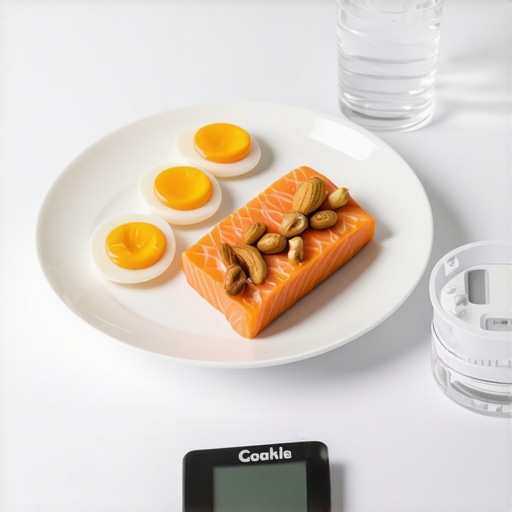
Here’s the cold truth: neglecting sufficient protein during your Ozempic journey is like trying to build a house without strong materials. You risk losing muscle mass, which leads to a hollow, loose-skin physique. Plus, without protein, your metabolism stalls, rendering your efforts ineffective in the long run. Don’t take my word for it—check out the real patient stories and clinical data in Ozempic before and after. The common denominator? Consistent, adequate protein intake.
The Market Is Lying to You
Med companies want you to believe their pill is the key. They’re selling hope in a pill-shaped box. But the real game-changer is understanding that **nutrition and habits** trump any prescription. The industry’s focus on quick fixes blinds us to the reality that a balanced diet—rich in high-quality protein—dictates the success or failure of your weight loss efforts.
Why Protein Is the Unsung Hero in 2026
By 2026, the science is clear: without prioritizing protein, Ozempic’s potential diminishes significantly. Muscle preservation isn’t just about aesthetics; it’s about metabolic health. If you’re not actively maintaining muscle mass, you’re building a house on a shaky foundation. The newer data from recent clinical trials underscore that those who focus on protein intake during their treatment see better, more durable results. For practical tips, visit 7 Tips to Optimize Your 2026 Ozempic Program.
The Real Power Play
In the end, the success of Ozempic in 2026 hinges less on the drug itself and more on how you treat your body. This is a battle of habits—what you eat, how you train, and how consistently you maintain high protein intake. Don’t let the marketing noise drown out this reality. The question is no longer whether Ozempic works; it’s whether you’re willing to incorporate the raw, unsexy truth about nutrition into your journey. Otherwise, you’re just a pawn in a game designed to profit, not to truly heal or transform.
The Frame Is Rotten From the Core
The obsession with quick fixes blinds us to the real culprits behind stubborn weight gain. Ozempic, a drug designed to suppress appetite, is celebrated as a miracle—yet, it merely masks symptoms. The root issue isn’t the lack of medication; it’s the flawed foundation built on poor nutrition and neglect of habits. Think about it: if a house collapses, slapping on new paint won’t fix the crumbling structure. The same applies here. Critics like myself have observed that without addressing *what* fuels the fire—namely *protein deficiency*—any drug’s effect remains superficial.
The Illusion of the Silver Bullet
History repeats itself with every new pharmaceutical boom promising instant transformation. In the 1980s, weight loss pills flooded the market; most offered little more than false hope. The pattern persisted with diet shakes, patch kits, and now, GLP-1 receptor agonists like Ozempic. They are presented as the ultimate solution—yet, evidence indicates otherwise. The *cold truth* is that medication operates as a catalyst, not a cure. It’s akin to a spark in a dry forest: without the right ignition—namely *adequate protein intake and lifestyle changes*—the fire will never truly ignite.
Who Wins From the Illusion?
Behind the shiny veneer lies a profit-driven engine. Pharmaceutical companies benefit immensely from this dependency. They produce the drugs, market the hope—*not* the resolution—and profit from long-term prescriptions. Meanwhile, the real beneficiaries often remain cloaked: *the industry, not the patient*. Every time a new drug hits the headlines, the question becomes: who profits? The answer is clear—those with stakes in the sales, not health outcomes. This dynamic fuels a cycle where the cure is *sold*, and the root causes—poor dietary habits, muscle loss, metabolic slowdown—are ignored.
Clinical Evidence: The Hidden Truth
Recent studies reinforce that *protein deficiency* during weight loss treatments significantly hampers results. Data shows that patients who maintain higher levels of dietary protein experience *more durable fat loss* and muscle preservation. Consider this straightforward fact: muscle mass accounts for a substantial part of resting metabolic rate. *A 20% loss of muscle* during a weight-loss phase isn’t a minor dip—it’s a collapse of metabolic capacity. That’s why, despite claiming to be an
The Wrong Question People Are Asking
It’s understandable why many cling to the idea that medications like Ozempic are the silver bullet for weight loss. The allure of rapid results with minimal effort is seductive, especially amid a culture obsessed with quick fixes. Critics argue that Ozempic’s proven efficacy is enough reason to embrace it as a mainstay. But is that the real question we should be asking?
The Trap of Oversimplification
This perspective simplifies weight management to a single variable, ignoring the complex interplay of nutrition, habits, and metabolic health. Yes, clinical trials show impressive numbers, but those outcomes often hinge on accompanying lifestyle modifications—particularly diet quality. Ignoring the foundational elements is a classic mistake that many make—assuming the drug is the primary driver of success rather than a catalyst among many.
Why This Is Short-Sighted
Let’s be honest: I used to believe that pharmacological interventions alone could overhaul weight loss. But experience and evolving science reveal that relying solely on medication is a recipe for disappointment. The best results emerge when Ozempic is integrated into a comprehensive approach that prioritizes **protein intake, resistance training, and behavioral change**. Without these, the drug’s promise diminishes significantly.
Think of it this way: a hammer isn’t a building. Medications like Ozempic are tools—not solutions. When used without solid nutritional strategies, they risk leading you astray, leaving you dependent on perpetual prescriptions rather than genuine transformation.
Addressing the Ethical Dilemma
Another layer of the critique focuses on the ethics of promoting drugs as weight-loss solutions. Critics claim it diverts attention from addressing root causes such as poor diet, sedentary lifestyles, and societal factors. While this moral outrage holds merit, it also sidesteps the practical reality: many seeking quick fixes may not be ready or able to overhaul their entire lifestyle overnight.
Here’s where the mistake lies: framing medication as an easy escape, rather than an adjunct. If we acknowledge medication’s role as part of a broader, sustainable plan—centered on high-quality protein, strength training, and habit formation—it’s a powerful ally, not a crutch.
The Price of Ignoring Context
Many opponents overlook the reality that pharmacotherapy isn’t a standalone magic wand for everyone. The variable is individual context. For some, especially those with metabolic syndrome or insulin resistance, Ozempic can serve as a bridge to healthier habits. Discounting this potential entirely is shortsighted and dismisses the nuanced approach needed for effective weight management.
Moreover, dismissing drug-assisted weight loss without acknowledging its benefits in specific cases risks stigmatizing those who might genuinely need it. Not everyone responds the same way, and personalized medicine demands a flexible approach that combines medication, nutrition, and behavioral change.
Conclusion Without Finality
Critical voices often argue that reliance on drugs like Ozempic distracts from long-term solutions rooted in lifestyle. While this critique is valid, it also overlooks the fact that progress in weight management isn’t monolithic. Medications can serve as catalysts, but only if integrated into a holistic plan emphasizing **sufficient protein, resistance training, and sustainable habits**. The real mistake is to view Ozempic as a shortcut—it’s merely one piece of a larger puzzle that requires honest, multifaceted effort.
The Cost of Inaction
If society continues to dismiss the importance of proper nutrition and lifestyle changes, the consequences will be devastating. Relying solely on medications like Ozempic without addressing foundational habits creates a ticking time bomb. We risk a future where obesity and metabolic diseases become unchecked epidemics, overwhelming healthcare systems and draining economic resources.
The Future Looks Bleak in Five Years
Should this trend persist, by 2030, we may face a public health catastrophe. Imagine a world where generations are dependent on continuous pharmacological intervention, with little regard for sustainable habits. The healthcare landscape will be littered with preventable chronic conditions—diabetes, cardiovascular diseases, and musculoskeletal issues—fuelled by unchecked weight gain and muscle loss.
What are we waiting for?
Every day we delay action, the gap widens. It’s akin to watching a house on fire and hesitating to grab the hose. The longer we ignore the root causes—poor nutrition, sedentary lifestyles, ignoring protein intake—the more intractable these problems become. The critical moment to act is now, before our collective health spirals irreversibly downward.
Ignoring the truth about Ozempic and the importance of foundational habits risks turning our society into a landscape of chronic illness and diminished quality of life. We need to recognize that medicine alone cannot carry the weight of this burden. Without meaningful changes, we are building a future on shifting sands, susceptible to inevitable collapse. The urgency is real: the health of future generations depends on the choices we make today.
The Final Verdict: No pill can substitute for real habits—your success hinges on how you treat your body, not on a quick fix.
The Twist: The industry’s false promise of a miracle cure distracts us from the raw, unsexy truth—sustainable weight loss requires effort, discipline, and high-quality nutrition.
It’s time to stop chasing shiny objects and start embracing the fundamentals of health. Ignore the hype around medications like Ozempic for just a moment—and focus on what truly matters: building habits rooted in nourishment. Protein intake isn’t optional; it’s the cornerstone of muscle preservation, metabolic health, and long-lasting results—regardless of whether you’re using an advanced drug or not.
Too many fall prey to the illusion that a pharmaceutical shortcut is the answer. But here’s a challenge: Are you willing to look beyond the marketing noise and accept that your body’s health is a reflection of your daily choices? Real change demands honest effort—resisting the temptation of quick fixes and embracing the unfiltered truth about nutrition and habits.
Don’t be a pawn in a system that profits off dependency. Take control. Prioritize resistance training, elevate your protein intake, and foster habits that sustain. Only then can you hope to escape the cycle of fleeting results and build a foundation that withstands the test of time.
Your move—don’t wait for the next hype to define your health. Start now, because the future doesn’t wait for excuses. The time to rewrite your story is today, not tomorrow.