
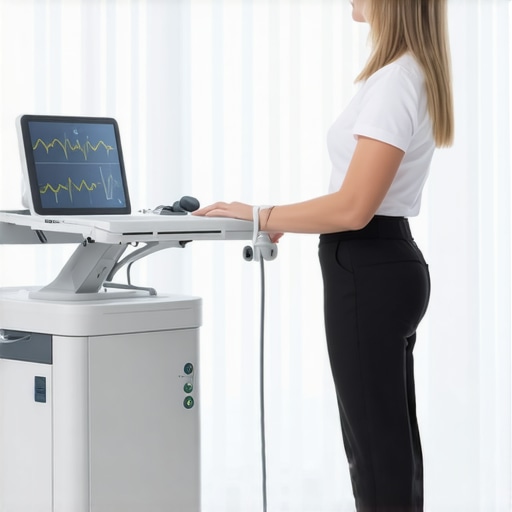
The Biggest Weight Loss Lie of 2026
You might think the future of weight loss hinges solely on the latest injectable drugs or fancy gadgets. But the real game-changer is something you rarely hear about: bio-impedance technology. While clinics are hyping up Ozempic and similar GLP-1 analogs, beneath the surface they’re relying on a scientific method as old as the scales in your gym—yet one they’re now disguising as cutting-edge. No, bio-impedance isn’t some magic bullet. It’s a tool, but it’s one that exposes the hollow promises of the modern weight loss industry.
Let me make one thing clear: If you’re still trusting clinics that don’t measure your body’s composition with precision, you’re walking into a trap. The 2026 trend isn’t just about prescribing the latest injection; it’s about *measuring* your progress accurately. And bio-impedance, used correctly, is the secret weapon that separates serious weight management from unsubstantiated gimmicks.
Today, I’m here to challenge the myth that weight loss is all about what you eat or how many pills you swallow. Weight is a complex, multifaceted issue—yet most clinics simplify it down to numbers on a scale. They ignore what really matters: muscle mass, visceral fat, water retention. Without proper measurement, all those fancy drugs are just chasing shadows. That’s why bio-impedance is the backbone of real progress in medical clinics, especially in 2026, when the stakes are higher and the pressure to deliver results is relentless.
Why This Fails When Clinics Skimp on Science
You’ve probably seen ads claiming that Ozempic or Wegovy will melt away fat effortlessly. But without detailed body composition analysis, how do clinics know you’re not losing muscle or just dehydrating? They don’t. The trap is simple: rely on weight alone, and you’re guessing—it could be a healthy fat loss, or just water. Bio-impedance provides the clarity needed to distinguish between the two. It’s akin to steering a sinking ship by ignoring the compass—dangerous and reckless.
When clinics ignore bio-impedance, they risk pushing patients toward a dangerous deficit or worse, misdiagnosing their progress altogether. This can lead to cycles of hopeless plateauing or rebound weight gain—a scenario I’ve seen too often. The truth is, without accurate body composition data, the promise of sustainable weight loss remains a fairy tale. If you want to know why some clinics are still stuck in the old ways while others thrive in 2026’s landscape, look no further than their commitment to measurement tools.
The Evidence: Bio-Impedance’s True Role in Weight Management
While clinics trumpet the latest injectable solutions like Ozempic, the real backbone of sustainable weight loss remains rooted in ancient, scientific truth—measurement. Bio-impedance analysis (BIA) has been around for decades, yet in 2026, its significance is being rediscovered with renewed vigor. The data derived from bio-impedance devices reveals a startling truth: not all weight loss is created equal. Patients losing weight without understanding their body composition risk the very pitfalls that plague unverified approaches.
Consider this: in recent years, clinics that neglect precise body composition measurement have seen wave after wave of patient frustration. The occurrence of muscle loss instead of fat, dehydration masquerading as weight change, and rebound gains have become commonplace. These are not mere coincidences; they are a consequence of relying solely on the scale. Bio-impedance, with its nuanced insights into fat mass, muscle mass, and water levels, exposes the flawed logic behind therapies that focus only on numbers.
The Root Cause: Why the Industry Ignores Accurate Measurement
The core problem isn’t a lack of innovation; it’s the exploitative *lack of transparency*. Clinics eager to push the newest $1,200 injections often sideline bio-impedance because it complicates their narratives. They prefer a simple message: “Take this pill, see results.” But real progress demands precision—an understanding that not all weight loss is equal — and this is where bio-impedance disrupts the charade.
Furthermore, the industry’s incentive structure favors volume over validity. If a clinic can boast of high-scale weight loss, they thrive. But if they measure body composition and find that patients are losing muscle rather than fat, they risk losing credibility and, more critically, profits. The financial motivation to overlook detailed analysis is clear. Why invest in expensive bio-impedance devices when the illusion of rapid, effortless results sells better?
The Follow the Money: Who Profits from a Superficial Facade?
The big beneficiaries are the pharmaceutical giants and med-spas peddling the latest weight loss drugs. These entities profit from a model that emphasizes quick fixes—injectables that promise fat reduction while sidestepping the fundamental science of body composition. The less clinicians measure, the easier it is for drug companies to sell their pills as magic solutions, free from the complexities of muscle preservation or water balance.
It’s a classic scenario: a little knowledge—selective and superficial—is *dangerous*. Clinics, driven by revenue, prefer the illusion of rapid transformation, offering patients a false sense of hope while the fundamental issues—muscle loss, dehydration, metabolic slowdown—remain unaddressed. Bio-impedance analysis, therefore, becomes a threat to this lucrative, superficial industry. It exposes the gaps, the frauds, and the real cost—rebound weight gain, poor health, and diminished trust.
As we peer deeper into 2026, the message is clear: true progress demands truth. In the battle between profit-driven gimmicks and rigorous science, bio-impedance emerges as the unsung hero—an honest mirror reflecting what truly happens beneath the surface. Those who choose to ignore it do so at their peril, sacrificing health for hollow promises.
The Critics Will Say Bio-Impedance Is Overhyped
It’s understandable why some skeptics argue that relying on bio-impedance technology is overly complex or unnecessary, especially given the emphasis on injectable drugs like Ozempic in 2026. They contend that to focus on body composition analysis is to overcomplicate a process that should be straightforward—simply eating less and moving more. Some even claim that bio-impedance methods lack precision and have inconsistent results, making them unreliable for serious weight management.
While these points seem valid on the surface, they brutally overlook the core issue: relying solely on scale weight and ignoring what actually constitutes that weight—muscle, water, fat—is a fundamental flaw. The critics are conflating measurement complexity with measurement accuracy. Ignoring detailed body composition data doesn’t simplify the process; it obscures the reality. And claiming bio-impedance is unreliable is just an excuse rooted in resistance to scientific progress.
The Flawed Question: Why Are We Still Guessing?
I used to believe that weight loss was all about calories in versus calories out, or that if I just followed the latest diet, results would follow. But that belief was shortsighted. The real question isn’t “Why use bio-impedance?” but “Why are so many clinics still relying on guesswork?” The stubborn reliance on scale weight as the sole metric reveals a dangerous nostalgia for simplicity, ignoring the complex composition of human bodies.
This outdated mindset fosters an industry of quick fixes and superficial promises. When clinics refuse to measure body composition accurately, they set their patients up for failure—losing muscle instead of fat, dehydrating without realizing, rebounding in frustration. A deep understanding of body composition isn’t just a scientific nicety; it’s the backbone of sustainable, healthy weight loss.
The Cost of Inaction
If we continue to overlook the importance of precise body composition measurement, the consequences will be devastating. Without proper analysis, patients will face ongoing cycles of futile weight loss attempts, muscle wasting, dehydration, and rebound weight gain. These issues do not just hinder individual health—they threaten to erode trust in medical weight management altogether.
In the next five years, the industry is likely to double down on superficial solutions that promise quick fixes via injectable drugs like Ozempic, while neglecting the science that truly matters. This trend will lead to a ripple effect of health problems, skyrocketing healthcare costs, and a societal shift where body health is reduced to a number on the scale, ignoring the complexity beneath the surface.
What are we waiting for?
Imagine trying to navigate a treacherous mountain trail blindfolded. You might reach your destination eventually, but at what cost? Without accurate measurement tools like bio-impedance, clinics are essentially blindfolded explorers, risking lives and health with each step. The longer we ignore this fundamental aspect of weight management, the more lives are at risk of avoidable suffering.
This neglect is not just a missed opportunity; it’s a dereliction of our moral duty to provide honest, effective healthcare. It’s akin to ignoring a leak in a dam—eventually, the damage will be catastrophic. The mounting evidence shows that unless healthcare providers embrace comprehensive body composition analysis now, the consequences will compound, leaving us with a society grappling with preventable health crises.
As we stand at this crossroads, the choice is clear. Continue surrendering to superficial fixes that neglect the science or prioritize true, sustainable health outcomes rooted in accurate measurement. The time to act is now, before the damage becomes irreversible.
${PostImagePlaceholdersEnum.ImagePlaceholderD}
The Final Verdict
In 2026, authentic weight loss success hinges on precision measurement, not superficial gimmicks.
The Twist
Bio-impedance technology, long dismissed as outdated, is the only true litmus test revealing who’s genuinely transforming—yet the industry continues to ignore it to protect profits.
Your Move
Stand for real science. Demand clinics that measure what truly matters—muscle, water, fat—before trusting the hollow promises of injectable solutions. Don’t let slick marketing and profit motives blind you to your body’s truth. If you’re tired of the endless cycle of futile dieting and superficial results, learn how to harness authentic tools like bio-impedance analysis by visiting this link or understanding how Ozempic works for real weight loss. The industry’s game is rigged, but your health doesn’t have to be collateral damage. Wake up, demand accountability, and embrace the science that will truly transform your body and life. It’s time to cut through the hype—your health depends on it.