
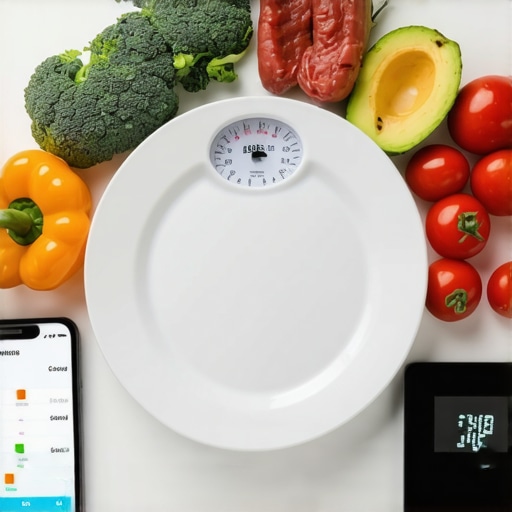
Why We Need to Drop the Illusion of Instant Fat Loss with Ozempic
By now, it’s almost sacrilegious to suggest that weight loss might require more than a magic shot. You might think that Ozempic, the injectable darling marketed as the ultimate slimming secret, is enough to melt away fat while you binge-watch Netflix. But if you believe that, you’re walking straight into a trap.
What Ozempic really does isn’t a miracle; it’s a tool that suppresses appetite and mimics your body’s own glucose regulation. Yes, it can help you shed pounds, but only if you understand one hard truth: calories still matter. No pharmaceutical or injection can sidestep the basic laws of thermodynamics.
Let’s be blunt—the hype around Ozempic as a shortcut to effortless weight loss is a marketing mirage. It’s like trying to win a chess game by ignoring your opponent’s moves. You can’t rely solely on injections; you must control what goes into your mouth. Otherwise, those pounds will come back faster than they disappeared.
This obsession with a quick fix ignores the fact that sustainable weight management requires behavior change—controlled calorie intake, mindful eating, and a realistic approach to lifestyle. If you’re waiting for an injection to do all the work, you’re setting yourself up for disappointment.
And for those considering this route, I suggest exploring the reality of prescription treatments and the role of comprehensive programs. Just visit doctor-supervised Ozempic treatments for insights. But remember, whether it’s Ozempic or Wegovy, the principle remains: Calories Still Matter.
The Market is Lying to You
The biotech industry and weight loss clinics thrive on the myth that a shot can replace your effort. It’s easier to market a pill than to face the tough truths about diet and discipline. But the hard truth is that nothing replaces a calorie deficit. If your goal is long-term health, you need to confront your eating habits, not just rely on an expensive injection.
In fact, many patients see “results” only because they simultaneously cut calories and exercise. Ozempic is a catalyst, not a replacement. As I argued in this comparison of GLP-1 drugs, drugs are adjuncts, not magic bullets.
So, why are so many still seduced by this illusion? Because quick solutions sell better than hard truths. But real change? It’s rooted in understanding that calories govern weight—and no injection can override that simple fact.
The Evidence: A Mirage Supporting the Illusion
Recent clinical trials and real-world data confirm that Ozempic, like other GLP-1 receptor agonists, can induce significant weight loss—often around 15% of body weight over several months. But this isn’t a magic trick; it’s a carefully calibrated pharmaceutical that suppresses appetite and delays gastric emptying. The problem is, many fall for the myth that the drug alone sustains this loss indefinitely. The data show that once patients cease the medication or revert to old eating habits, weight regain is almost inevitable.
Moreover, the studies reveal something more insidious: adherence declines sharply after the initial phase. Patients stop the injections because of cost, side effects, or misconceptions—only to find the pounds creeping back. This pattern exposes a critical flaw: Ozempic isn’t a silver bullet but a temporary mechanical aid—akin to training wheels, not the bicycle itself.
Additionally, evidence suggests that the psychological dependence on medication can hinder genuine behavioral change. When patients believe they can hand over their responsibility to a drug, they neglect the foundational role of calorie control. The data demonstrate that the majority of sustainable weight loss results from lifestyle modifications—controlled eating and increased activity—regardless of pharmaceutical aid. Without this behavioral component, the initial progress tallies only as a transient success.
The Market’s Role: Selling Fast, Profiting Fast
The pharmaceutical industry and weight clinics thrive on more than just the promise of efficacy—they profit from perpetual use. The more a patient relies on ongoing injections, the more lucrative it becomes. They’ve learned to **capitalize on dependence**, turning what should be a short-term intervention into a recurring revenue stream.
Consider the pricing: a typical Ozempic prescription can cost upwards of a thousand dollars per month—out of reach for many, yet bundled into insurance plans or subsidized through aggressive marketing. The industry’s narrative pushes the idea that weight management is about quick fixes, not lifelong discipline—because quick fixes sell, and profit, after all, is the real motive.
Furthermore, officials and clinics often minimize the importance of comprehensive behavioral change, instead emphasizing the drug’s role. This shift leads patients to believe they don’t need to adjust their habits. The consequence? A cycle of dependence, relapse, and renewed prescription costs. They profit from the illusion that a single injection can undo years of unhealthy habits.
The Cost of Ignoring the Math
While headline figures tout Ozempic’s effectiveness, experts know the harsh reality: a 15% weight loss is not sustainable without lifestyle changes. Calorie deficits, increased physical activity, and mindful eating are fundamental. The drug merely suppresses appetite—an effect that’s temporary and, in many cases, insufficient without a broader strategy.
What’s more revealing is the data on long-term outcomes. Post-treatment studies show a significant rebound of weight, often surpassing initial weights, reinforcing that reliance on injections alone is a short-lived fix. If they truly understood the underlying physics of weight regulation—calories in versus calories out—they’d realize that no injection can defy the law of thermodynamics.
This evidence underscores an uncomfortable truth: the industry’s predominant narrative is a *fabrication*. It’s built on the promise of effortless results, which inevitably crumble upon close inspection. The real problem isn’t the drug itself; it’s the systemic deception—selling a shortcut instead of honest effort, because honesty doesn’t fill bank accounts the way quick sales do.
The Limits of Easy Answers
It’s easy to see why many are attracted to the idea that a simple injection like Ozempic can effortlessly melt away fat. The promise of quick, hassle-free weight loss is tantalizing, especially in a culture obsessed with instant results. This allure is reinforced by stories of dramatic weight drops, often overshadowing the nuanced reality behind these outcomes.
But that, just like many quick fixes, oversimplifies a complex physiology. The core argument from critics is that medications like Ozempic are valuable tools that can significantly aid weight management, especially for individuals with obesity-related health issues. They point out that for some, these drugs have provided life-changing improvements, reducing risks of diabetes and cardiovascular disease. The benefits are real and shouldn’t be dismissed.
The Power of Medical Intervention
Indeed, when used appropriately under medical supervision, Ozempic and similar drugs have demonstrated impressive results. They can suppress appetite effectively and improve metabolic profiles, which are crucial for individuals struggling with weight-related illnesses. In specific cases, these medications serve as necessary adjuncts, especially when traditional approaches have failed.
However, this perspective often neglects the broader context. The argument that pharmaceuticals alone can solve the obesity epidemic neglects their limitations and the importance of behavior change. The claim that a medication is a stand-alone solution misses the point: drugs are a means to facilitate, not replace, the foundational work of lifestyle adjustments.
The Wrong Question Should Be About Long-Term Sustainability
The Cost of Inaction
Ignoring the reality that medications like Ozempic are merely tools, not magic solutions, sets us on a dangerous path. If society continues to chase quick fixes without addressing underlying habits, we risk a future where obesity becomes even more entrenched, burdening healthcare systems and straining economic resources. The current trend of relying solely on pharmaceuticals fosters complacency, encouraging individuals to abandon lifestyle changes in favor of dependence on drugs. This reliance not only delays true behavioral change but also amplifies the cycle of weight regain and disappointment, compounding the physical and emotional toll on millions.
A Choice to Make
Faced with this divergence, we must choose between immediate gratification and sustainable well-being. Concealing the hard truths about caloric balance and personal responsibility under the guise of medical shortcuts might provide temporary relief but at what cost? If we continue down this route, the next five years could see a healthcare landscape overwhelmed by preventable chronic illnesses, skyrocketing costs, and a loss of individual agency. The societal message becomes dangerously clear: effort is optional, and pharmaceutical solutions are effortless. This mindset erodes the foundation of personal discipline essential for long-term health.
The Point of No Return
Picture a society where generations grow up believing weight management requires nothing but a simple injection. It’s akin to thinking a ship can sail endlessly without considering its hull integrity or navigation. Ultimately, neglecting the importance of lifestyle and diet will cause the ship to sink. If we surrender to this illusion now, the consequences in half a decade will be dire: health crises multiplying, economic burdens soaring, and the human spirit of effort fading. The question is stark—what are we waiting for? The longer we dismiss the underlying truths, the more irreversible the damage becomes. Ignoring this warning simply prolongs the suffering—it’s a choice between a healthier future or a society shackled by preventable ailments.
Your Move: Stop chasing quick fixes and embrace the reality that sustainable weight loss demands effort, discipline, and understanding that calories still matter. The pharmaceutical industry may profit from the myth of easy solutions, but your health isn’t a sales pitch. Visit doctor-supervised Ozempic treatments to understand true medical guidance and remember, no injection replaces the foundational work of healthy habits.
While the data shows that medications like Ozempic can induce significant short-term weight loss, they are merely tools—not magic. Relying solely on injections without behavioral change is like building a house on quicksand. The true challenge lies in controlling what goes into your body and maintaining that discipline beyond the medication’s effects, as explained in this detailed breakdown.
Let’s face the harsh truth: the industry profits from your dependence, not your health. They sell the illusion of effortless weight loss, masking the systemic deception with marketing hype. But until you understand that calories govern weight, the cycle of regain and disappointment will continue, no matter how much you spend or how many injections you take. This connects to the broader critique in comparing GLP-1 drugs.
So here’s the challenge: choose effort over ease. Commit to lifestyle changes that prioritize real health and reject the seduction of shortcuts. The future of weight management isn’t in a syringe—it’s in your hands. For practical guidance, explore this comprehensive guide. Remember, the real victory lies in your determination, not the drug.