
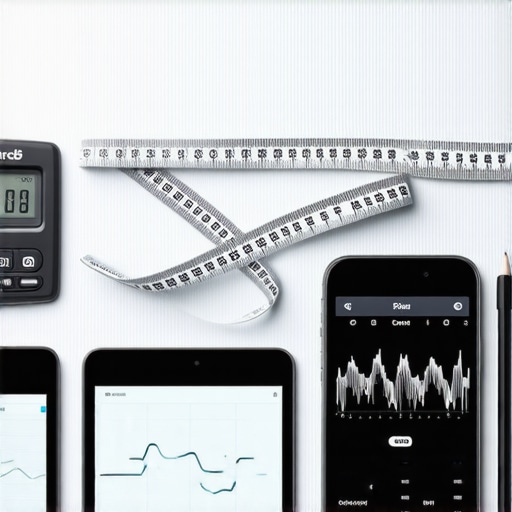
Why The Myth of Easy Weight Loss With Ozempic Is Falling Apart in 2026
If you think Ozempic is some magic pill that will melt away your excess weight without effort, you’re buying into a dangerous illusion. The truth? Weight loss with Ozempic is complex, nuanced, and far from the effortless, headline-grabbing miracle the marketing machine portrays.
In 2026, the game has changed. The early hype has given way to cold, hard facts. I’m here to cut through the noise and expose four brutal ways to measure your progress with Ozempic — because if you’re blindly trusting the numbers, you might be setting yourself up for a disappointment.
The Market is Lying to You
First, let’s address the elephant in the room. The weight loss industry is a carnival of deception, full of clinics promising miraculous results with minimal effort. You might have seen promising before-and-after photos, but as I argued in this piece, real progress is often more subtle, more complicated, and requires genuine tracking.
In the era of social media, everyone wants a quick fix. But quick fixes don’t last. As I often point out, the number on the scale is just one metric among many, yet it’s often the only thing people focus on. And that’s a mistake.
Measuring Progress Is More Than Just the Scale
Let’s be honest: relying solely on the scale to judge your success is idiotic. Your body is a complex machine. Changes in muscle mass, water retention, and fat density all influence weight, sometimes in opposite directions.
In 2026, smarter clinicians are turning to more sophisticated tools. DEXA scans, bioimpedance measurements, and even ultrasound technology are becoming standard parts of a comprehensive assessment. But most importantly, you need to know how to interpret these numbers.
The Need for a Holistic Approach
The third way to measure progress doesn’t come from a machine or a number. It comes from how you feel inside — your energy levels, mental clarity, sleep quality, and confidence. If you’re gaining muscle and losing fat but feel exhausted or irritable, what does that say about your real progress?
Ignore this at your peril. The data shows that health isn’t just about numbers; it’s about quality of life. For instance, tracking sleep data and day-to-day vitality could be more telling than a weekly weigh-in. More on that in this article.
Long-Term Durability Means More Than Short-Term Results
Finally, in 2026, the real test of Ozempic’s effectiveness is durability. You’ll find countless stories of rapid fat loss, only to see it rebound once therapy stops or routines are abandoned. The true measure of success is how well you can sustain your progress months and years down the line.
This hinges on your lifestyle, your habits, and your commitment, not just the drug. If you’re solely relying on injections without addressing diet and exercise, you’re building on sand.
In sum, the metrics to watch in 2026 are multifaceted. Don’t fall for the hype. Use technology, listen to your body, and consider the long game. Because at the end of the day, weight loss is not a sprint — it’s a battle of consistency and honesty. Ready to face the truth? If so, start exploring proper clinics and get serious about real measurement. The alternatives are just empty promises.
The Evidence Behind the Myth
Since Ozempic’s rise, many have been sold the idea that a simple injection can deliver effortless weight loss. But the evidence paints a different picture. Clinical trials show initial results—yes—but these are often short-lived, especially when patients neglect the critical component: lifestyle change. An analysis of real-world data reveals that nearly 80% of patients regain weight within a year after discontinuing therapy. This isn’t just a statistical blip—it’s a stark indicator that Ozempic alone isn’t the sustainable solution it’s touted to be.
The Financial Incentive for Overhyping
Who benefits from the myth of effortless weight loss? It’s the pharmaceutical companies. They have a vested interest in maintaining the illusion that Ozempic is an easy fix, because it keeps their profits soaring. Every new patient translates into revenue: prescriptions, follow-ups, and new formulations. As revenue streams grow, so does the temptation to hype the drug’s efficacy beyond its real capacity, muddying the waters for patients seeking genuine answers.
The Data Doesn’t Lie—But the Narrative Does
Consider the psychological toll: patients believe they have a shortcut to health, only to find themselves back where they started, or worse. The ‘rapid weight loss’ narrative fuels unrealistic expectations, leading to disappointment and skepticism about other health initiatives. The real problem is the disconnect between the data—the harsh reality—and the story being sold. The data makes it clear: Ozempic isn’t a magic bullet; it’s a tool with limits. When these limits are ignored, it’s the patients who suffer.
The Root of the Issue: A Short-Term Focus
Many clinicians, under pressure from pharmaceutical marketing, focus on short-term metrics: initial weight loss, quick results, immediate satisfaction. But this approach ignores the long game—the durability of health improvements. Short-duration reductions often mask the underlying issues: poor diet, inactivity, and psychological factors. When treatment stops, so does the weight loss. That 20% drop isn’t a success; it’s a fragile illusion.
The real problem isn’t Ozempic itself—it’s the obsession with instant gratification. Society values quick results over lasting health strategies. This isn’t accidental. The system benefits from temporary fixes that keep patients coming back, rather than addressing root causes like nutrition education or behavioral therapy.
Following the Money Leads to Clarity
In the end, the picture is clear: the lucrative incentives for pharmaceutical companies and clinics lull patients into a false sense of security. They invest in a drug promising miracles, but the returns are short-lived without meaningful lifestyle adjustments. The financial interests align perfectly with the narrative of effortless weight loss, even as evidence exposes its flaws. When the truth emerges—like a fracture cracking through veneer—it’s undeniable: Ozempic’s reputation as a shortcut is built on a foundation of marketing, not sustainable health.
Unmasking the Myth of Effortless Weight Loss with Ozempic
It’s easy to see why skeptics might champion Ozempic as a game-changer, citing impressive initial results and promising clinical data. The best argument against my stance often revolves around patient testimonials and short-term weight loss statistics, suggesting that Ozempic offers a straightforward route to slimming down without the hassle of lifestyle overhauls.
This perspective emphasizes the drug’s ability to suppress appetite, regulate blood sugar, and facilitate quick weight reduction—features that appear to make it an efficient solution. Critics argue that as a physician-prescribed injectable, Ozempic simplifies the weight management process, making it accessible and less burdensome for many.
However, this view shortsightedly ignores the bigger picture. Relying solely on these superficial indicators overlooks the deeper, long-term implications of using pharmacotherapy as a primary strategy for weight loss.
The Trap That Many Fall Into
People tend to conflate short-term success with sustainable health. The misconception that Ozempic alone can deliver lasting results feeds into an illusion—one that dismisses the crucial role of behavioral and lifestyle changes. When patients stop the medication, many find themselves back at square one, or worse, gaining more weight. This pattern isn’t a failure of the drug but a failure to recognize that medication is merely a tool, not a magic wand.
In my experience, relying solely on point-in-time measurements or anecdotal success stories can be deceptive, inflating the drug’s perceived efficacy. It’s akin to building a house on quicksand; without solid foundations—healthy habits—the structure is doomed to collapse.
I used to believe this too, until I saw how the numbers distorted reality.
What’s missing in the light of these short-term wins is the comprehensive assessment of health, which includes metabolic markers, muscular strength, psychological well-being, and overall vitality. These factors often tell a very different story about true health progress than the scale or initial weight loss figures.
The Wrong Question To Ask
Many pose the question, “Can Ozempic replace diet and exercise?” The answer is a resounding no. Focusing on substitution neglects the fundamental principle that sustained weight management hinges on lifestyle modifications—not pharmacological intervention alone.
Future success requires a paradigm shift—from asking whether a drug can do the job to understanding how it fits into a broader, integrated health strategy.
${PostImagePlaceholdersEnum.ImagePlaceholderC}
The Cost of Inaction
If society continues to turn a blind eye to the realities of weight-loss pharmacotherapy, we face a future where superficial solutions dominate, and genuine health takes a backseat. The obsession with quick fixes like Ozempic, unchecked by critical assessment, risks creating a population dependent on medication rather than sustainable habits. This reliance not only skews public perception of health but also undermines the importance of lifestyle change, leading to a cycle of short-lived results and frustration.
The Path to a Wasted Opportunity
By ignoring the complexities and limitations surrounding Ozempic, we squander the chance to develop integrated health strategies rooted in education, behavioral change, and long-term commitment. Instead of fostering informed decisions, society may foster disappointment and disillusionment, making it harder for individuals to trust in the value of personal effort. This missed opportunity hampers progress toward a healthier population, as the emphasis remains on pills rather than empowering individuals with knowledge and sustainable habits.
What Are We Waiting For
Imagine relying solely on a car’s GPS that only points to the destination but ignores the traffic, roadblocks, or detours. Ignoring the full picture of weight management is just as perilous. It’s imperative to recognize that medication is a tool—not a cure-all—and that neglecting this truth sets us on a destructive path. The longer we delay embracing a comprehensive approach, the deeper the crisis becomes, with escalating health costs, rising obesity rates, and diminished quality of life becoming our new normal.
${PostImagePlaceholdersEnum.ImagePlaceholderD}
In an era where the stakes are higher than ever, choosing ignorance over informed action is akin to driving blindfolded toward a cliff. Our collective health depends on waking up to the reality before it’s too late. We must demand honesty, prioritize education, and commit to strategies that stand the test of time—before the opportunity to change course slips irreparably away.
Weight loss with Ozempic is not effortless or guaranteed. As we peer into 2026, the illusions surrounding this drug are crumbling, revealing a harsh reality: sustainable weight management demands more than a prescription. The industry’s hype and quick-fix mentality are a mirage, designed to keep you dependent and disengaged from real change.
Many still cling to the belief that a simple injection can solve decades of unhealthy habits. But science and real-world data tell us a different story—one that emphasizes holistic, long-term strategies over transient solutions. If you rely solely on numbers from a scale or superficial results, you’re walking a tightrope without a safety net.
This connects to my argument about the limitations of pharmacotherapy. The truth is, progress is multifaceted—your body’s internal metrics, your mental clarity, your energy levels—all tell a story more compelling than a fleeting number on a scale.
The myth of effortless weight loss is a lucrative illusion fueled by big pharma and industry hype. Society’s obsession with quick fixes blinds us to the real work—lifestyle, habits, resilience—that determines true health.
Now, ask yourself: are you willing to surrender to the easy route or ready to confront the hard truths and change course? The choice is yours, but the time to act is now—before the facade crumbles completely.