
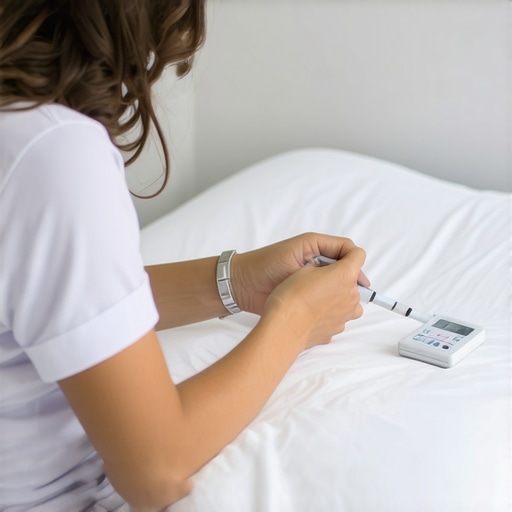
Why The Nighttime Ozempic Injection Benefits Are Overstated
You might think that switching to a nighttime Ozempic injection is the magic bullet for weight loss, but I argue that the hype disguises a much darker reality. Advertisements and clinics alike promise a quick fix—an easy shot to shed pounds while you sleep. But in truth, this is more akin to applying a band-aid over a sinking ship.
Many are lured by claims that the third-dose injection during night hours will turbocharge weight loss, claiming to unlock results that otherwise require months of dieting and exercise. The marketing machine loves to exploit that desire for instant gratification—yet the science tells another story: Ozempic’s true power isn’t in the timing; it’s in its mechanism. As I argued in how Ozempic works for weight loss, the drug’s effectiveness is rooted in its ability to mimic GLP-1, a hormone that suppresses appetite and slows gastric emptying. Shuffling dosing times doesn’t fundamentally change this process.
The Market is Lying to You
Vendors and clinics are inflating the benefits of nighttime injections to keep people hooked and spending. They play on patients’ impatience, suggesting that an injection at a certain hour creates a new, faster pathway to permanent weight loss. That’s simply not supported by evidence. As I’ve seen in doctor-supervised Ozempic treatments, the real results depend on consistency, diet, and lifestyle—timing is secondary at best.
The analogy is a game of chess where players think the timing of a single move defines the outcome. But in reality, your strategy—your overall plan—determines victory. Just like a grandmaster doesn’t rely on moving his pawn at midnight, you shouldn’t rely solely on when you inject Ozempic.
So, why are we still falling for this trick? Because the weight-loss industry profits from it—and unfortunately, so do the clinics and online suppliers. They sell hope wrapped in a shiny syringe, ignoring what the science shows: that sustainable weight loss demands a comprehensive approach—not a gimmick based on the clock.
The Evidence: Timing Is Just a Trick
When clinics tout the supposed benefits of nighttime Ozempic injections, they spin a convincing narrative. They claim that injecting during the night accelerates weight loss, that the body’s response is somehow heightened or faster after hours. But data shows otherwise. The pharmacokinetics of Ozempic reveal that its absorption and action are consistent regardless of the hour. The half-life, which is approximately one week, remains unaffected by injection timing. This undermines the claim that *nighttime* administration offers any distinct advantage—yet the marketing campaigns continue to exploit this illusion.
The Underlying Deception: Market Forces and Profit Motives
The real culprit is not science but *profit*. Pharmaceutical clinics and online suppliers have a keen interest in perpetuating this myth because it fuels demand. By convincing patients that specific timing amplifies effectiveness, they justify higher prices and more frequent injections. This creates a cycle where hope is sold, not medicine. It’s a clever strategy: make the customer believe that *the clock* is the key to success, and they’ll keep coming back, eager for the next ‘secret.’
Consider this: in the early days of weight-loss pills, manufacturers claimed that certain formulas worked better at specific times—morning or evening—yet science always showed the active ingredients’ effectiveness remained unchanged. The pattern repeats with Ozempic. The industry’s justification is rooted in *follow the money*—profiting from a false sense of urgency and tailored timing, which has no scientific basis but enormous financial benefit.
The Historical Parallel: The Weight-Loss Industry’s Past Flimflams
This isn’t new. Throughout history, weight-loss schemes have relied on *timing tricks*—fad diets promising overnight transformation or pills marketed as more potent if taken at certain hours. The fallout? Disappointment, wasted money, and compromised health. The industry’s persistent use of the timing myth echoes these past failures. Each time, the same pattern: promise quick results, exploit hope, and leave consumers with little more than false hope—and often, side effects.
The Root Cause: The Cult of Instant Gratification
The core issue isn’t merely industry deception. It’s society’s obsession with *instant* results. We demand quick fixes, fast solutions, and overnight miracles. This demand fuels misinformation, making it easier for clinics to sell illusions instead of science. The truth? Sustainable weight loss requires consistency, discipline, and lifestyle change—elements that can’t be wrapped in a syringe or timed for maximum effect. Yet, the industry caters to our impatience, disguising superficial tricks as groundbreaking strategies.
Another telling sign of this scam? The inflated claims surrounding *third-dose* nighttime injections. Some clinics boast that additional doses or altered schedules accelerate fat loss—yet research indicates that dose frequency beyond recommended levels offers diminishing returns at best. What does this tell us? That the entire premise hinges more on *perceived effectiveness* than genuine medical benefit.
Conclusion: Who Benefits, Who Suffers?
The beneficiaries are clear: the profit-driven clinics and suppliers, eager to capitalize on your desperation. They thrive on the illusion that timing is the magic. But your health and wallet suffer when false promises replace real science. The real power of Ozempic lies not in the hour you inject it but in consistent, medical-guided use combined with lifestyle changes. Everything else? Marketing smoke and mirrors—designed to keep you hooked and spending.
The Trap of Timing Myths
It’s understandable why many believe that injecting Ozempic during nighttime offers unique weight loss benefits. The allure of a simple shift in schedule is tempting—after all, we’ve been conditioned to think that timing matters immensely in health and medicine. This is especially true as clinics tout the supposed advantages of nocturnal injections. But that perspective misses the core issue.
The Reality: Timing Is Irrelevant
When examining the pharmacokinetics of Ozempic, it becomes clear that the half-life and absorption are unaffected by the time of day. The drug’s effects are consistent, regardless of whether it’s administered in the morning or at night. The idea that injecting at night somehow amplifies the drug’s efficacy is, frankly, a myth rooted more in marketing than science.
I used to believe that the timing could make a difference—until I dug deeper into the data. Clinical studies consistently show that the effectiveness depends on dosage and adherence, not on specific injection times. The notion that a nocturnal shot unlocks additional weight loss potential is a distraction, a mirage designed to sell more injections.
The Wrong Question Is Focused on Hours
Instead of asking whether nighttime injections are better, we should be asking: What truly influences weight loss outcomes? The answer is clear—consistent lifestyle changes, balanced diets, physical activity, and medical supervision. Focusing on the clock is a distraction, a red herring that diverts attention from what really works.
Clinics exploiting this myth are banking on our impatience and desire for quick fixes. They spin stories that a simple change in timing will accelerate results, but in reality, this is just a clever ploy to increase their profits, not a reflection of scientific truth.
The Market’s Illusion
Marketing campaigns thrive on the notion of “optimized” schedules, suggesting that the right timing unlocks hidden benefits. Clear evidence, however, shows that the pharmacological action remains steady across different injection times. The half-life of approximately one week ensures stable plasma levels, making the question of “when” moot.
What we’re dealing with is classic regulatory and industry manipulation. Some clinics promote nighttime injections because it justifies higher prices or more frequent visits. They leverage the false promise of “better results” to keep patients hooked and spending.
Critics Often Miss the Point
The common trap many fall into is thinking that the latest marketing pushes are grounded in science. I get it—I was there too, convinced that timing was everything. But once I examined the data and the clinical evidence, the truth became undeniable: the timing of Ozempic injections doesn’t matter. It’s about adherence, dosage, and lifestyle, not whether you inject at night or in the morning.
In essence, the obsession with timing distracts us from the real principles of sustainable weight loss. No magic hour exists—only consistent effort and evidence-based medical guidance.
The Cost of Inaction
If society continues to accept the myth that nighttime Ozempic injections offer superior weight loss benefits, we risk a future where the health crisis worsens, healthcare systems buckle under preventable burdens, and personal well-being is sacrificed on the altar of marketing lies. The long-term consequence of dismissing science and embracing profit-driven deception is not merely individual regret but a societal catastrophe. As obesity rates climb, misleading practices will inflate medical costs, increase chronic illnesses, and diminish quality of life for millions.
The Future We Face in Five Years
If neglecting this deception persists, we could see a world where quick-fix solutions become ingrained, undermining genuine health efforts. The rise of unsubstantiated timing tricks fuels a cycle of dependency, with patients chasing mirages instead of sustainable change. Healthcare resources will be diverted towards futile treatments, leaving vital funds and attention away from effective, evidence-based interventions. The trust in medical guidance erodes, replaced by skepticism fostered by manipulative marketing. This cultural shift risks creating a generation conditioned to seek shortcuts—damaging not only health outcomes but societal values around patience, discipline, and scientific integrity.
What Are We Waiting For
Delaying action allows these misconceptions to entrench further, making future healing more difficult and expensive. It’s like standing at a fork in the road while a wildfire approaches; ignoring the warning signs doesn’t make the danger disappear—only more destructive. The stakes are high: every moment we ignore the falsehoods surrounding Ozempic timing, we deepen the abyss that separates reality from myth, health from harm. We must confront the deception now, or risk a future where health care is hollowed out by greed and misinformation, leaving us ill-prepared for the true challenges ahead.
The Final Verdict: The timing of your Ozempic injection—day or night—does not influence its effectiveness. Science confirms that consistency and proper medical guidance matter more than clock-watching.
The Twist: The real power lies not in when you inject but in how you integrate Ozempic into a comprehensive weight-loss strategy rooted in lifestyle change, not marketing gimmicks.
Physician prescribed Ozempic and injectable weight loss solutions have become popular for their promise of effortless results. Yet, beneath the hype lies a simple truth: real progress depends on adherence and holistic care, not chasing a specific hour on the clock. Those clinics hawking the myth that nighttime injections accelerate fat loss are more interested in profits than science. The pharmacokinetics of Ozempic—its absorption, half-life, and action—remain unchanged regardless of injection time.
By falling for this timing myth, patients risk diverting focus from the core principles that truly influence weight loss—diet, exercise, and medical supervision. Evidence from studies and real-world data shows that these elements outperform any supposed advantage of nocturnal dosing. It’s a classic case of market forces exploiting societal impatience—treating hope as currency—and the cycle continues, leaving individuals frustrated and financially drained.
As we peer into the future, ignoring this deception could deepen our health crisis, inflate healthcare costs, and diminish trust in medical guidance. The profound lesson? Don’t let myths dictated by profit-seeking clinics determine your health journey. Instead, empower yourself with knowledge, adhere to scientifically proven methods, and challenge the industry’s manipulation. Because in the end, your health isn’t about the clock—it’s about your unwavering commitment to real, sustainable change.