
The Myth of the Miracle Weight Loss Drug Ends Here
Let’s cut through the noise—Ozempic isn’t some magic wand that transforms lives overnight. It’s a tool, a crutch, and for many, a dangerous distraction from real health. You might think that a prescription can replace hard work and discipline, but I argue that it’s merely a shiny Band-Aid slapped onto systemic issues we refuse to face.
As we stare down 2026, it’s crucial to recognize that relying solely on medications like Ozempic without cultivating healthy habits is a recipe for failure. The real transformation comes not from the drug itself, but from embracing changes that last a lifetime. So, why are so many still hoping pills will do the heavy lifting, ignoring the fundamental truths of wellness?
The Market is Lying to You
The weight loss industry is a giant illusion, feeding on desperation and misinformation. Promotional campaigns paint Ozempic as a quick fix, but the truth is far grittier. Side effects, dependency, and the risk of neglecting foundational health practices paint a different picture than the glossy ads suggest. If you’re waiting for a miracle, you’re likely waiting forever.
Instead, sustainable weight loss demands a different approach—one rooted in habits, not shortcuts. It’s about what you do daily, how you think about food, and how you move your body. Relying solely on telehealth prescriptions or clinics pushing the latest GLP-1 drug neglects this obvious truth. For those truly committed, sustainable change begins with you, not a vial.
Why This Fails
Use of Ozempic without accompanying lifestyle changes is like trying to build a house on sinking sand. It may yield initial results, but they’re often temporary. The minute the drug’s effects wear off or side effects set in, the weight comes back, sometimes worse than before. This pattern of yo-yo dieting and dependency is a trap, one I’ve seen countless times in clinics.
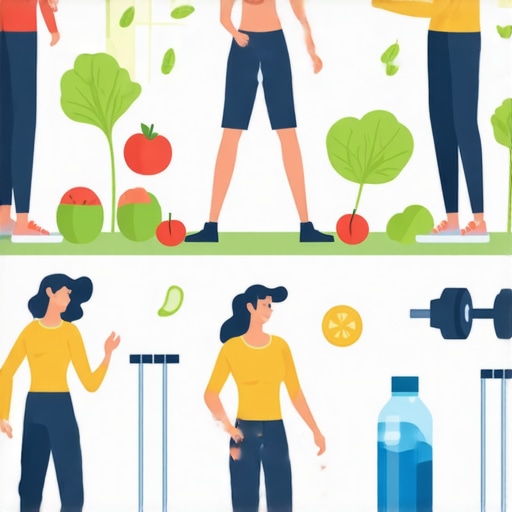
So, what needs to happen? We need to prioritize five key habits moving into 2026:
- Consistent Hydration—Forget fad diets; water is your ally.
- Balanced Nutrition—Prioritize whole foods over processed garbage.
- Daily Movement—No more excuses, just 20 minutes a day.
- Sleeps and Stress Management—Your hormones won’t lie.
- Mindful Eating—Listen to your body, not social media trends.
If we fail to acknowledge that these foundational habits matter more than any pill, we’re just spinning wheels. I’ve argued that the real secret to lasting weight loss isn’t found in a syringe but in the discipline we cultivate daily. For those serious about real change, I suggest exploring more about how to integrate these habits into your routine, because honestly, no clinical shortcut will save you from yourself.
Look ahead—2026 isn’t just about slimmer bodies; it’s about healthier minds, stronger bodies, and sustainable lifestyles. It’s time to stop relying on hype and start taking responsibility for your health.
The Evidence Against Ozempic as a Shortcut to Lasting Weight Loss
When examining the rise of Ozempic and its portrayal as a miraculous weight loss solution, one must ask: who benefits from the hype? The answer reveals a troubling pattern rooted in profits, influence, and misinformation. Behind the glossy advertisements and promising clinical trials lies a financial ecosystem designed to keep the illusion alive, regardless of the real health implications.
Big pharma and weight loss clinics stand to profit immensely from the obsession with quick fixes. According to industry reports, sales of GLP-1 receptor agonists like Ozempic have skyrocketed, driven by marketing campaigns that promise rapid results with minimal effort. However, these profits come at a cost. Clinical studies, such as those published in the New England Journal of Medicine, show that while these drugs can induce weight loss, the effects are often temporary without behavioral change. The data indicate a pattern – initial weight reduction averaging around 15%, but with a high relapse rate once the medication stops or side effects emerge.
Moreover, the risks associated with off-label use are significant. Side effects like nausea, pancreatitis, and potential dependency lurk beneath the surface of slick marketing. Many clinics and telehealth services are eager to push prescriptions, often sidelining the complex physiological and psychological factors that underpin sustainable weight management. By focusing solely on the drug, these providers sidestep the hard work of lifestyle modification, which evidence shows is essential for genuine, lasting health improvements.
What’s more illuminating is to follow the money—who profits when individuals chase after miracle cures? The pharmaceutical giants, the clinics, and telehealth services benefit from a cycle of dependency. They thrive on repeated prescriptions, repeat visits, and the cycle of hope and disillusionment. This financial stream fuels a narrative that is more about profits than genuine health outcomes, a modern manifestation of a long-standing medical-industrial complex that has historically prioritized medication sales over holistic care.
Consider the historical parallel with diet pills of the 1950s and 1960s, which promised rapid weight loss with minimal effort. Those pills—fen-phen, amphetamines—ended in disillusionment, health crises, and regulatory crackdowns. Yet, a new wave of similarly marketed drugs reemerged, repeating the cycle. The core issue isn’t the scientific efficacy but the profiteering that drives the narrative. When profit takes precedence over patient well-being, the result is a broken system that preys on desperation rather than delivering sustainable health.
Furthermore, the data points to a troubling reality: the most sustainable weight loss outcomes come from lifestyle change, not pharmaceuticals. Studies demonstrate that individuals who integrate daily movement, balanced nutrition, proper hydration, and stress management maintain their weight loss long-term. This truth is often brushed aside because it isn’t profitable or easy—things pharmaceutical companies cannot commodify quickly. Their solution is to offer a quick fix, which only delays the real work needed for health.
In this context, the real tragedy unfolds in the patients who believe a pill can do the heavy lifting for them. They are lulled into overconfidence and neglect the foundational elements of health. The drug may mask hunger or appetite, but it does nothing to rebuild habits or address psychological factors like emotional eating. The illusion persists because the financial incentives for selling pills overshadow the imperative to educate and empower individuals toward true lifestyle changes.
As we scrutinize the evidence, one thing becomes clear: Ozempic’s rise is less about medical breakthrough and more about maintaining a lucrative status quo. The evidence shows that dependency on pharmaceuticals without addressing systemic behaviors is a dead end. The real solution lies in rejecting quick fixes and embracing the unglamorous, disciplined work of health—because without it, the weight will rebound, and the cycle will continue.
Don’t Be Fooled by the Miracle Cure Hype
It’s understandable why many lean toward medication like Ozempic as a quick fix to weight management. The promise of rapid results, minimal effort, and the allure of modern medicine seem tempting in a society obsessed with shortcuts. Some critics argue that these drugs can serve as effective catalysts when combined with lifestyle changes, claiming they’re merely tools—not solutions—while maintaining that, if used responsibly, they can support long-term health.
They highlight potential benefits such as improved metabolic markers, appetite suppression facilitating dietary adherence, and the convenience of telehealth prescriptions that make access easier than ever. These perspectives aren’t entirely without merit; after all, for some individuals, medication can jumpstart healthier habits or temporarily ease emotional burdens connected to weight struggles.
The Counter to the Critique
While acknowledging these points, they often overlook two critical issues: dependency and superficial success. Relying on Ozempic as a primary strategy risks fostering dependency, where individuals equate their worth or health solely with pharmacological aid rather than sustainable habits. The idea that medication alone can sustain weight loss sidesteps the complexity of behavior change, psychological resilience, and systemic health factors—all of which are essential for enduring results.
Additionally, the perceived short-term benefits can mask underlying issues like emotional eating, hormonal imbalances, or socioeconomic barriers. Medication may suppress appetite temporarily, but it doesn’t address the root causes that lead to weight gain in the first place. When reliance on pills becomes the default, there’s a tendency to dismiss comprehensive approaches that include mindful eating, physical activity, stress management, and community support.
The Real Question Is Not About Quick Fixes
I’ve used to believe that medications like Ozempic could serve as a stepping stone towards healthier living, but I now see that this outlook is shortsighted. The crux isn’t whether they can support some degree of weight loss but whether they foster the discipline and systemic change needed to keep it off long-term. Quick fixes might provide momentary success, but they seldom teach the skills necessary for sustained health.
Instead of fixating on how to acquire or prescribe Ozempic, the focus should shift to fostering genuine habits—balanced nutrition, consistent movement, quality sleep, and stress reduction. Without these, any initial weight loss achieved through medication is likely to be temporary, casting doubt on claims of lifelong health improvements.
In the end, the question isn’t whether Ozempic can help some individuals—it’s whether anchoring health strategies to pills undermines our collective efforts to build resilient, informed, and empowered communities capable of lasting change. Until we grapple with that fundamental truth, we’re just treating symptoms, not curing the root causes of weight-related health issues.
The Cost of Inaction
If we continue to turn a blind eye to the honest realities of medications like Ozempic and neglect the importance of foundational habits, we’re steering ourselves toward a future fraught with health crises and social upheaval. The widespread reliance on quick-fix drugs without addressing systemic behavioral issues sets a dangerous precedent—one that threatens to overwhelm our healthcare systems and destabilize societal norms around wellness.
Imagine a society where millions depend solely on pharmaceutical silos to manage weight—disconnected from meaningful lifestyle changes. This dependency will inevitably lead to skyrocketing healthcare costs, resource shortages, and a generation conditioned to seek miracles rather than embracing effort. As obesity rates climb, the burden on hospitals and clinics will intensify, transforming health into a commodity accessible only to the privileged, deepening existing inequalities.
Moreover, mental health will suffer, as reliance on medication fosters an illusion of instant results, eroding resilience and personal responsibility. The erosion of discipline and motivation will cause a ripple effect—families, workplaces, and communities will suffer from increased chronic illnesses, depression, and loss of productivity. When health becomes commodified for profit, the collective burden falls harder on society’s most vulnerable, fueling a cycle that’s hard to break.
What are we waiting for?
If this trend persists unchecked, in five years, our world could resemble a landscape littered with broken promises and wasted potential. The promise of lightness and vitality will be replaced by dependency, with fewer individuals equipped with the tools for true health. Nature’s resilience—our innate capacity to heal and adapt—will be compromised, replaced by a culture of reliance on pills and prescriptions, forsaking the slow but vital work of habit formation.
This scenario is comparable to building a house on a fragile foundation of superficial fixes, only to watch it crumble under the weight of unaddressed issues. The cracks will widen, causing structural collapse that weakens societal health and personal well-being alike. Every unaddressed dependency widens the chasm, making recovery more difficult and expensive—both financially and emotionally. The societal costs in terms of increased mortality, mental health crises, and divide will be staggering.
Ignoring this prognosis is akin to ignoring the warning signs of an impending storm—rationalizing complacency because change is uncomfortable, until it’s too late. We stand at a crossroads, and the choice to neglect foundational health and behavioral change now will cost us dearly later. The question remains: how much damage must we accept before we realize that prevention—embodying discipline, knowledge, and systemic support—is the only sustainable path forward?
Let’s cut through the noise—Ozempic isn’t some magic wand that transforms lives overnight. It’s a tool, a crutch, and for many, a dangerous distraction from real health. You might think that a prescription can replace hard work and discipline, but I argue that it’s merely a shiny Band-Aid slapped onto systemic issues we refuse to face. As we stare down 2026, it’s crucial to recognize that relying solely on medications like Ozempic without cultivating healthy habits is a recipe for failure. The real transformation comes not from the drug itself, but from embracing changes that last a lifetime. So, why are so many still hoping pills will do the heavy lifting, ignoring the fundamental truths of wellness? The weight loss industry is a giant illusion, feeding on desperation and misinformation. Promotional campaigns paint Ozempic as a quick fix, but the truth is far grittier. Side effects, dependency, and the risk of neglecting foundational health practices paint a different picture than the glossy ads suggest. If you’re waiting for a miracle, you’re likely waiting forever. Instead, sustainable weight loss demands a different approach—one rooted in habits, not shortcuts. It’s about what you do daily, how you think about food, and how you move your body. Relying solely on telehealth prescriptions or clinics pushing the latest GLP-1 drug neglects this obvious truth. For those truly committed, sustainable change begins with you, not a vial. Use of Ozempic without accompanying lifestyle changes is like trying to build a house on sinking sand. It may yield initial results, but they’re often temporary. The minute the drug’s effects wear off or side effects set in, the weight comes back, sometimes worse than before. This pattern of yo-yo dieting and dependency is a trap, one I’ve seen countless times in clinics. So, what needs to happen? We need to prioritize five key habits moving into 2026: If we fail to acknowledge that these foundational habits matter more than any pill, we’re just spinning wheels. I’ve argued that the real secret to lasting weight loss isn’t found in a syringe but in the discipline we cultivate daily. For those serious about real change, I suggest exploring more about how to integrate these habits into your routine, because honestly, no clinical shortcut will save you from yourself. Look ahead—2026 isn’t just about slimmer bodies; it’s about healthier minds, stronger bodies, and sustainable lifestyles. It’s time to stop relying on hype and start taking responsibility for your health. When examining the rise of Ozempic and its portrayal as a miraculous weight loss solution, one must ask: who benefits from the hype? The answer reveals a troubling pattern rooted in profits, influence, and misinformation. Behind the glossy advertisements and promising clinical trials lies a financial ecosystem designed to keep the illusion alive, regardless of the real health implications. Big pharma and weight loss clinics stand to profit immensely from the obsession with quick fixes. According to industry reports, sales of GLP-1 receptor agonists like Ozempic have skyrocketed, driven by marketing campaigns that promise rapid results with minimal effort. However, these profits come at a cost. Clinical studies, such as those published in the New England Journal of Medicine, show that while these drugs can induce weight loss, the effects are often temporary without behavioral change. The data indicate a pattern – initial weight reduction averaging around 15%, but with a high relapse rate once the medication stops or side effects emerge. Moreover, the risks associated with off-label use are significant. Side effects like nausea, pancreatitis, and potential dependency lurk beneath the surface of slick marketing. Many clinics and telehealth services are eager to push prescriptions, often sidelining the complex physiological and psychological factors that underpin sustainable weight management. By focusing solely on the drug, these providers sidestep the hard work of lifestyle modification, which evidence shows is essential for genuine, lasting health improvements. What’s more illuminating is to follow the money—who profits when individuals chase after miracle cures? The pharmaceutical giants, the clinics, and telehealth services benefit from a cycle of dependency. They thrive on repeated prescriptions, repeat visits, and the cycle of hope and disillusionment. This financial stream fuels a narrative that is more about profits than genuine health outcomes, a modern manifestation of a long-standing medical-industrial complex that has historically prioritized medication sales over holistic care. Consider the historical parallel with diet pills of the 1950s and 1960s, which promised rapid weight loss with minimal effort. Those pills—fen-phen, amphetamines—ended in disillusionment, health crises, and regulatory crackdowns. Yet, a new wave of similarly marketed drugs reemerged, repeating the cycle. The core issue isn’t the scientific efficacy but the profiteering that drives the narrative. When profit takes precedence over patient well-being, the result is a broken system that preys on desperation rather than delivering sustainable health. Furthermore, the data points to a troubling reality: the most sustainable weight loss outcomes come from lifestyle change, not pharmaceuticals. Studies demonstrate that individuals who integrate daily movement, balanced nutrition, proper hydration, and stress management maintain their weight loss long-term. This truth is often brushed aside because it isn’t profitable or easy—things pharmaceutical companies cannot commodify quickly. Their solution is to offer a quick fix, which only delays the real work needed for health. In this context, the real tragedy unfolds in the patients who believe a pill can do the heavy lifting for them. They are lulled into overconfidence and neglect the foundational elements of health. The drug may mask hunger or appetite, but it does nothing to rebuild habits or address psychological factors like emotional eating. The illusion persists because the financial incentives for selling pills overshadow the imperative to educate and empower individuals toward true lifestyle changes. As we scrutinize the evidence, one thing becomes clear: Ozempic’s rise is less about medical breakthrough and more about maintaining a lucrative status quo. The evidence shows that dependency on pharmaceuticals without addressing systemic behaviors is a dead end. The real solution lies in rejecting quick fixes and embracing the unglamorous, disciplined work of health—because without it, the weight will rebound, and the cycle will continue. It’s understandable why many lean toward medication like Ozempic as a quick fix to weight management. The promise of rapid results, minimal effort, and the allure of modern medicine seem tempting in a society obsessed with shortcuts. Some critics argue that these drugs can serve as effective catalysts when combined with lifestyle changes, claiming they’re merely tools—not solutions—while maintaining that, if used responsibly, they can support long-term health. While acknowledging these points, they often overlook two critical issues: dependency and superficial success. Relying on Ozempic as a primary strategy risks fostering dependency, where individuals equate their worth or health solely with pharmacological aid rather than sustainable habits. The idea that medication alone can sustain weight loss sidesteps the complexity of behavior change, psychological resilience, and systemic health factors—all of which are essential for enduring results. Additionally, the perceived short-term benefits can mask underlying issues like emotional eating, hormonal imbalances, or socioeconomic barriers. Medication may suppress appetite temporarily, but it doesn’t address the root causes that lead to weight gain in the first place. When reliance on pills becomes the default, there’s a tendency to dismiss comprehensive approaches that include mindful eating, physical activity, stress management, and community support. I’ve used to believe that medications like Ozempic could serve as a stepping stone towards healthier living, but I now see that this outlook is shortsighted. The crux isn’t whether they can support some degree of weight loss but whether they foster the discipline and systemic change needed to keep it off long-term. Quick fixes might provide momentary success, but they seldom teach the skills necessary for sustained health. Instead of fixating on how to acquire or prescribe Ozempic, the focus should shift to fostering genuine habits—balanced nutrition, consistent movement, quality sleep, and stress reduction. Without these, any initial weight loss achieved through medication is likely to be temporary, casting doubt on claims of lifelong health improvements. In the end, the question isn’t whether Ozempic can help some individuals—it’s whether anchoring health strategies to pills undermines our collective efforts to build resilient, informed, and empowered communities capable of lasting change. Until we grapple with that fundamental truth, we’re just treating symptoms, not curing the root causes of weight-related health issues. If we continue to turn a blind eye to the honest realities of medications like Ozempic and neglect the importance of foundational habits, we’re steering ourselves toward a future fraught with health crises and social upheaval. The widespread reliance on quick-fix drugs without addressing systemic behavioral issues sets a dangerous precedent—one that threatens to overwhelm our healthcare systems and destabilize societal norms around wellness. Imagine a society where millions depend solely on pharmaceutical silos to manage weight—disconnected from meaningful lifestyle changes. This dependency will inevitably lead to skyrocketing healthcare costs, resource shortages, and a generation conditioned to seek miracles rather than embracing effort. As obesity rates climb, the burden on hospitals and clinics will intensify, transforming health into a commodity accessible only to the privileged, deepening existing inequalities. Moreover, mental health will suffer, as reliance on medication fosters an illusion of instant results, eroding resilience and personal responsibility. The erosion of discipline and motivation will cause a ripple effect—families, workplaces, and communities will suffer from increased chronic illnesses, depression, and loss of productivity. When health becomes commodified for profit, the collective burden falls harder on society’s most vulnerable, fueling a cycle that’s hard to break. If this trend persists unchecked, in five years, our world could resemble a landscape littered with broken promises and wasted potential. The promise of lightness and vitality will be replaced by dependency, with fewer individuals equipped with the tools for true health. Nature’s resilience—our innate capacity to heal and adapt—will be compromised, replaced by a culture of reliance on pills and prescriptions, forsaking the slow but vital work of habit formation. This scenario is comparable to building a house on a fragile foundation of superficial fixes, only to watch it crumble under the weight of unaddressed issues. The cracks will widen, causing structural collapse that weakens societal health and personal well-being alike. Every unaddressed dependency widens the chasm, making recovery more difficult and expensive—both financially and emotionally. The societal costs in terms of increased mortality, mental health crises, and divide will be staggering. Ignoring this prognosis is akin to ignoring the warning signs of an impending storm—rationalizing complacency because change is uncomfortable, until it’s too late. We stand at a crossroads, and the choice to neglect foundational health and behavioral change now will cost us dearly later. The question remains: how much damage must we accept before we realize that prevention—embodying discipline, knowledge, and systemic support—is the only sustainable path forward? This is the wake-up call that history and science sound. Resistance is futile if we refuse to change, and in the end, the true cost will be our collective health and future. We either prioritize real, disciplined living or accept the consequences of dependence and decay.The Market is Lying to You
Why This Fails
The Evidence Against Ozempic as a Shortcut to Lasting Weight Loss
Don’t Be Fooled by the Miracle Cure Hype
The Counter to the Critique
The Real Question Is Not About Quick Fixes
The Cost of Inaction
What are we waiting for