
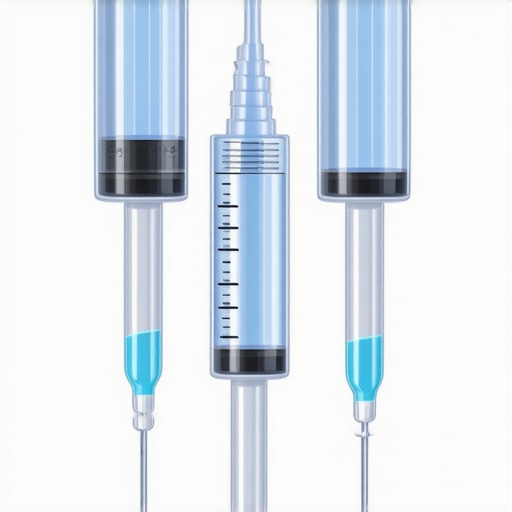
The Coming Wave of Weight Loss Injectables Is a Mirage
If you believe that the latest injectable weight loss drugs for 2026 are the breakthrough we’ve been waiting for, think again. In fact, it’s a well-orchestrated spectacle designed to distract you from the hard truths about accessibility, efficacy, and the real costs involved. The hype around these options is just that—hype.
My stance? These so-called “new” injectables are less of a revolution and more of a reinvention of a broken system that pushes medication as the ultimate solution—without addressing fundamental issues like affordability or long-term health. So, before you line up for the newest shiny objects, ask yourself: Are you really getting a genuine solution, or just another marketing tactic?
The Market Is Lying to You
Let’s cut through the jargon. These injectables—Ozempic, Wegovy, and the recent contenders—are not magic potions. They are drugs, products of a system that profits from dependency, not permanent health. As I pointed out in the article Ozempic vs Wegovy for weight loss, the real difference lies in marketing, not efficacy.
And here’s the brutal truth: these medications are being sold to you at a premium, often through prescription channels that prioritize profits over access. Medical weight loss using Ozempic is available, but at what cost? Have you checked the Ozempic cost for weight loss? It’s not cheap, and insurance coverage varies wildly.
Why This Fails Most People
Injectables aren’t a cure-all. I challenge you to consider whether they address the root causes of weight gain—poor diet, sedentary lifestyles, psychological factors. Because if they don’t, you’re simply delaying the inevitable. You might think this is a shortcut, but it’s a game of chess where you always end up in checkmate. Side effects and long-term risks are often downplayed, and the focus remains on quick fixes.
Injectables like Ozempic are part of a broader problem—a healthcare approach that medicates instead of motivating. For many, prescription weight loss is just another transaction, not a pathway to lasting health.
The Evidence Undermining the Promises
When examining the promises made by new weight loss injectables like Ozempic and Wegovy, the evidence quickly reveals a pattern of overstatement. Clinical trials often report average weight loss of approximately 15% of initial body weight, but this figure is misleading. It masks significant individual variability and the reality that many patients see minimal or temporary results. Moreover, these drugs are evaluated over short periods, leaving long-term efficacy and safety in shadow. This disconnect highlights a critical flaw: the presented evidence is carefully curated to support marketing rather than depict real-world outcomes.
The Root of the Deception
It’s no coincidence that these medications flood the market just as obesity rates soar and public health initiatives stagnate. The problem isn’t simply the drugs themselves; it’s the overarching systemic failure to address the true causes of weight gain—poor diet, sedentary lifestyles, and psychological factors. The pharmaceuticals serve as a band-aid, not a cure. The misconception that a weekly injection can replace lifestyle changes ignores the complex roots of obesity, thereby perpetuating a cycle of dependency and temporary fixes.
The Financial Web Weave
Follow the money, and the smoking gun is revealed. Pharmaceutical companies stand to profit immensely from these drugs, especially as they expand into new markets and receive regulatory endorsements. The prices are inflated—$1,300 per month is typical—making them inaccessible to most, effectively creating a two-tier system where only the wealthy can afford these quick-fix solutions. Insurance companies and healthcare providers also benefit, as the drugs generate ongoing revenue, further entrenching the current model of medicated weight loss.
Why the Hype Is a Smokescreen
The marketing blitz creates an illusion of revolutionary progress, but beneath the surface, it’s a calculated effort to sustain a broken system. The depiction of weight loss as a simple pharmacological intervention ignores the evidence that sustainable health requires comprehensive lifestyle changes. This narrative shifts focus from personal responsibility and systemic reform to individual dependence on costly medications, reinforcing existing economic interests.
The Long-Term Risks Overlooked
Long-term safety profiles of these drugs remain uncertain. Reports of gastrointestinal issues, pancreatitis, and potential links to thyroid cancer are underplayed. The appeal of quick results fuels demand, but at what future cost? Short-term gains come with a shadow of unknown long-term health consequences, a gamble few are truly aware of or willing to question.
In conclusion, the rise of weight loss injectables is less a revolution than a reflection of systemic failure—an elaborate illusion designed to sustain a profit-driven apparatus cloaked in health-conscious rhetoric. As we witness this spectacle, understanding the underlying dynamics becomes essential to challenging the narrative and seeking genuine solutions.
The Critics Are Missing the Bigger Picture
It’s easy to see why many opponents of weight loss injectables like Ozempic and Wegovy focus on the potential risks, costs, and shortfalls of these medications. The narrative they craft warns against quick fixes and underscores systemic flaws. I used to believe this caution was justified—until I realized it sidesteps a more profound issue.
The Trap of Isolating the Medication
Many critics argue that these drugs are merely Band-Aids hiding deeper problems such as unhealthy lifestyles or economic inequalities. While it’s true that weight management involves complex factors, this perspective falls into a trap. It implies that medication should be entirely dismissed because it doesn’t fix root causes, ignoring its role as a tool—not the solution—to help those struggling to lose weight while navigating a society that often undermines health efforts.
What it overlooks is that millions grapple with obesity under conditions shaped by food deserts, sedentary jobs, and psychological stressors. To dismiss pharmacotherapy altogether is to ignore real human suffering and the limited options currently available for many individuals. Dismissing these drugs outright also risks neglecting the immediate benefits they provide to individuals desperately seeking relief from a weight that hampers their health and quality of life.
The Challenge to the Opponents
But let’s be honest: the best argument against weight loss injectables isn’t that they are perfect; it’s that systemic reform is necessary. Critics often forget that these medications are stopgap measures, not replacements for broader societal change. Their real worry should be how these drugs are integrated into a comprehensive approach—including diet, exercise, mental health, and socioeconomic support—not treating them as standalone solutions.
For instance, the focus on pharmacology diverts attention from the urgent need to reform food policies and urban planning that influence individual health. Yet, critics tend to frame their opposition either as outright rejection or as a call for more holistic solutions, both of which are valid but incomplete. The real challenge is to recognize that pharmacotherapy can play a vital role within a broader, systemic framework, not as an obstacle or a villain.
A Direct Challenge
The question isn’t whether weight loss drugs are inherently good or bad, but how society balances their use with fundamental changes. Are we willing to integrate these tools responsibly, acknowledging their limitations while supporting policies that promote healthy environments? Or will we continue to oppose them without considering their potential for immediate relief, especially for those facing serious health risks due to obesity?
Honestly, I used to believe that any reliance on medication was a sign of failure. But that’s shortsighted. It ignores the reality that today’s health challenges demand multi-layered solutions, where medications like Ozempic can serve as an important bridge—until societal and lifestyle changes can catch up.
In the end, dismissing weight loss injectables solely because they don’t solve every problem ignores the nuanced truth: they are part of a spectrum of interventions needed to combat a complex epidemic. Denying their value without addressing systemic flaws is a mistake that hampers progress both medically and socially.
The Cost of Inaction
If we continue to dismiss the warnings about weight loss injectables like Ozempic and Wegovy, we risk plunging into a future riddled with health crises, economic chaos, and social upheaval. These drugs are more than just a quick fix—they are symptomatic of a system that prizes profit over patient well-being. Ignoring the mounting evidence and urgent calls for systemic reform sets the stage for disaster. As obesity rates soar and the associated health conditions become unmanageable, our healthcare infrastructure could buckle under the weight of preventable chronic diseases.
Picture a ticking time bomb, silently counting down. Every delay in addressing the systemic flaws that make these drugs attractive—such as accessibility issues, inflated costs, and superficial treatment of underlying causes—brings us closer to an explosion of health emergencies. If society continues to chase after pharmacological band-aids without confronting the root issues—poor diets, sedentary lifestyles, psychological stress—we’re only prolonging the inevitable, with devastating consequences.
The Future Unveiled in Five Years
Should this trend persist unchecked, the world in five years may resemble a landscape dominated by dependency on costly medications, where health outcomes are dictated by economic privilege rather than equitable access or comprehensive care. The widening chasm between the rich and the poor in healthcare could become an insurmountable barrier, leaving millions trapped in cycles of temporary relief and mounting side effects. Healthcare systems, already strained, might collapse under the weight of preventable illnesses exacerbated by neglecting holistic solutions.
Beyond the physical toll, this dependence on medications like Ozempic could spawn a societal shift towards acceptance of medication as the default response—a dangerous normalization that strips away individual agency and responsibility. Public health initiatives could become sidelined, replaced by a reliance on pharmaceutical solutions that do little to address the socio-economic and environmental determinants of health. In this dystopian scenario, the true cost transcends dollars; it erodes the very fabric of community well-being and long-term sustainability.
What Are We Waiting For
Is it too late to reverse course? Or are we still on the brink of choosing a different path? Just as ignoring warning signals in a storm leads to catastrophe, neglecting the implications of our current trajectory will only deepen the crisis. The opportunity to shift gears—to prioritize systemic change, affordable access, and genuine health—remains within reach, but only if decisive action is taken now. We must recognize that the choices we make today will define the health of generations to come. The question is: are we willing to face the truth and act accordingly? Or will we allow inertia to seal our fate?
***
The Coming Wave of Weight Loss Injectables Is a Mirage
If you’re convinced that the latest injectable weight loss drugs for 2026—like Ozempic and Wegovy—are the breakthrough solutions we’ve desperately needed, it’s time to reconsider. This spectacle is a smoke screen designed to distract from the harsh realities of accessibility, efficacy, and the true costs involved. The hype? Pure illusion.
These so-called innovations are not revolutionary but a slick reinvention of a system that profits from dependency, not permanent health. The promise of a miracle drug masks systemic failure: addressing fundamental issues like affordability and long-term safety remains an afterthought. Before you queue up for the next shiny object, ask yourself—are you embracing genuine progress or falling for marketing tricks?
The Market Is Lying to You
The truth is plain: drugs like Ozempic and Wegovy are not magic bullets. They are products of a profit-driven machine that benefits from patient dependency. As highlighted in this comparison of GLP-1 drugs, efficacy is often exaggerated by marketing rather than real-world outcomes. The high price tags—sometimes over $1,300 a month—make access a privilege for the few, reinforcing a two-tier system that widens inequalities.
Why This Fails Most People
Injectables are not a cure for root causes—poor diets, sedentary lifestyles, psychological stress. Relying on these medications can be likened to playing chess with checkmate already on the board. Their side effects and long-term risks, often minimized, are documented in this resource. They serve as band-aids, not solutions, perpetuating a cycle where dependence replaces personal responsibility and systemic reform.
The Evidence Is a House of Cards
Clinical trials tout average weight loss of about 15% of initial body weight, but the devil is in the details. Variability, minimal results for many, and short evaluation periods obscure the truth. This curated evidence favors marketing over reality, leaving long-term safety in shadows—where risks like pancreatitis or thyroid issues are downplayed. It echoes my plea: the real value of these drugs is suspect, and reliance on them is a gamble.
The Roots of Deception
The flood of these medications coincides with soaring obesity and stagnating public health. It’s no accident—they’re a bandaid for systemic neglect. Clearing the systemic hurdles—food deserts, urban design, socioeconomic inequalities—requires more than weekly injections. Relying solely on pharmacotherapy ignores the complex roots of obesity, fostering dependency and superficial fixes.
The Financial Web and Its Threads
Follow the money, and a stark picture emerges. Pharma giants stand to profit immensely, inflating prices and expanding markets. Insurance coverage is patchy at best, creating barriers that keep these drugs out of reach for many. Ongoing revenues for healthcare institutions only entrench the current medicated paradigm—much like this overview suggests.
Hype Versus Reality
The marketing blitz cloaks a broken system, presenting weight loss as a pharmacological miracle. But sustainable health depends on lifestyle—diet, exercise, mental well-being. Turning the spotlight on dependency distracts from reform, embedding reliance on costly medications that serve corporate interests more than patient well-being.
The Hidden Long-Term Risks
Unknown and potentially grave side effects linger beneath the surface. Gastrointestinal issues, pancreatitis, thyroid cancers—these are often dismissed in favor of quick results. The rush for immediate gratification can lead to future health crises, a gamble that many are ill-equipped to assess or confront.
Systemic failure is glaring. This spectacle magnifies a healthcare approach that medicates instead of motivates, that treats symptoms rather than causes. The narrative must shift—away from dependence and towards proactive, systemic change.
The Critics Are Missing the Larger Picture
Critics focus on risks, costs, flaws often overlooking a bigger challenge: societal reform. While they rightly demand caution, dismissing pharmacology outright neglects its potential role as a temporary bridge—an interim measure in our fight against obesity. As detailed in this resource, medication can be a vital component when integrated responsibly within a broader systemic reform.
The Trap of Dismissing Medications
Many argue these drugs are mere Band-Aids, ignoring the suffering of millions trapped in environments that sabotage health. To dismiss them entirely is to dismiss an urgent opportunity to alleviate immediate suffering, especially when lifestyle changes are out of reach for many due to food deserts, work stress, or psychological factors. They serve as an imperfect but necessary tool—until societal reforms catch up.
Your Move
Understanding that the battle against obesity isn’t won solely through pills but through systemic overhaul is vital. Are we willing to responsibly harness these medications, recognizing their limitations while pushing for broader change? Ignoring their potential benefits or dismissing them altogether blinds us to opportunities for immediate relief for those in dire need. As I urge in this guide, the future depends on our willingness to face reality and act decisively.
The Bottom Line
The rise of weight loss injectables in 2026 is less a revolution—more a reflection of systemic failure. For real progress, we must look beyond the drug shelf and into the societal structures that foster obesity. Embracing responsible pharmacotherapy as part of a comprehensive approach is not weakness but wisdom. The challenge is clear: will we continue to chase quick fixes or confront the root causes with courage and candor? The choice you make today shapes the health of generations tomorrow. Are you ready to face the truth and demand real change?