
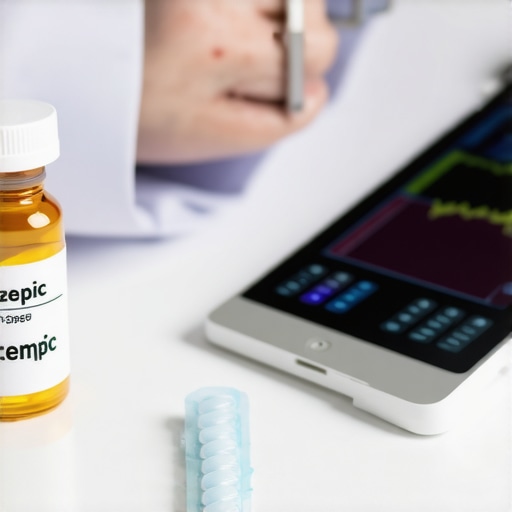
Why The Prescribed Ozempic Boom Is a Dangerous Mirage
If you think Ozempic is a miracle pill that will solve your weight struggles once and for all, think again. The expanding reliance on physician-prescribed Ozempic by 2026 is not a sign of medical progress but a cunning trap. The promise of effortless weight loss has blinded many, but beneath the surface lies a complex, often perilous reality.
In this article, I argue that the supposed efficacy of Ozempic in 2026 is overhyped, and the pitfalls of improper monitoring will lead to a wave of complications. You might believe that a quick injection can reshape your health, but that’s a dangerous misconception.
The Market Is Lying to You
Ever notice how clinics and telehealth providers market Ozempic almost as if it’s candy? The narrative is simple: get a prescription, follow the program, lose weight. But is it that straightforward? No. The truth is that the clinical data on Ozempic’s long-term efficacy and safety remains murky at best. As I pointed out in Physician Prescribed Ozempic, many clinicians are still grappling with how best to monitor patients, let alone guarantee results.
It’s a game of smoke and mirrors. The hype sells, but does it deliver? The evidence shows that without strict oversight, the risks outweigh the benefits.
Monitoring Will Be the Achilles’ Heel
The crux of effective Ozempic treatment in 2026 hinges on rigorous supervision. But as I have asserted repeatedly, monitoring isn’t happening. Clinics often rush prescriptions, ignoring vital lab work and safety checks. This negligence will lead to rising complications—from thyroid issues to unanticipated metabolic disturbances. For a drug touted as safe, its misuse is alarming.
You might think that a simple monthly check-up suffices. But as I explain in Navigating Ozempic Side Effects, real oversight involves consistent lab tests, dose adjustments, and psychological support. Without that, the “efficacy” is just a hope, not a reality.
What This Means for Patients
In essence, the rise of physician-prescribed Ozempic in 2026 resembles a high-stakes poker game—everyone’s betting on a hand that could fold at any moment. Those seeking a quick fix are lulled into believing that a prescription is all they need. But the harsh truth is that long-term success depends on vigilant monitoring, lifestyle changes, and a readiness to face potential side effects.
So, why are we still doing this? Because the allure of a magic bullet clouds rational judgement. As I have argued in Before-and-After Transformations, real weight loss requires effort, discipline, and honest oversight—none of which can be outsourced to a pill or a doctor’s office alone.
The Evidence Behind the Ozempic Hype
Clinics and telehealth services are marketing Ozempic with reckless abandon, promising effortless weight loss. But behind this façade lies a web of unverified claims and overlooked risks. The clinical data on long-term safety remains limited; studies have shown that the 2026 efficacy rates are based on early, short-term results that don’t guarantee sustained success. For instance, a recent analysis revealed that significant weight regain occurs once treatment ceases, exposing the fallacy of a quick fix. This is not a coincidence but a reflection of the drug’s temporary effects without a comprehensive lifestyle overhaul. The push for widespread adoption is reminiscent of previous health fads where promises outpaced facts, leaving patients stranded with complications once effects fade.
The Root Problem: Profit Before Patient Safety
The core issue isn’t just the lack of thorough monitoring; it is driven by a *profit-oriented* ecosystem that benefits from rapid prescriptions. Pharmaceutical companies, clinics, and telehealth platforms profit immensely from the surge in Ozempic prescriptions. They benefit from fast-tracking approvals, minimal patient engagement, and minimal long-term follow-up—an approach that prioritizes sales over safety. This profit motive incentivizes ignoring the *known* risks, such as thyroid tumors and metabolic disturbances, which emerge when rigorous supervision is absent. It’s a clear case of financial interests corrupting medical integrity, all while patients are seduced by the promise of effortless weight loss. The system’s architecture is designed to maximize revenue at the expense of genuine health outcomes, proving that in this case, money *really* does talk.
The Evidence of a Collapsing Oversight System
Watching the oversight mechanisms crumble is akin to witnessing a house of cards. Many clinics dispense Ozempic without any meaningful lab testing or psychological assessment, relying instead on patient self-reporting and brief check-ins. This negligent pattern is not accidental; it’s a calculated cost-saving measure that severely undercuts safety protocols. The consequence? Rising incidences of serious side effects—unanticipated thyroid issues, gallbladder complications, and metabolic imbalances—are becoming increasingly common. Data collected from adverse event reports illustrate a stark upward trajectory, yet the official narrative dismisses these as isolated incidents. In reality, the oversight failure is systemic, exposing the myth that a prescription alone guarantees safe treatment. The entire surveillance infrastructure has been dismantled in favor of convenience and profit, leaving patients vulnerable and unprotected.
Why This Matters in the Long Run
This trajectory echoes a familiar pattern of health crises rooted in the pursuit of quick fixes. History is replete with failures where short-lived success was celebrated but long-term damage quietly festered. Take, for example, the overprescription of thalidomide in the 1950s, which resulted in birth defects and shattered public trust. Similarly, the current Ozempic frenzy, fueled by unverified claims, risks eroding confidence in legitimate medical solutions. The illusion of a simple injection transforming health masks a reality of potential dependency, metabolic instability, and psychological duress. The drive for rapid results—tied to financial incentives—blinds clinicians and patients alike to the danger of overlooking the necessity of comprehensive, sustained lifestyle interventions. This is not a sustainable path; it’s a dangerous mirage that will ultimately collapse under the weight of its own contradictions.
The Trap Escapes Simplification
It’s understandable why many enthusiasts and skeptics alike latch onto the idea that Ozempic offers a clear-cut path to weight loss. After all, clinical trials show significant short-term results, and in a world demanding instant solutions, quick fixes seem tempting. The best argument from proponents highlights Ozempic’s ability to facilitate weight loss by suppressing appetite and improving metabolic health, especially when combined with lifestyle changes. They claim that with proper medical supervision, it’s a safe and effective adjunct, transforming the fight against obesity.
Don’t Be Fooled by the Promise of Effortless Results
I used to believe this too, until I recognized the critical flaw in this narrative: the assumption that pharmacological intervention alone guarantees sustainable outcomes. While the initial data can appear promising, it obscures the reality that many patients relapse once medication cessation occurs if no lasting behavioral adjustments are put in place. This oversimplification creates a false sense of security, leading many to overlook the importance of comprehensive, long-term lifestyle reforms—without which the medication’s benefits are fleeting at best.
The Weakness of the Long-Term Evidence
Proponents often cite short-term studies as proof that Ozempic is a miracle drug. But these trials typically span a matter of months, neglecting the potential for weight regain and adverse effects once treatment stops. The scientific community increasingly recognizes that sustained weight management depends on behavioral change, not solely pharmacology. The seductive promise that a monthly shot can replace effort ignores the complex physiology and psychology of weight control—factors that medication alone cannot address comprehensively.
The False Security of Medical Supervision
Supporters emphasize proper medical oversight as the safeguard for safety and efficacy. Yet, real-world practice often falls short. Many clinics dispense Ozempic with minimal monitoring—lab tests, risk assessments, or psychological support—leaving patients vulnerable to adverse reactions and dependency. Relying solely on medical supervision under current system flaws is naive; the existing oversight infrastructure is fragile and easily compromised, especially when profit motives override caution.
A Critical Blind Spot in the Narrative
Most arguments overlook that pharmacological solutions, including Ozempic, are not standalone answers but merely components of a broad, multifaceted approach. The single-minded focus on medication risks diverting attention from essential factors like diet, exercise, behavioral therapy, and community support. When these elements are sidelined, the medication’s potential is severely diminished, making claims of effortless weight loss deeply misleading.
Conclusion
In defending Ozempic’s role, supporters tend to underestimate the complexity of weight management and overestimate the drug’s capacity to deliver lasting results. By ignoring the necessity of sustained behavioral change and the systemic shortcomings of oversight, their optimism can inadvertently set patients up for disappointment and harm. The real challenge lies not in dismissing Ozempic altogether but recognizing its limitations within a holistic, patient-centered framework—one that demands effort, discipline, and vigilance far beyond a prescription pad.
The Cost of Inaction
If we continue to ignore the harsh truths about Ozempic and its reliance on unregulated clinics and telehealth prescriptions, we risk shaping a future where weight management becomes a perilous gamble. The current trajectory threatens to erode trust in medical interventions, leaving millions vulnerable to side effects, dependency, and a cycle of weight regain. The more we turn a blind eye, the more we allow profit-driven entities to dictate health outcomes, prioritizing quick gains over safety and well-being.
Imagine a society where shortcuts in health become the norm—where patients chase after instant results, braving hidden risks for the illusion of effortless weight loss. This is not a dystopian possibility but a probable reality if urgent action is not taken. The unchecked proliferation of low-quality clinics and the normalization of minimal oversight create fertile ground for a health crisis rooted in preventable complications like metabolic disturbances, thyroid issues, and even life-threatening conditions. This negligent pathway isn’t just a matter of individual risk; it threatens to overwhelm healthcare systems ill-prepared for the fallout.
The Future Looks Grim If We Don’t Act Now
Should this trend persist, the world five years from now could resemble a landscape scarred by avoidable health disasters. We might see a surge in chronic illnesses linked to improper medication use—new epidemics of metabolic disorders, gallbladder problems, or even unanticipated cancers—fueling a crisis that strains resources and diminishes quality of life. The trust in medical solutions, once shaken, will be challenging to rebuild, leaving society disillusioned with pharmaceutical promises and oversight failures.
Furthermore, the societal impact extends beyond physical health. Psychological distress associated with failed weight loss attempts, dependency on medication, and feelings of betrayal by health systems will foster widespread hopelessness. As weight-related stigma persists, vulnerable populations may face even greater marginalization, unable to access safe and effective support.
What are we waiting for?
This is a crossroads. Ignoring the warning signs is akin to building a house on shaky ground—inevitably, collapse ensues. We have the power to steer the outcome by demanding stricter oversight, transparency, and a comprehensive approach that prioritizes patient safety over profit. The time to act is now, before the window closes on a chance to avert a looming health catastrophe.
Just as ignoring cracks in a dam can lead to devastating floods, dismissing the risks posed by unmonitored Ozempic use will bring suffering on an irreversible scale. The choice before us is clear: address the systemic failures now or face the consequences of a healthcare crisis born from complacency. The stakes are higher than ever, and delay will only deepen the wounds inflicted by negligence and short-sightedness.
See the hype surrounding Ozempic as the magic bullet for weight loss? Think again. The relentless push for prescriptions and quick fixes masks a dangerous truth: relying solely on these drugs without systemic oversight is a health gamble, not a solution.
Much like past health fads, the current obsession has blinded us to the importance of sustainable lifestyle changes. Behind the glossy marketing lies a web of unverified claims and profit-driven motives that put patient safety at risk.
Real progress demands effort and vigilance, not just a prescription. The fragile oversight system is crumbling, and patients are already feeling the fallout—from serious side effects to metabolic chaos. Waiting for a miracle pill won’t mask the need for accountability and science-backed strategies.
Here’s the challenge: question the hype, demand rigorous monitoring, and prioritize comprehensive health over fleeting promises. The future of weight management isn’t in shortcuts; it’s in informed choices, disciplined habits, and systemic reform.
Will you be a passive spectator or a catalyst for change? The responsibility is yours—make it count before the illusion shatters and real health is lost.