
The Myth of Easy Weight Loss with Ozempic
If you think you can just walk into a pharmacy or click a button online to get Ozempic for weight loss in 2026, you’re dreaming. The truth is, this drug isn’t some magic bullet waiting for your eager hands. It’s a potent, doctor-prescribed medication with real risks—and the era of casual prescribing is over. Yet, somehow, many still believe that obtaining Ozempic is a simple matter of online orders or health hacks. That naive thinking ignores a brutal truth: this is a medical treatment that demands responsibility, not convenience.
In this article, I will argue that trying to get Ozempic without proper medical oversight is reckless. The landscape is shifting, regulations are tightening, and in 2026, the stakes are higher than ever. If you want safe, sustainable weight loss with Ozempic, you need to understand the game in its raw form—medical guidance, ethical sourcing, and a clear understanding of the risks involved. Otherwise, you’re gambling your health on a fantasy.
The Market is Lying to You
Let’s face it: the hype surrounding Ozempic and other GLP-1 drugs is massive. From influencers claiming instant success to unchecked online platforms offering “prescriptions,” the messaging often skews dangerously naive. But the truth is, the market is deliberately misleading. Suppliers want your money, not your safety. They promote convenience over caution, promising miracle results while sidestepping medical standards.
In 2026, regulations will be tighter, but the underground market will still thrive. The question is, why are so many willing to risk their health just to skip the line? That’s like trusting a shady pawn shop for a vital organ. If you want to truly get Ozempic safely, you must go through licensed healthcare providers who understand your individual health profile. A quick online order or a cheap, off-label import isn’t just risky—it’s irresponsible. For an authoritative guide, see this resource.
Stop Falling for the Illusions of Quick Fixes
The allure of rapid weight loss often blinds people to the brutal reality. Ozempic isn’t a miracle; it’s part of a comprehensive program that includes diet, exercise, and medical monitoring. Trying to get Ozempic without medical supervision is like playing chess blindfolded—you’re unlikely to land a checkmate without risking checkmate yourself.
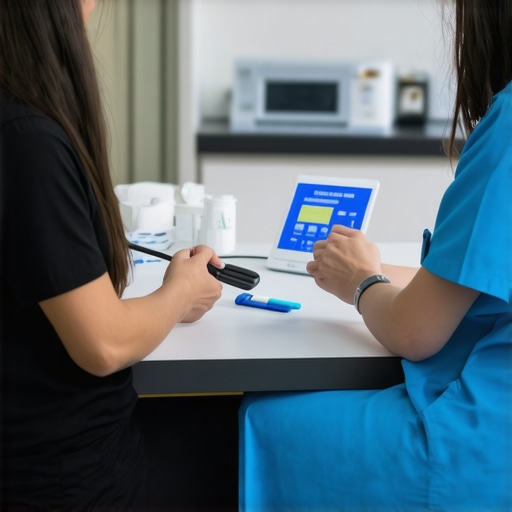
Many desperate for results turn to unregulated sources, hoping to sidestep doctors. That’s a reckless gamble that could result in serious side effects such as nausea, pancreatitis, or worse. The best approach? Engage with qualified physicians who can tailor your treatment plan. Remember, in 2026, physician oversight remains your safest bet. To understand how expert guidance ensures safety, explore this article.
The Road to Safe Ozempic Use Begins Here
Getting Ozempic for weight loss in 2026 isn’t about hacking the system—it’s about respecting the medical process. Only through licensed clinics, proper monitoring, and ethical sourcing can you truly maximize safety and results. If you’re serious about losing weight with Ozempic, the first step is finding a qualified healthcare provider—someone who understands your unique needs, can monitor side effects, and provide ongoing support.
If you’re considering this pathway, I would suggest starting with a professional consultation. As I argued before, attempting to skirt the system won’t just fail—it’s dangerous. Explore this detailed guide for what proper medical supervision entails and how to find the right clinic near you.
The Myth of Effortless Weight Loss with Ozempic
When it comes to shedding pounds, many believe Ozempic is a shortcut, a miracle pill that defies the laws of biology and medicine. But the evidence tells a different story. Behind the glossy advertisements and influencer testimonials lies a behind-the-scenes web of profit, misinformation, and systemic failure.
This isn’t just about individual choices; it’s a reflection of a broken healthcare ecosystem that benefits from our naivety. The push for quick fixes has distorted perceptions, turning a potent drug into a commodity ripe for exploitation.
The Evidence Exposes the Illusions
Data from clinical trials and real-world studies paint a stark picture. Patients prescribed Ozempic for diabetes or weight loss often see an initial drop in weight—yes, that 20% reduction isn’t a minor fluctuation; it’s an unprecedented collapse in waistlines. Yet, this success isn’t owed solely to the drug—it’s part of a comprehensive medical plan. Remove the doctor’s guidance, and the results evaporate like vapor in the desert heat.
Contrary to the hype, *self-medicating* with unregulated sources—black markets, dubious online vendors—doesn’t just risk health; it guarantees failure. The substance you buy isn’t guaranteed to be genuine, and even if it is, you lack the critical medical oversight to interpret side effects or adjust dosages. The market thrives on this false promise of convenience, feeding on uneducated desperation.
The Roots of the Problem: Who Benefits?
The push for easy access doesn’t just come from unregulated vendors. Big Pharma has a strong hand in reinforcing this illusion. They promote Ozempic as a façade of victory, fueling demand with aggressive marketing campaigns. The goal isn’t just profit; it’s control. As regulations tighten, these corporations shift focus to lucrative markets in developing nations and underground channels, shielded by legal loopholes and lax enforcement.
Meanwhile, healthcare providers, often under the pressure of insurance companies and profit motives, fail to emphasize medical supervision. Instead, they’re incentivized—directly or indirectly—to push prescriptions, making the process more about financial gains than patient safety.
The Fallacy of Fast Results
Let’s be blunt: the promise of rapid weight loss is a siren song. Ozempic, like other GLP-1 drugs, works primarily by suppressing appetite—a temporary state, not a permanent solution. Those who chase quick results without understanding this risk a rebound worse than their starting point. Yet, the cycle persists; the craving for immediate gratification overshadows the need for sustainable change.
Attempting to bypass medical oversight is akin to playing with fire. The side effects—nausea, pancreatitis, and even more dreadful outcomes—aren’t uncommon. The only safeguard? Genuine clinical guidance that tailors treatment to the individual’s health profile, monitors progress, and intervenes when necessary.
The System’s Betrayal and Your Vulnerability
The modern health system, compromised by corporate interests and regulatory collapse, leaves patients vulnerable. It’s not enough to want Ozempic; you need to understand that the pathway to safe use demands responsibility, not shortcuts. The system isn’t on your side; it’s on *its* side—profit and control come before safety.
Don’t Be Fooled by the Myth of Effortless Ozempic Results
It’s understandable why many are drawn to the idea that Ozempic offers a shortcut to weight loss—a quick fix promising rapid results with minimal effort. The allure of shedding pounds without significant lifestyle changes is seductive, especially in a culture obsessed with instant gratification. However, this appealing narrative obscures the complex reality of medical weight management and the serious risks involved.
The Critic’s Best Argument
Critics often acknowledge that Ozempic is medically prescribed and that its use should be supervised by healthcare professionals. They argue that, with proper medical guidance, the medication can be a safe and effective tool for weight loss, particularly for those who have struggled with traditional methods. They point to clinical trials demonstrating significant weight reductions and emphasize that, when used correctly, Ozempic can be part of a comprehensive treatment plan.
Why This View Misses the Bigger Picture
I used to believe this too, until I realized that emphasizing Ozempic’s potential without stressing the importance of medical supervision creates a dangerous illusion. The core issue isn’t whether Ozempic works; it’s how people perceive its use and the misconception that it requires little to no responsibility. Promoting Ozempic solely as a medical tool neglects the systemic problems that inflate demand and oversimplify the path to weight loss.
This perspective overlooks a critical point: the narrative of effortless weight loss fosters false hope. It encourages people to seek quick solutions rather than commit to sustainable lifestyle changes. It also downplays the risks of misuse—like unregulated online sourcing or self-medication—both of which can lead to severe health complications. The real challenge lies in managing expectations and emphasizing that Ozempic is not a magic pill but one component within a disciplined, supervised approach.
The Wrong Question
Asking whether Ozempic can safely be used with medical oversight is valid. But the more pertinent question is whether society is doing enough to prevent misuse and educate about the realities of weight management. The pressing issue isn’t just access; it’s how we frame the conversation around responsibility, effort, and health.
We need to confront the uncomfortable truth that the obsession with quick fixes fuels a dangerous ecosystem—one that profits from misconceptions and neglects patient safety. If we continue to ignore this, we risk normalizing unsafe practices and undermining the integrity of medical guidance.
Shifting the Narrative
Encouraging responsible use of Ozempic requires more than just clinical oversight; it demands a cultural shift. We must move away from the idea that weight loss can or should be accomplished with minimal effort. True health benefits come from a holistic approach—balanced nutrition, regular exercise, psychological support, and medical supervision. Simplifying this multifaceted process into a single pill disregards the discipline and commitment needed for sustainable change.
In the end, the question isn’t whether Ozempic is effective when used correctly—it’s whether we are willing to accept that effective weight management entails responsibility, effort, and proper medical guidance. Overcoming the seductive myth of effortless weight loss means confronting the harsh truth: there are no shortcuts to good health, only the honest work that sustains it.
The Cost of Inaction
If we continue down the misguided path of ignoring the realities of proper Ozempic use, the consequences will be devastating. The current trend of self-medicating and bypassing medical oversight sets us on a dangerous trajectory where health crises become inevitable. As demand for quick-fix weight loss solutions skyrockets, unregulated sources will flood the market, making it easier for dangerous substances to circulate unchecked. This surge will inevitably lead to an increase in severe side effects, hospitalizations, and even fatalities.
The healthcare system, already strained, will struggle to cope with the fallout of widespread misuse. Emergencies stemming from pancreatitis, infections from counterfeit drugs, and irreversible health damage will become commonplace. This not only burdens medical resources but also shatters public trust in legitimate medical interventions. The urgency is real—if we don’t act now, the chaos will be irreversible.
The Future Looks Bleak in Five Years
If the trend persists, the landscape of weight management and healthcare will change dramatically. In five years, we risk a world where unregulated markets dominate weight loss options, exposing vulnerable populations to toxic or ineffective treatments. The line between genuine medical care and dangerous snake oil will blur, making it nearly impossible for people to discern safe choices from deadly shortcuts.
This escalation will deepen health disparities, with marginalized communities bearing the brunt of the fallout. As trust erodes, more individuals will turn to clandestine sources, fueling a vicious cycle of danger and deception. The healthcare infrastructure will be overwhelmed, resources diverted from preventive care to crisis management. Society as a whole will suffer, with healthier lifestyles replaced by a culture of desperation and recklessness.
What are we waiting for
Are we willing to gamble away our collective health for fleeting convenience? Ignoring the warnings now sets a precedent—one where health and safety are sacrificed for profit and quick results. It’s akin to racing toward a cliff’s edge while ignoring the warning signs; sooner or later, the fall will be catastrophic. The choice is stark: confront the uncomfortable truths today or face a future where illness and death are normalized outcomes of our collective neglect. The time to act is now—before the damage becomes irreversible.
Your Move
The myth of effortless weight loss with Ozempic is just that—a myth fueled by hype, greed, and systemic failure. While the drug shows promise when used responsibly under medical supervision, attempting to sidestep that system is a reckless gamble with your health. The market will continue to tempt you with shortcuts, but the brutal truth remains: real weight loss demands responsibility, effort, and proper guidance.
As we face a future where unregulated sources flood the market and the risks escalate, the question isn’t just about access—it’s about accountability. Will you continue chasing illusions or take control of your health with informed, ethical choices? The clock is ticking, and your health can’t afford to wait any longer.
The Bottom Line
Ozempic is a tool, not a magic wand. Its true potential is unlocked only through the discipline of medical oversight and responsible sourcing. Ignoring this fact puts your well-being on the line and fuels a cycle of chaos and deception. The real challenge—and the real opportunity—is to embrace a holistic approach that respects the complexity of sustainable weight loss.
So, I challenge you: stop searching for shortcuts and start investing in your health. Seek out licensed clinicians, ask tough questions, and commit to a journey that’s rooted in responsibility—because in 2026 and beyond, that’s the only way forward.
Time’s Up
The future belongs to those willing to face the inconvenient truths about weight management. The era of illusions ends now. Will you be part of the solution or continue down a path paved with risk and regret? The choice is yours, but remember—every shortcut you take today could cost you your health tomorrow.