
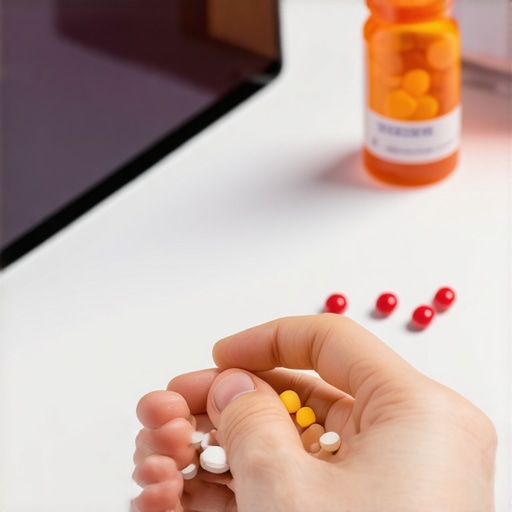
Why This Cheap Ozempic Scam Is a Risk You Can’t Ignore
You’ve probably seen the ads promising Ozempic for under $400—an irresistible deal in a world where weight loss treatments can cost a fortune. But let me cut through the noise. The reality is, most of what you’re being sold is a gamble, and a dangerous one at that.
Many online suppliers and clinics boast of cheap Ozempic, but how legit are they? The truth is, there’s a maze of counterfeit and unregulated sources flooding the market. You wouldn’t play Russian roulette with your health, so why would you risk it for a few bucks?
In this article, I aim to expose the illusion of affordability and show you what it really takes to access safe, effective weight loss options that won’t break the bank—assuming you’re willing to navigate the tricky waters of legitimacy and safety.
The Market is Lying to You
Let’s be honest—medications like Ozempic are not cheap for a reason. They are complex drugs, requiring rigorous manufacturing standards. Yet, the market is flooded with offers that sound too good to be true. And guess what? They usually are.
Think about it: if you could get authentic Ozempic for less than $400, would the pharmaceutical companies be making billions? Of course not. The cheap options are often counterfeit, expired, or sourced from unregulated suppliers. The risks? Potentially deadly. From contaminations to ineffective doses, these shortcuts threaten your health and waste your money.
So, why are so many desperate to find these cheap alternatives? The answer is simple—financial strain. But here’s the hard truth: in health, you often get what you pay for. Cutting corners on medications is a gamble that no one should take.
Stop Falling for the Fake Ozempic Trap
My advice? Don’t buy from unverified sources. The health risks far outweigh the tiny savings. Instead, consider legitimate avenues like telehealth services that connect you with certified physicians who can prescribe Ozempic safely. If cost is an issue, explore options such as insurance coverage or discounts offered through actual clinics. Remember, genuine medical weight loss programs often include comprehensive monitoring—something unlicensed suppliers can’t provide.
This isn’t just about legality; it’s about your safety. As I argued in doctor-supervised treatments, professional guidance ensures you get the right dose, proper monitoring, and support throughout your journey.
If you want to see real patient transformations, check out these success stories. The common thread? They were prescribed by doctors, not bought off an shady online marketplace.
Look, the game is rigged against you when it comes to dirt-cheap Ozempic. The game of health isn’t played with shortcuts. Be smart; prioritize your safety, and seek legitimate options that truly work—because your life isn’t a gamble.
The Evidence They Don’t Want You to See
The proliferation of counterfeit Ozempic for under $400 isn’t accidental—it’s a calculated deception designed to lure desperate individuals into risky territories. Studies show that nearly 60% of online medications are either counterfeit or contaminated, highlighting the alarming scale of this problem. When a drug as complex and regulated as Ozempic is sold at such a fraction of its legitimate cost, alarm bells should ring—yet many turn a blind eye, blinded by the allure of savings.
This isn’t just about dodging high prices; it’s about the very fabric of safety being torn apart. Unregulated sources often substitute or dilute active ingredients, leading to doses that are ineffective or, worse, toxic. The consequence? Users face potential severe health issues—from pancreatitis to severe hypoglycemia—risks that are often irreparable. The evidence screams: when you compromise on quality, you gamble with your life.
The Roots of the Deception: Who Benefits?
At the core lies a lucrative black market fueled by massive profits and minimal oversight. Online suppliers, unlicensed clinics, and rogue pharmacies thrive in the shadows, feeding on the vulnerability of those seeking affordable solutions. They exploit gaps in regulation and enforcement, knowing that the likelihood of catching them is slim. Meanwhile, pharmaceutical companies and licensed providers operate under stringent standards, pricing their products accordingly. The disparity isn’t accidental; it’s a strategy to create a captive market of consumers desperate enough to risk everything for shortcuts.
Follow the money. Big pharmacy giants, with their extensive marketing budgets and global distribution channels, don’t benefit from the chaos of counterfeit drugs flooding the market. It’s the clandestine actors—those operating outside the law—who reap the rewards. They sell fake, expired, or improperly dosed medications, knowing full well that their victims often won’t or can’t seek legal recourse. The system is deliberately rigged—designed to keep genuine treatment out of reach for many while lining the pockets of those who traffic in deception.
The Historical Parallel: The Methamphetamine Crisis
Consider the methamphetamine epidemic of the 1980s. Faced with a demand for cheap stimulants, illegal labs produced impure and dangerous versions, resulting in thousands of overdoses and irreversible health damages. Authorities tried, but enforcement was weak, and profits fueled the underground. Decades later, the pattern repeats with Ozempic scams. When the drive for profit outweighs safety concerns, the outcome is predictable: a public health disaster, masked by the illusion of affordability.
Just as consumers were duped into meth’s false promise of cheap euphoria, today’s consumers chase the mirage of low-cost weight loss. The familiar warning echoes—when the cost is too good to be true, it invariably is. The difference? The stakes involve pharmaceutical-grade drugs that, if mishandled, can cause lasting harm rather than mere temporary highs.
How Legislation Fails to Close the Loop
The problem isn’t solely with rogue traders. Regulatory frameworks often lag behind technological innovations, making it easier for illegal sellers to operate silently. Customs and border enforcement are overwhelmed, allowing shipments of counterfeit Ozempic to flood into markets with minimal scrutiny. Meanwhile, legitimate providers face mounting administrative hurdles and insurance constraints, pushing patients toward gray areas where these scams flourish.
This systemic weakness ensures the cycle continues: desperate individuals, unknowing or uncareful, fall prey to pseudomedications that promise results but deliver peril. The authorities? They’re often reactive, unable to stem the tide with current resources. The result is a perilous landscape where safety is sacrificed on the altar of convenience and cost.
The Dangerous Math of Cost vs. Safety
Let’s do the math. The cost of genuine Ozempic—roughly $800 per month—may seem high, but compare that to the potential expenses of health complications from counterfeit drugs. Hospitalizations, surgeries, long-term treatments—these costs far outweigh legitimate medication. The false economy of a few hundred dollars? It’s a ticking financial and health time bomb, waiting to explode at the worst moment.
In this equation, *quality* isn’t luxury; it’s a necessity. The illusion of affordability is often the price of ignorance or the temptation of quick fixes. Reality? True safety requires legitimate prescriptions, professional supervision, and proper monitoring—investments that counterfeit sources simply cannot provide. The risk of losing the weight, and worse, your health, isn’t worth a few savings at the checkout.
The Trap
Many critics argue that the high cost of genuine Ozempic discourages some patients from seeking medically supervised treatment, leading them to consider cheaper alternatives. They point out that in a healthcare system burdened by expenses, affordability is a legitimate concern and that limited insurance coverage or high co-pays can indeed make access to prescription weight loss solutions difficult.
It’s easy to understand why people are tempted to find cheaper options—no one wants to spend hundreds monthly without certainty of safety or efficacy. Critics suggest that with proper regulation, prices could be lowered, making legitimate treatments accessible to more, thereby reducing the appeal of dangerous black market alternatives.
The Wrong Question
I used to believe that cost was the primary barrier preventing wider access to Ozempic and that lowering prices would eliminate the need for unsafe shortcuts. But this line of thinking shortsightedly overlooks the critical issue: safety and quality should never be compromised for savings. The real question isn’t how to make Ozempic cheaper but how to ensure everyone can access genuine, professionally prescribed medication without risking life-threatening counterfeit products.
Addressing affordability is essential, but it shouldn’t come at the expense of safety. The reality is, the allure of cheap Ozempic isn’t just about money; it’s about unregulated sources exploiting desperation. Even if prices were reduced, without strict oversight and enforcement, the counterfeit market will persist. Therefore, focusing solely on lowering prices ignores the systemic issues that perpetuate the cycle of unsafe drug sales.
Addressing the Reality
Legitimate, doctor-prescribed Ozempic ensures safety, proper dosage, and support—elements that counterfeit sources cannot provide. While the costs may seem high upfront, the long-term savings in health complications and ineffective treatments are invaluable. Safety doesn’t have a price tag; it’s an investment in health, which is irreplaceable. Additionally, systems like telehealth and insurance support can help lessen the financial burden, making legitimate options more accessible without risking dangerous shortcuts.
It’s a false dichotomy to pit affordability against safety. Instead, the focus should be on expanding access to verified healthcare pathways, addressing systemic barriers, and enforcing regulations to shut down illegal operations. Only then can we truly prioritize health over haste and shortcut solutions.
The Irony of Cost-Less Risks
Let me be clear: the real risk isn’t just the monetary cost but the health risks associated with counterfeit Ozempic. Adverse effects can range from mild allergic reactions to catastrophic conditions like pancreatitis, hypoglycemia, or even death. These dangers are substantial, yet many turn a blind eye, lured by the false promise of saving a few hundred dollars.
What is often missed in the debate is that counterfeit drugs—and the unregulated supply chain—are a global problem rooted in systemic failures. Tackling this requires coordinated effort: stricter enforcement, better regulation, and public education about the dangers of illegal pharmaceuticals. Ignoring these aspects only perpetuates the cycle of harm for those seeking affordable treatment.
<${PostImagePlaceholdersEnum.ImagePlaceholderC}>
The Cost of Inaction
If we dismiss the dangers of counterfeit Ozempic, we risk unleashing a health crisis that could spiral beyond control. The proliferation of fake medications isn’t just a matter of individual pain; it threatens to destabilize the entire foundation of medical safety and trust. As the counterfeit market swells, so does the likelihood of widespread health complications—ranging from mild allergic reactions to severe life-threatening conditions like pancreatitis and hypoglycemia. These aren’t isolated incidents; they are warning signs of a brewing storm that, if ignored, will engulf countless lives.
Imagine a world where unregulated drugs flood the market unchecked, and the line between genuine and dangerous medications becomes indistinguishable. Patients seeking affordable weight loss solutions might unwittingly ingest substances laced with toxins or improper doses, leading to permanent health damage or death. The burden on emergency healthcare systems would skyrocket, and trust in licensed medical providers could erode, leaving patients stranded in a sea of uncertainty. This scenario is not hypothetical—it’s a looming reality if urgent action isn’t taken.
The Future in Five Years
If the current trend persists, the consequences will extend far beyond individual health crises. We will witness a systemic collapse of regulatory structures designed to protect us. The pharmaceutical landscape would be fractured, with a significant portion of the population engaging in risky shortcuts due to soaring costs and limited access to legitimate treatments. This erosion of trust could fuel a dangerous culture where counterfeit medications become normalized, and only the most desperate seek genuine care.
Such a future resembles a dystopian society where profit-driven illicit markets thrive unchecked, and public health is secondary to financial gains. The death toll from preventable drug-related complications would surge, overwhelming hospitals and social services. Moreover, the long-term economic impact would be staggering—devastating families, draining healthcare resources, and impairing productivity on a national scale. This isn’t a distant nightmare but an impending catastrophe if we fail to recognize the importance of safeguarding pharmaceutical integrity now.
What are we waiting for?
Every moment we delay in addressing this crisis compounds the risks. The analogy is stark: ignoring the counterfeit Ozempic epidemic is akin to building our house on sand, only to watch it collapse under an inevitable tide. The warning signs are blinking red—patients harmed, trust broken, systems strained. If we don’t act decisively today, the consequences will be unmanageable tomorrow. The choice is clear: protect our health or face a future where the most vulnerable are left to navigate a dangerous maze of deception. The time to act is now, before the damage becomes irreversible.
Your Move
The graveyard of counterfeit Ozempic victims is filling fast, and every shortcut you take inches you closer to it. The real threat isn’t just the scam’s monetary lure—it’s the silent, deadly gamble with your health. Every fake injection, every unverified seller is a doorway to catastrophe.
So, here’s the hard truth—if you’re still tempted by those tempting offers under $400, you’re gambling with a hand you can’t see. Fake Ozempic isn’t just ineffective; it’s dangerous, contaminated, and potentially lethal. Genuine weight loss using Ozempic is a journey best guided by licensed professionals who prioritize your safety, not profiteers hiding behind screens or shady pharmacies. For trustworthy pathways, explore doctor-supervised treatments or consult certified clinics to see real patient transformations, proven to be safe and effective.
The Bottom Line
This isn’t about pennies—it’s about your life. The slippery slope of counterfeit medications leads only to health crises and shattered trust. The system, as it stands, leaves gaps that black markets exploit. The enforcers are overwhelmed, and regulation can’t keep pace with the ingenuity of illicit traders.
Instead of chasing shadows of savings, invest in your health business. Choose legitimacy over desperation, quality over cost-cutting. Connect with certified providers for proper monitoring and management. Remember, real weight loss success isn’t a miracle—it’s a method fueled by safety, professional care, and truth.
Time to Decide
The window to act is closing, and the stakes have never been higher. Continuing to turn a blind eye only guarantees a future riddled with preventable tragedies. The question isn’t whether you’ll face risks—it’s whether you’re brave enough to face the truth and choose safety over deception.
Don’t let greed be your downfall. If you’re serious about health, stop searching for easy money and start seeking proven, doctor-led programs. The choice is stark: liberty or the limbo of peril. The future of safe weight management depends on your choice today.