
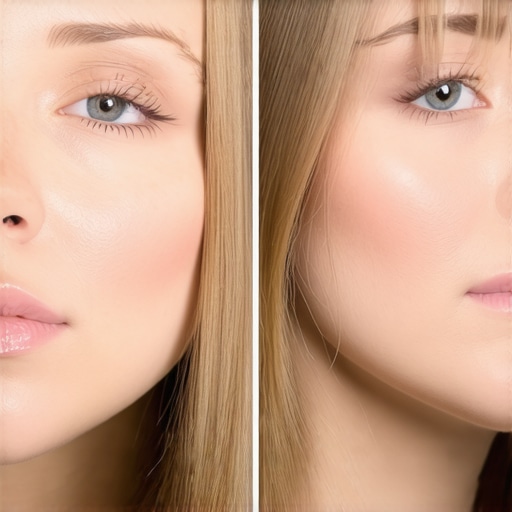
Why You’re Still Living a Lie About Ozempic and Sagging Skin
If you believe that losing weight with Ozempic means you’re automatically going to look fabulous, think again. The hype surrounding this GLP-1 miracle drug is deafening, but the real story is much messier and more frustrating. Sure, Ozempic can shrink your stomach and flatten your fat—but at what cost? You might be surprised to learn that, in many cases, the result feels more like a sinking ship than a buoyant upgrade.
My thesis is simple: Ozempic’s before-and-after pictures are often misleading. Weight loss is one thing, but skin sagging—the dreaded loose skin—is an entirely different beast. You might lose weight rapidly, but your body doesn’t necessarily cooperate. Saggy skin isn’t just a cosmetic issue; it’s a sign of neglected fundamentals. The question is: How do you keep your skin firm and resilient after shedding pounds with Ozempic? The answer isn’t as straightforward as just taking the drug and hoping for the best.
To truly capitalize on Ozempic’s benefits and avoid ending up with a saggy wreck, you need a deliberate strategy. It’s like playing chess—each move counts. You can’t just wait for the magic to happen; you have to plan ahead, incorporate lifestyle changes, and know when to push for professional support. So, why are so many people blindsided by loose skin, and what can be done about it?
The Market is Lying to You
The cosmetic lure of rapid weight loss has blinded many to the reality: skin isn’t elastic enough to bounce back once stretched. As I argued in my previous articles, the weight loss industry is all about sales and hype, not health or longevity. You’re sold the dream of instant transformation, but you’re never told the harsh truth—your skin needs help.
In fact, the obsession with quick fixes, from Ozempic to fad diets, ignores one fundamental fact: skin health is a complex puzzle involving collagen, hydration, nutrition, and genetics. To ignore this is to set yourself up for disappointment—and a sagging after-photo that no filter can fix. For an in-depth exploration, check out this resource.
Combat Sagginess Before It Happens
The key is prevention. Building muscle mass and maintaining a strong connective tissue foundation before your weight loss journey begins is critical. Resistance training, sufficient protein intake, and collagen supplementation are your best allies. Consider using skin-tightening treatments or platelet-rich plasma therapies if you’re worried about loose skin—these are not miracle cures, but they help. And remember: no matter how much Ozempic you take, neglecting these basics guarantees an uphill battle against sagging.
Most clinics now emphasize a comprehensive approach—medication combined with lifestyle modification. Want to learn more about how to prepare your body for optimal skin resilience? Visit this page.
The Evidence Behind Sagging Skin and Rapid Weight Loss
When it comes to the promises of Ozempic, the headlines often focus on inches lost and body transformations. But beneath the surface lies a less glamorous truth: rapid weight loss accelerates skin aging and sagging, revealing a significant oversight in how we approach these drugs. Scientific studies demonstrate that our skin’s elasticity diminishes when it’s stretched beyond its capacity, and the speed of weight reduction directly correlates to the severity of sagging—a stark reminder that weight loss isn’t just about what’s shed but also what’s left behind.
Consider that skin, much like a rubber band, stretches. If stretched slowly, it adapts; if stretched quickly or repeatedly, it weakens and sags. Ozempic’s ability to shrink the stomach and promote dramatic weight loss effectively stretches skin at a rate that the connective tissues cannot keep pace with. This isn’t theoretical. Clinical observations reveal that patients who lose weight swiftly after using GLP-1 drugs often face loose, hanging skin—sometimes requiring surgical intervention. The data reflects that the faster the loss, the greater the skin’s failure to retract, leading to a collapse in one’s silhouette and confidence.
The Root of the Problem: Collagen and Hydration Deficiencies
But why does rapid weight loss cause such havoc? The answer lies in the fundamental components of skin integrity—collagen, elastin, and hydration. To maintain firmness and resilience, skin relies on a delicate matrix of these elements. Speedy weight reduction accelerates the breakdown of collagen and elastin fibers, which are responsible for elasticity. Without adequate support, skin collapses into loose folds. Moreover, dieting or medication-induced weight loss often neglects hydration, another critical factor. When the skin is dehydrated, it loses its plumpness, making sagging more pronounced.
Evidence from dermatological research shows that collagen production decreases significantly during periods of calorie restriction, especially when not paired with supportive measures like resistance training or collagen supplementation. The misconception that weight loss alone can solve everything ignores this intricate biological balance. The net result? A body that appears toned in the short term but reveals all its flaws once the fat has melted away.
Who Profits from the Illusion? The Role of Industry Influence
There’s a clear pattern: the push for rapid weight loss aligns with industry interests. Pharmaceutical companies, weight loss clinics, and even social media influencers profit from the narrative that slimming down equals success—regardless of consequences. They are complicit in glossing over the most tangible aftermath: sagging skin. Their marketing thrives on before-and-after photos, not on educating consumers about the importance of skin health. And who benefits? The makers of skin tightening procedures and cosmetic treatments—those capitalizing on the fallout of neglecting basics such as strength training and collagen care.
These entities have a vested interest in maintaining the illusion that weight loss is an isolated event. Yet, the *truth* is that it’s part of a larger biological story—one that can’t be fully told through slick marketing or Instagram filters. It’s a story of how haste, driven by profit motives, ultimately sacrifices long-term health for fleeting appearance gains, leaving consumers with sagging reminders of their supposed success.
It’s easy to see why many believe that a quick shift in numbers on the scale means achieving a flawless physique. With headlines heralding Ozempic as a game-changer, the notion that shedding pounds effortlessly leads to perfect skin seems justified. The promise appears straightforward: lose weight, look great. This has created a narrative that weight loss drugs alone can deliver transformative results without consequence.
I used to believe this too, until I recognized a glaring oversight: the complexity of our skin’s biology isn’t addressed by a mere appetite suppressant or a dose of GLP-1 medication. Relying solely on Ozempic or similar drugs ignores a fundamental truth—**skin integrity depends critically on collagen, hydration, and gradual adaptation**, not just the number on the scale.
The Reality Is That Rapid Weight Loss Accelerates Skin Damage
The critical flaw in the popular mindset is the assumption that losing fat quickly results in a smooth, toned appearance. However, scientific evidence indicates the opposite—the faster the weight drops, the more likely skin will sag or become loose. This occurs because rapid fat reduction stretches the skin beyond its elastic capacity, causing tears in collagen and elastin fibers that cannot regenerate instantly. As a result, patients often find themselves facing the disappointment of excess, hanging skin after what they thought was a successful journey.
This is not an absence of effort or discipline; it’s a biological reality that doesn’t get enough attention in marketing materials or social media testimonials. The focus on inches lost distracts from the true aftermath, which can include surgeries and prolonged recovery, contradicting the illusion of a clean, effortless transformation.
The Wrong Question Is How Fast You Lose Weight
The real issue isn’t the speed of weight loss but how your body adapts to it. If you’re only concerned with the digits on your scale, you risk neglecting the biological groundwork necessary for maintaining skin elasticity. Building muscle, staying well-hydrated, and supporting collagen production—these are the defenses against sagging that many overlook.
Ask yourself: are you prepared to manage the skin that may hang loose, despite your initial desire for rapid results? If not, then your focus should shift from mere scale metrics to holistic strategies that include resistance training, proper nutrition, and possibly skin-supportive treatments. Ignoring these elements is shortsighted, especially when considering long-term aesthetics and health.
Addressing the Industry’s Role and Misleading Promotions
It’s important to recognize how industry interests perpetuate this narrow view. Many clinics and pharmaceutical companies emphasize quick fixes because they profit from success stories of rapid weight loss—regardless of quality of life afterward. The allure of a ‘simple’ solution encourages consumers to overlook the biological costs, such as loss of skin firmness and collagen breakdown.
By fostering an environment that prioritizes picture-perfect results over biological realities, these entities shoulder some responsibility for the frustrations faced later. It’s a disservice to consumers seeking genuine, sustainable health improvements, and often, these unspoken truths are what lead to dissatisfaction and regret.
As society rapidly embraces weight loss solutions like Ozempic and other GLP-1 drugs, the silent consequences threaten to reshape not just individual health but the fabric of our collective wellbeing. Ignoring the biological realities behind skin elasticity and collagen health sets us on a path toward a future where premature aging, disfigurement, and chronic health issues become the norm. The urgency lies in tomorrow’s generation—if we neglect these warnings today, we risk a landscape marred by the remnants of unplanned, hasty transformations. Imagine a ticking time bomb, with each quick-fix weight loss attempt adding a small, unread fragment. Over years, these fragments accumulate into a catastrophic explosion—loose, sagging skin, weakened connective tissues, and systemic health deterioration. This isn’t science fiction; it’s an attainable reality if we continue to ignore the biological cost of rapid fat loss. The relentless pursuit of aesthetic perfection, driven by industry hype, is pushing us toward an irreversible cliff edge, where the long-term damage far outweighs immediate gains. If current trends persist unabated, in five years, our society could face an epidemic of disfigurement masked as beauty. The industry will profit from the fallout—surgeries, skin tightening treatments, and prolonged medical interventions—while once-vibrant individuals grapple with the consequences of neglecting fundamental health practices. Our health system, already strained, will bear the brunt of preventable conditions that originate in ignorance or complacency. This cascade mirrors a game of Jenga, where each quick weight loss move removes a block that supports our biological health. As more blocks are pulled away without reinforcement, the entire structure teeters dangerously close to collapse. Our collective failure to address this issue propels us into a future where superficial appearance takes precedence over genuine health, and the cost is paid in suffering and diminished quality of life. Waiting for the crisis to be undeniable is a gamble with our health and dignity. The question isn’t just about individual choices but whether society will prioritize long-term wellbeing over fleeting gains. By ignoring the biological constraints of our skin and connective tissues, we risk fostering a culture where superficial perfection is pursued at the expense of authenticity and health. The time to act is now—before the damage becomes irreversible, and regret is the only outcome left to bear. The final verdict is clear: relying solely on Ozempic for quick weight loss risks more than just loose skin; it jeopardizes your long-term health and authenticity. This revelation challenges the industry’s glossy façade, which promotes rapid transformations without accountability for the biological aftermath. Here’s the twist: the real danger isn’t just the excess skin but the societal penchant for shortcuts—ignoring the vital foundation of collagen, hydration, and resistance training that sustain genuine wellness. Without addressing these core elements, a rapid weight-loss journey becomes a fleeting illusion—a house built on sand destined to collapse. Take this to heart: don’t let industry hype manipulate your body and mind. Engage in a strategy that respects your biology, prioritize holistic health, and recognize that the deepest transformation arises from patience, not haste. The power to redefine your future is already in your hands—are you prepared to make the right move? Learn more about responsible Ozempic use and protect your natural vitality before the damage is done. Stop chasing the quick fix. End the cycle of superficial success and surface-level solutions. Embrace a comprehensive approach that combines medication with strength training, nutrition, and skin-supportive therapies. True weight loss success isn’t about losing inches overnight but about cultivating resilience and integrity within your body. If we continue to tolerate the industry’s neglect of biological realities, we risk a future riddled with regret, disfigurement, and systemic health failures. Your body isn’t a commodity; it’s the only vessel you’ll have for a lifetime. Demand honesty, expertise, and holistic care—because your health deserves nothing less. For a deeper dive into the science and strategies that will safeguard your skin and health, visit this resource. The time for complacency is over—your move is now.The Future That Awaits Us
Is It Too Late
Your Move
The Bottom Line