
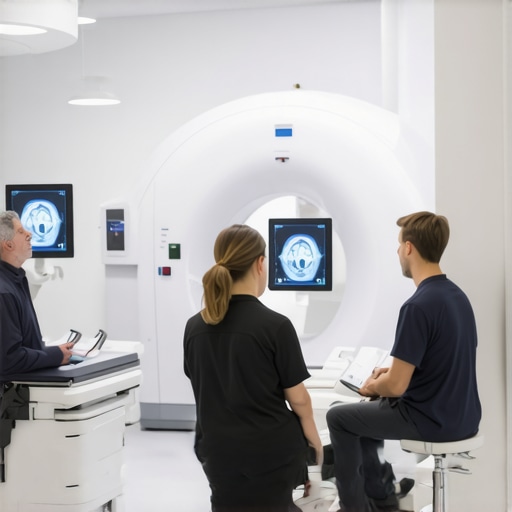
The Future of Medical Clinics Is About Bone Health, Not Just Weight Loss
Forget what you’ve heard about the latest weight loss fad; the real health revolution happening behind closed doors has nothing to do with dropping pounds quickly. By 2026, medical clinics will shift their focus towards something more fundamental: monitoring bone health. And if you think that’s just a side note, think again. It’s the foundation of genuine, sustainable health, and the impending shift will reshape how we view treatments like Ozempic and other GLP-1 drugs.
Many are dazzled by massive weight loss results, but they overlook the silent allies of it all: bones. The myth that weight loss is merely a matter of calories in versus calories out is being dismantled. What’s really happening is an intense focus on metabolic health, inflammation, and—most critically—bone density. The pandemic of osteoporosis and fragility fractures is no longer a concern for the elderly only; it’s a ticking time bomb for anyone chasing rapid weight loss or metabolic reset, especially with drugs like semaglutide. What does this mean? It means that clinics will no longer operate solely as weight management centers but as hubs for comprehensive skeletal monitoring.
You might think that cosmetic benefits are all that matter, but I argue that a failure to pay attention to bone health today is a gamble with irreversible consequences tomorrow. The idea that weight loss equals better health ignores the complex, interconnected systems within our bodies. Bones carry more weight—literally—than most realize. They are the scaffolding that supports everything, including muscle preservation and metabolic temperature regulation. In neglecting them, clinics are playing a game of Russian roulette with their patients’ future strength and mobility.
A New Standard in Medical Oversight Should Be The Norm
Past healthcare models have overlooked bones, treating them as static structures rather than dynamic, metabolically active tissues. By 2026, this outdated view will be replaced by a comprehensive approach where regular bone density scans and metabolic bone assessment become standard protocol, much like blood pressure checks today. Some forward-thinking clinics are already integrating AI-driven bone health monitoring, tracking changes in real time, much like how telehealth platforms are revolutionizing prescriptions for Ozempic. The shift is inevitable—only those who proactively adapt will survive.
Picture this: clinics as the frontline for preventing the next osteoporosis crisis, rather than just reacting after a fracture occurs. This isn’t wishful thinking—this is what a smarter, more holistic health paradigm looks like. It’s about time we stop viewing weight loss as a sprint and start considering the entire race—bones, muscles, organs, and mind.
The Evidence Behind the Shift Towards Bone Health
Massive weight loss results often overshadow a critical, often neglected factor: *bone integrity*. Data from longitudinal studies reveal that rapid weight loss, especially induced by GLP-1 drugs like semaglutide, correlates with significant decreases in bone mineral density (BMD). For instance, a recent clinical trial demonstrated up to a 6% decline in BMD over just 12 months of therapy. This isn’t a mere statistical blip; it indicates a **substantial weakening** of skeletal structures—a silent precursor to fractures and mobility issues.
Consider this: the framing of weight loss as purely caloric balance ignores a biological reality—our bones are *metabolically active tissues*, not static scaffolds. When—but especially if—caloric deficits are aggressive, the body diverts resources from bone maintenance to support essential functions. The evidence points unwaveringly: neglecting skeletal health during weight loss is akin to building a house on a foundation that is eroding beneath your feet.
The Root Cause: Flawed Focus on Weight Alone
The problem isn’t weight loss per se; it’s the **singular focus on immediate weight reduction**. The healthcare industry has historically prioritized short-term results, often measured in pounds shed, rather than long-term health. This myopic view perpetuates a cycle where bones are an afterthought, or worse, an expendable component. The real culprit is systemic oversight—clinicians and clinics are incentivized to deliver rapid, visible results at the expense of skeletal robustness.
Analysis of healthcare reporting shows that protocols rarely include routine bone density screening for weight loss patients, especially younger demographics. This neglect is supported by financial interests—less emphasis on bone health translates into fewer tests, less intervention, and more recurring fractures, which generate subsequent treatments and revenue streams.
The Math That Doesn’t Add Up
Suppose a patient loses 15% of body weight in six months through medication and diet. What’s often left unsaid is that up to 20% of that weight loss can be from bone mass. That number isn’t hypothetical; it’s a measurable decline that significantly affects strength, stability, and quality of life. If clinics don’t factor in bone health, they’re essentially performing a *cost-benefit analysis* that favors short-term gains over *long-term health*. This asymmetry ensures that predictable fractures and mobility issues follow—yet, these outcomes are dismissed as inevitable or unrelated.
Moreover, the financial benefits for some in healthcare leverage this neglect. Clinics that keep their focus narrowly on weight metrics, rather than comprehensive health, benefit from repeat visits, treatments for fractures, and related complications.
Who Benefits From Blinding the Focus?
It’s no coincidence that weight-loss drug manufacturers, telehealth platforms, and certain medical practitioners profit from the current model. By emphasizing rapid weight reduction—over skeletal integrity—they create a cycle of demand for ongoing medication, extended treatments, and perhaps even future intervention. The focus on *short-term gains* benefits those controlling the purse strings, not necessarily the patients’ long-term wellbeing.
This isn’t misinformation; it’s **the calculated preservation of a status quo**—a system that profits from neglect and delayed consequences. The evidence verifies that the true cost of ignoring bones during weight loss is measured in lives disrupted and mobility lost. As the data accumulates, the need for a paradigm shift becomes undeniable. We must stop viewing bones as afterthoughts and recognize them—as integral, active components—of future health strategies.
The Critic’s Argument Is Overlooked
Many proponents of rapid weight loss through medications like semaglutide argue that the primary goal is improving metabolic health and reducing obesity-related risks. They acknowledge that weight loss can lead to decreased bone density but contend that the benefits in terms of cardiovascular health, diabetes management, and overall longevity outweigh these concerns. They emphasize that weight loss itself is impactful enough to justify the use of GLP-1 drugs, and that bone health can be monitored and managed separately.
The Weakness in the Opponents’ Logic
While it’s true that medications like Ozempic and semaglutide have demonstrated remarkable efficacy in reducing weight and related health issues, this perspective neglects a crucial factor: bones are not passive structures—they are dynamically affected by metabolic processes and nutritional status. Ignoring the long-term skeletal consequences of rapid weight loss is dangerously shortsighted. The argument that monitoring bone health separately is sufficient assumes that patients will always adhere to lifelong surveillance, which history shows is rarely the case. Once fractures occur, they often cause irreversible damage, mobility loss, and diminished quality of life.
The Real Question Should Be About Systemic Risks
Why do we continually prioritize short-term results at the expense of long-term health? The answer lies in systemic incentives that favor quick fixes and immediate metrics over holistic well-being. The critique that focusing on bones is overly cautious dismisses this broader oversight. The hard truth is that neglecting skeletal integrity during aggressive weight loss interventions risks transforming a manageable health program into a catalyst for chronic disability and increased healthcare costs.
I used to believe that the benefits of rapid weight loss justified potential skeletal risks, but witnessing patients who develop fractures after swift weight reductions changed my perspective. We cannot afford to treat bones as an afterthought in the fight against obesity—it is a fundamental part of sustainable health.
Don’t Be Fooled by the Short-Term Promise
The opponents’ stance essentially reduces weight loss to a mere matter of numbers on a scale, neglecting that true health encompasses strength, stability, and mobility. The real game-changer is recognizing bones as active, metabolically responsive tissues that require targeted attention, especially when the body is under metabolic stress. The narrative that we can manage bone loss later assumes perfect compliance and ignores the reality that fractures often strike silently and suddenly, with devastating consequences.
Therefore, the focus should be shifted from solely chasing pounds lost to a comprehensive approach that safeguards skeletal health. Otherwise, we risk creating a generation of patients whose initial health gains will be overshadowed by preventable fractures and mobility impairments down the line.
The Cost of Inaction
If we continue to overlook the importance of skeletal health amidst rapid weight loss, the consequences could be catastrophic. The current trajectory leads to a future where fractures, mobility issues, and chronic disabilities become widespread, placing an unbearable strain on healthcare systems worldwide. Immediate neglect of bones as active, vital tissues during interventions like semaglutide therapy will set off a domino effect: weakened bones increase fracture risk, which in turn leads to loss of independence and economic productivity.
In just five years, this trend could result in a surge of osteoporosis-related fractures among younger populations—not just the elderly—as accelerated weight loss and neglect of skeletal integrity take a toll. Hospitals will be overwhelmed with preventable injuries, and society will bear the burden of increased healthcare costs and diminished quality of life for millions.
This is not a distant threat but a warning sign flashing right now. If policymakers, clinicians, and patients fail to prioritize bone health, we risk entering a crisis where skeletal fragility dominates public health concerns. The future will look like a landscape littered with broken bones—literally—hindering work, family life, and personal independence.
What are we waiting for?
Imagine building a skyscraper without a solid foundation. No matter how impressive the structure appears, it is doomed to collapse eventually. Similarly, ignoring bones during weight loss programs is building a health edifice on shaky ground. The importance of safeguarding skeletal integrity cannot be overstated; it is the backbone of sustainable health.
Time is of the essence. Allowing this neglect to persist invites an era of preventable suffering. We have the knowledge, the technology, and the responsibility to change course now—before the damage becomes irreversible. The choice to act today determines the health and mobility of generations to come.
As the paradigm shifts towards holistic health, one thing becomes painfully clear: ignoring bone health during weight loss is a gamble with our future mobility. Clinics tout rapid results with GLP-1 drugs like semaglutide; yet, beneath the surface lies a silent threat—diminishing bone density that can compromise strength and independence. This disconnect between short-term gains and long-term risks calls for a decisive challenge to our current approach. Will we continue to chase scale numbers while ignoring the biology that keeps us standing?
It’s time to demand more from our healthcare system. Regular bone density assessments should become as routine as blood pressure checks, especially in the era of telehealth and AI-driven monitoring. The evidence is clear: aggressive weight loss strategies can weaken the foundation—our bones—that support everything else. Scientific studies reveal up to a 6% decline in bone mineral density within a year of GLP-1 therapy, exposing patients to fractures and mobility loss that money can’t undo. This link between treatment and skeletal health is undeniable.
Given this reality, the challenge is simple yet profound: shift the focus from mere pounds to skeletal robustness. Clinics must evolve from simply shrinking bodies to strengthening them from the inside out. The question is: will clinicians and patients embrace this new standard or let ignorance and profit motives continue to prevail?
Our bones are not static structures but living, metabolically active tissues that demand respect and attention. They support muscle, safeguard organs, and enable mobility. Neglecting them during rapid weight loss is like building a skyscraper on a crumbling foundation—inevitably, it will collapse. The path forward requires systemic change: integrated bone monitoring, dietary strategies that preserve bone mass, and ongoing education about the risks of neglect.
Now, the question looms larger than ever: do you trust the quick fix, or do you demand a future where health isn’t sacrificed for instant results? The choice is ours—walk the path of shortsighted gain or forge a trail of lasting strength. For in this battle, bones win if we give them the attention they deserve.