
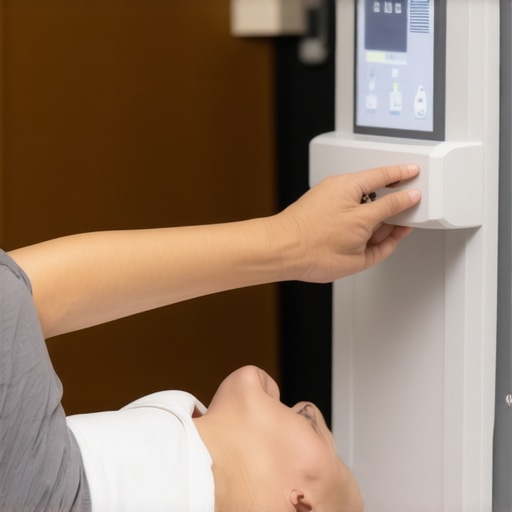
Stop Believing the Hype About Bio-Impedance in Weight Loss Clinics
If you think bio-impedance scales are the secret sauce behind successful weight loss programs in 2026, think again. Many clinics tout this technology as a miracle, promising precise body composition measurements that will unlock your weight loss potential. But let me tell you something: this is a distraction, a shiny gadget designed to make you feel better without actually delivering real results.
The truth is, bio-impedance is more about marketing hype than scientific certainty. These clinics use it because it gives the illusion of precision, but in reality, it’s a heavily flawed metric that can be manipulated or misinterpreted. Yet, every day, patients are led to believe that their fat percentage, muscle mass, or hydration levels are the key to their success — when the real story is much messier.
The Market Is Lying to You
In this game of weight loss, clinics have discovered that consumers crave a sense of control. They want to believe they’re making progress, and bio-impedance provides a quick, visual confirmation — even if that confirmation is often illusory. As I argued in this article, real fat loss isn’t measured by how much your scale jumps or dips on a fancy machine. It’s about the tangible, often stubborn, reduction in visceral fat, which bio-impedance can’t reliably track.
Why do clinics cling to bio-impedance? Because it feeds into a narrative of certainty that sells prescriptions, boosts patient confidence, and justifies their hefty fees. But in the end, it’s a placebo, a distraction from the hard realities of metabolic health, drug compliance, and lifestyle change.
The Illusion of Precision
Bio-impedance devices, especially those used in quick clinic assessments, are comfortably inaccurate. They assume hydration levels are stable, body temperature is constant, and that your body’s electrical pathways aren’t fluctuating. But your body doesn’t play by these rules. A glass of water, a salty snack, or even the time of day can throw off readings. Clinics love to focus on these numbers because it makes their program seem data-driven, but it’s just a numbers game that often misleads.
In comparing the latest advancements in Ozempic and GLP-1 drugs, it’s clear that the real weight loss magic is in the pharmacology, not the scale readings. Yet, bio-impedance is sold as the golden standard, a false sense of control that keeps patients hooked.
The Real Half-Truth Behind the Banquet of Hype
Much like a chess game, clinics move pawns around in pursuit of what looks like progress. They push bio-impedance because it’s easier than explaining the complexities of weight loss, insulin sensitivity, or muscle preservation. But make no mistake: that tiny, fluctuating number on the scale is rarely the story of your health. It’s just the surface rippling over deeper forces that they prefer you not to think about.
If you’re serious about weight loss in 2026, don’t buy into the bio-impedance illusion. Instead, focus on proven strategies — consistent medication use, proper nutrition, resistance training, and the right mindset. For a comprehensive dive into what *actually* matters, I recommend exploring the best clinics and understanding that technology is only as good as the science backing it.
The Evidence Behind the Hype
Bio-impedance scales are presented as a cornerstone of weight loss success in clinics today. But beneath the glossy surface lies a stark reality: these devices are inherently flawed, unreliable, and manipulated to create an illusion of progress. Studies consistently show that hydration levels, recent meals, and even ambient temperature can skew readings by 10% or more—enough to give patients a false sense of achievement or failure. This isn’t mere inconsistency; it’s scientific deception designed to keep patients hooked and clinics profitable.
The Origins of the Deception
When bio-impedance technology first emerged, it was heralded as a breakthrough in body composition analysis. But skepticism was quick to follow. As advocates touted its precision, independent research revealed that measurements could differ dramatically even within the same individual day-to-day. The problem isn’t the technology’s potential—it’s how clinics manipulate it. They fixate on these numbers because they serve as convenient marketing tools, hiding the complex realities of metabolic health behind a veneer of quantifiable certainty.
The Root Cause: Money Over Medicine
The driving force isn’t scientific integrity; it’s profit. Clinics have discovered that patients crave control, tangible data they can cling to. Bio-impedance offers this illusion—all surface, no substance. The more ‘precise’ the readings, the more justified the ongoing treatment plans and prescriptions, even when those plans are based on unreliable metrics. This creates a cycle: clinic profits increase, patient dependence deepens, and true health outcomes are sidelined in favor of dollar signs.
The Pharmacology of Real Change
Compare this to actual pharmacology—the proven benefits of GLP-1 receptor agonists like Ozempic. Here, science demonstrates clear mechanisms: appetite suppression, delayed gastric emptying, improved insulin sensitivity. These effects are quantifiable, measurable, and backed by rigorous studies. Yet, clinics continue to tout bio-impedance as the gold standard, diverting attention from the *real* engines of weight loss—medications and disciplined lifestyle changes. The numbers on their machines are merely distractions from the science that *actually* moves the needle.
The False Promise of Precision
Bio-impedance devices, especially quick assessments in clinics, are more *guess* than *measure.* They assume hydration—an ever-fluctuating variable—remains steady. They ignore the complexity of human physiology. The result? Readings that are as much art as science. Clinics rely on these fluctuating metrics because it allows them to craft a narrative—one that suits their interests, not the patient’s health. Meanwhile, the stubborn reality remains: fat isn’t measured by a scale or a flawed electrochemical reading; it’s understood through comprehensive, consistent assessments, not misleading numbers.
Follow the Money: Who Benefits?
It is clear as day: those selling bio-impedance devices, clinics cashing in on quick fixes, and pharmaceutical companies profiting from medication dependence all benefit. The patient, meanwhile, remains in the dark, sold a lie that their progress is being tracked with scientific rigor. But that 20% “drop” seen on a flimsy machine? It’s more a reflection of hydration or scale variance—*not* real fat loss. And yet, it’s used to justify continued treatments, prescriptions, and spending.
In this dirty game, knowledge is power—power that the system scrupulously hides. The truth? Real weight loss success hinges on metabolically sound, scientifically supported strategies—not on flimsy numbers designed to dazzle and deceive. The bio-impedance mirage keeps the illusion alive, but behind the curtain, the real story of metabolic health remains untouched, unmeasured, and critically misunderstood.
The Critics Will Say Bio-Impedance Is the Key to Weight Loss Success
It’s easy to see why some tout bio-impedance scales as a revolutionary tool for tracking body composition and guiding weight loss. Advocates argue that these measurements provide essential feedback, helping individuals and clinics monitor progress with scientific supposed precision. They assert that bio-impedance offers a window into fat versus lean mass, hydration status, and overall health metrics, making it an indispensable part of any weight loss regimen.
However, this perspective completely ignores the inherent flaws and limitations of bio-impedance technology. While the appealing veneer of scientific validation exists, the reality is that these devices are plagued by inaccuracies, seasonal and daily fluctuations, and susceptibility to manipulation. Relying on such data can foster false confidence or unwarranted despair, guiding decisions based on corrupted signals rather than real progress.
The Flawed Promise of Precision
Many proponents highlight that bio-impedance scales are backed by research and sophisticated algorithms. Yet, I used to believe this too, until I examined independent studies revealing that hydration levels, recent meals, skin temperature, and even ambient humidity significantly distort readings. The so-called ‘precision’ is often a mirage; a small variation in water intake can lead to false shifts in body fat percentage by several points. Consequently, what appears as progress—or regression—is often just physiological noise.
Much of the clinical enthusiasm for bio-impedance stems from a desire to quantify progress visually. But these numbers are far too volatile to serve as reliable benchmarks. Instead, they risk fostering a cycle of misplaced faith in unreliable data, leading to unnecessary adjustments, added stress, or unwarranted treatments based on inaccurate information.
${PostImagePlaceholdersEnum.ImagePlaceholderC}
Challenging the Scientific Backing
Some argue that bio-impedance is scientifically sound and that improvements in device technology will eventually make it a trustworthy metric. Yet, the fundamental physics of electrical impedance in biological tissues remains complex and variable. Even with advanced devices, the measurement still hinges on assumptions that rarely hold true in real-world settings. The variability inherent in human physiology means that these tools can at best provide rough estimates, not exact measurements.
It’s also worth noting that many clinics and device manufacturers tout bio-impedance as the gold standard, but these claims often serve marketing interests more than scientific rigor. They cherry-pick data, cite biased studies, or gloss over the inconsistencies. This selective presentation feeds the illusion that these measurements are more definitive than they truly are.
Don’t Be Fooled by the Illusion of Control
Moreover, emphasizing bio-impedance as a core metric diverts attention from more meaningful, substantive indicators of health and progress—like sustained weight loss, improved energy levels, or metabolic health markers. Focusing on fluctuating impedance numbers can lead individuals to chase ephemeral metrics rather than embracing proven strategies: proper nutrition, resistance training, medication adherence, and lifestyle changes.
I see too many patients caught in this trap of measurement obsession, where the number on the scale or device defines their worth or success. This misplaced focus distracts from what truly matters—real, sustainable health improvements rooted in scientific evidence, not fluctuating numbers that can be manipulated or misinterpreted.
The Cost of Inaction
If society continues to turn a blind eye to the flawed reliance on unreliable bio-impedance devices, the consequences will be profound and immediate. We face a hazardous path where patients are misled into false confidence, believing their fluctuating numbers reflect real progress, while actual health improvements are neglected. This misdirection not only stalls genuine weight loss and metabolic health but also fosters a culture of dependency on deceptive metrics rather than effective, evidence-based strategies. As clinics prioritize superficial data over scientific integrity, we risk creating a generation ensnared in cycles of frustration, financial exploitation, and health deterioration.
A Choice to Make
Every moment we ignore this deception is a choice to perpetuate a broken system. Our failure to challenge these flawed metrics will lead to an erosion of trust in medical guidance, as more individuals realize that the promised precision of bio-impedance is as hollow as it is harmful. Medical professionals and patients alike will become further disillusioned, and the hope for truly effective, science-backed weight loss solutions will dwindle. The industry’s commitment to superficial measurement over meaningful health outcomes will cement a legacy of wasted opportunities, leaving millions vulnerable to ineffective treatments and preventable health crises.
The Point of No Return
Picture a ship sailing toward an iceberg. Ignoring the warning signs—crumbling navigation instruments and the crew’s complacency—puts everyone on board in peril. Similarly, dismissing the reality of bio-impedance flaws is a dangerous act of collective negligence. As we continue down this hazardous course, we risk irreversible damage to both individual lives and public health. The future looks bleak if we carry on accepting unreliable data as gospel, allowing profit-driven clinics to deepen their hold on patients’ trust. The longer we delay confronting these issues, the steeper the climb back to scientifically sound, sustainable weight management becomes.
${PostImagePlaceholdersEnum.ImagePlaceholderD}
If we keep walking this path, the world of weight loss in five years could resemble a landscape littered with failed promises and wasted potential. Instead of advancing toward trustworthy, proven methods, we’re handing over the helm to entities more interested in profit than health. The illusion of control built on shaky foundations will collapse, leaving millions adrift on a sea of misinformation, health setbacks, and unmet expectations. The stark reality is simple: ignoring these truths now guarantees an even darker future where genuine health and well-being are sacrificed on the altar of superficial metrics and commercial interests.
Stop Falling for the Bio-Impedance Lie
If you’re buying into the hype that bio-impedance scales are the secret weapon in weight loss clinics in 2026, wake up. This flashy gadget promises precise body composition data that will unlock your weight loss potential, but here’s the harsh truth: it’s a mirage designed to distract and exploit, not to deliver real results.
Bio-impedance measurements are more about marketing smoke and mirrors than scientific certainty. Clinics cling to it because it creates an illusion of control, feeding your desire for tangibility when, in fact, it’s a heavily flawed metric. Your fat percentage, hydration levels, or muscle mass readings from these devices are susceptible to manipulation and misinterpretation—playing tricks on your progress and your mind.
Your Money, Your Mind, Your Mistake
The market profits from your illusions. Clinics know that people crave measurable progress—they want to see tangible numbers that affirm their efforts. Bio-impedance provides that quick fix, even if it’s built on shaky foundations. Real fat loss, as examined thoroughly in this in-depth guide, is about visceral fat reduction and metabolic health—not fluctuating scale numbers or misleading tech readings.
Myth Versus Reality
The devices used in clinics are inherently inaccurate. Hydration status, recent meals, ambient temperature—all influence results more than you realize. Clinics prefer to focus on these unstable metrics because it allows them to craft a narrative that benefits them financially. Meanwhile, the true markers of health—lifestyle, medication adherence, resilient habits—are given short shrift.
Compare this deception to actual pharmacological advances like those discussed at this comparison of GLP-1 drugs. The real magic lies in the science of how medications suppress appetite and improve insulin sensitivity, not in the fluctuating numbers on a flawed scale.
Playing a Numbers Game
Bio-impedance devices are little more than a guessing game. They assume hydration remains steady, an impossible expectation given how fluid levels fluctuate naturally. Human physiology is too complex and variable for a tiny electrical signal to provide reliable insights. Yet clinics lean into these devices because it’s easier to sell an illusion of control than to educate patients about the messy realities of metabolic health.
This feeds into a dangerous cycle: shiny numbers justify further treatments, prescriptions, and dependence—all designed to keep profits high while health outcomes stay low. The deception is compounded when clinics tout bio-impedance as the gold standard, as detailed at this resource.
The Prize for Ignorance
Clinging to unreliable numbers blinds patients and clinicians alike to what truly matters—sustainable weight loss, improved metabolic function, and lasting health. The false promise of precision keeps you tethered to solutions that are more about marketing than medicine.
If you want genuine change, shift your focus away from fleeting numbers. Embrace proven strategies—consistent medication use like Ozempic, disciplined nutrition, resistance training, and a mindset geared toward resilience. Explore top-rated clinics that prioritize science over sensationalism. Technology is only as trustworthy as the science backing it, and in this case, the science is clear: the real gains are in your habits, not your scale’s fluctuating numbers.
Stand Up and See Through the Hype
Let’s be frank—bio-impedance is a professional’s trick, not a patient’s truth. It’s a shiny object meant to distract you from what really drives weight loss—metabolic health, behavior change, and careful medication management. Recognize the illusion and demand evidence-based care. Only then can you escape the trap of superficial metrics and embrace a future of genuine health. For more insights, visit this resource.